
Torque wrench automotive work is where small errors turn into big headaches: stripped threads, warped rotors, oil leaks, or a wheel that never feels quite right. The whole point of a torque wrench is boring in the best way—repeatable tightening you can trust.
If you wrench on your own car even occasionally, accurate torque matters more than many people expect, especially on lug nuts, spark plugs, drain plugs, suspension hardware, and engine covers with aluminum threads. “Hand tight plus a bit” is fine for some things, but not when the spec exists for a reason.

This guide breaks down what actually affects torque accuracy, how to pick the right wrench for automotive use, and a practical tightening routine that reduces rework. I’ll also call out the common habits that quietly ruin calibration.
Why torque accuracy matters on real cars (not just in manuals)
On a modern vehicle, “tight enough” can mean three different things: clamp load, sealing, and component alignment. Torque is the proxy we use to get consistent clamp load, even though friction and thread condition can still change results.
- Safety-critical joints: wheel lug nuts, brake caliper bolts, suspension fasteners. Over-torque can stretch bolts, under-torque can loosen over time.
- Soft metals and fine threads: aluminum heads, valve covers, oil pans. Over-torque often ends with stripped threads or cracked castings.
- Sealing surfaces: drain plugs, spark plugs, some sensor ports. Too loose leaks, too tight damages the seat or crush washer behavior.
According to NIST (National Institute of Standards and Technology), torque tools should be calibrated and used properly to ensure measurement traceability and accuracy. In plain terms, the tool and the technique both matter.
Choosing the right torque wrench for automotive jobs
Most people buy one wrench and expect it to cover everything. That’s where trouble starts, because a wrench is most consistent in the middle of its range, not at the extremes.
Common torque wrench types (and who they fit)
- Click-type: the everyday choice for DIY and many pros. You set a value, it “clicks” at target torque. Durable, fast.
- Beam-type: simple scale and pointer, no internal clutch. Slower, but often stays accurate longer if not abused.
- Digital/electronic: audible/visual alerts, sometimes angle measurement. Great features, but batteries and handling become part of reliability.
Pick by range, drive size, and use case
If you do both wheels and engine bay work, you may realistically want two tools: one for higher torque and one for low torque.
| Typical job | Common drive size | Practical torque range | Notes |
|---|---|---|---|
| Lug nuts, axle nuts (varies) | 1/2-inch | 50–250 ft-lb | Great for wheels; axle nuts may exceed many DIY wrenches |
| Brake calipers, suspension bolts | 3/8-inch | 15–120 ft-lb | Often the “most used” size for general repairs |
| Spark plugs, valve covers, small fasteners | 1/4-inch | 20–200 in-lb | Inch-pounds prevent over-torque on small threads |
For torque wrench automotive shopping, focus less on marketing features and more on range that matches your most common jobs, clear units (ft-lb vs in-lb), and whether the wrench can be calibrated locally if needed.
Quick self-check: are you using your torque wrench correctly?
If any of these sound familiar, accuracy may suffer even if the tool is decent.
- You store a click-type wrench set at a high torque value instead of backing it off after use.
- You use a cheater bar or grab the wrench somewhere other than the handle’s grip area.
- You pull fast and hard until it clicks multiple times.
- You torque dry threads sometimes, lubricated threads other times, without checking the spec notes.
- You rely on a long extension, wobble adapter, or universal joint for everything.
- You mostly use the bottom 10–15% of the wrench’s range.
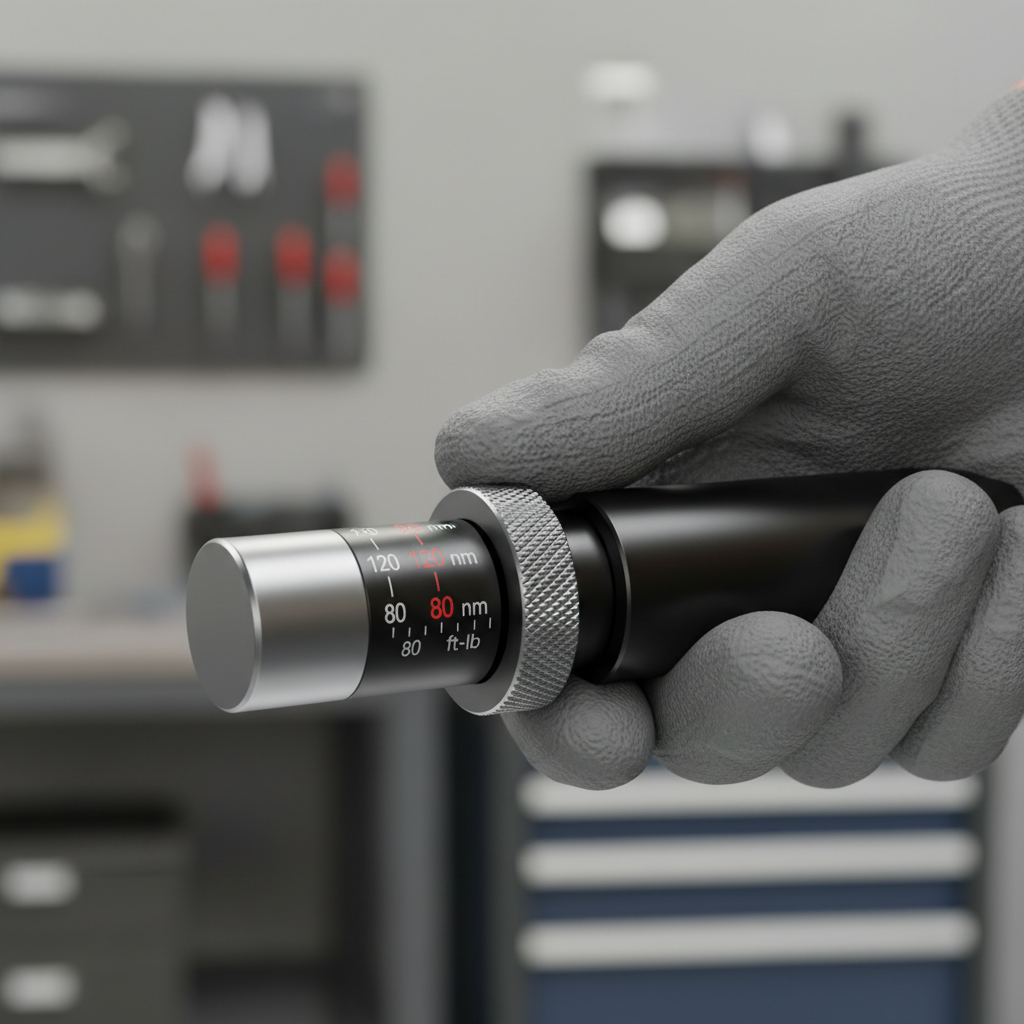
If you checked two or more boxes, don’t panic. Most of this is fixable with a tighter routine and a bit of restraint, especially on the “multiple clicks” habit.
A practical tightening routine that works (wheels, plugs, drain bolts)
Torque wrench automotive accuracy improves when you treat torque as a process, not a single moment at the end. This is a routine that tends to hold up across common maintenance tasks.
Step-by-step method
- Confirm the spec: use a service manual or a trusted OEM-spec source, and verify units. Mixing ft-lb and in-lb is a classic mistake.
- Prep the threads: clean debris, chase damaged threads if needed, replace questionable bolts. If the spec calls for dry threads, keep them dry.
- Hand start fasteners: thread in by hand several turns to avoid cross-threading.
- Snug evenly: use a ratchet to seat parts evenly, especially wheels and covers.
- Torque in stages: for wheels, go 50% then 100% in a star pattern; for covers, follow the recommended sequence if provided.
- One clean pull: pull smoothly until the click, then stop. No “bonus” clicks.
Specific tips by job
- Wheel lug nuts: torque with the wheel off the ground just enough to spin freely, then final torque with the tire touching lightly so it won’t rotate. Recheck after a short drive if the manufacturer suggests it.
- Spark plugs: use the correct socket, avoid over-torque in aluminum heads, and follow any notes about anti-seize. Many plug makers warn that anti-seize can change the torque relationship, so if you use it, be cautious and consult the plug manufacturer guidance.
- Oil drain plug: replace crush washer when applicable. If the pan threads feel “mushy,” stop and inspect—forcing torque can turn a simple oil change into thread repair.
What throws off torque readings (and what to do instead)
Torque specs assume a certain friction condition. In real garages, friction varies because of dirt, corrosion, lubricants, and tool setup.
- Lubricated vs dry threads: lubrication usually reduces friction, which can increase clamp load at the same torque value. If the spec is for dry threads, adding lube can over-clamp.
- Extensions and adapters: straight extensions typically have minimal effect, but crowfoot wrenches or offset adapters can change the lever length. If you must use a crowfoot, keep it at 90 degrees to the handle when possible to minimize effective length changes.
- Angle and body position: pulling at an angle or “jerking” the wrench can overshoot. Smooth, controlled pulls are boring—and correct.
- Using impact tools to ‘finish’: impact guns are great for removal and snugging, but final torque should be done with a torque wrench, especially on wheels and engine parts.
According to SAE International, proper fastener tightening practices and tool selection are critical for achieving intended clamp load in bolted joints. In practice, that’s why technique is part of the spec.
Care, storage, and calibration: keeping a torque wrench honest
Many accuracy complaints come from storage and handling, not manufacturing. A torque wrench isn’t fragile, but it does have limits.
- Back off click-type wrenches after use: store at the manufacturer’s recommended minimum setting, not at your last torque value.
- Avoid drops: even a short fall can knock things out of tolerance. If it lands hard, treat accuracy as questionable.
- Don’t use it as a breaker bar: breaking bolts loose stresses the mechanism in ways it wasn’t built for.
- Calibration cadence: many shops calibrate on a schedule; for DIY, calibration “as needed” is common, but if you do frequent work or safety-critical fasteners, consider periodic checks.
According to ASME (American Society of Mechanical Engineers), torque tools used for controlled tightening should be verified and maintained to meet accuracy requirements. If your wrench can’t be verified, you’re guessing more than you think.
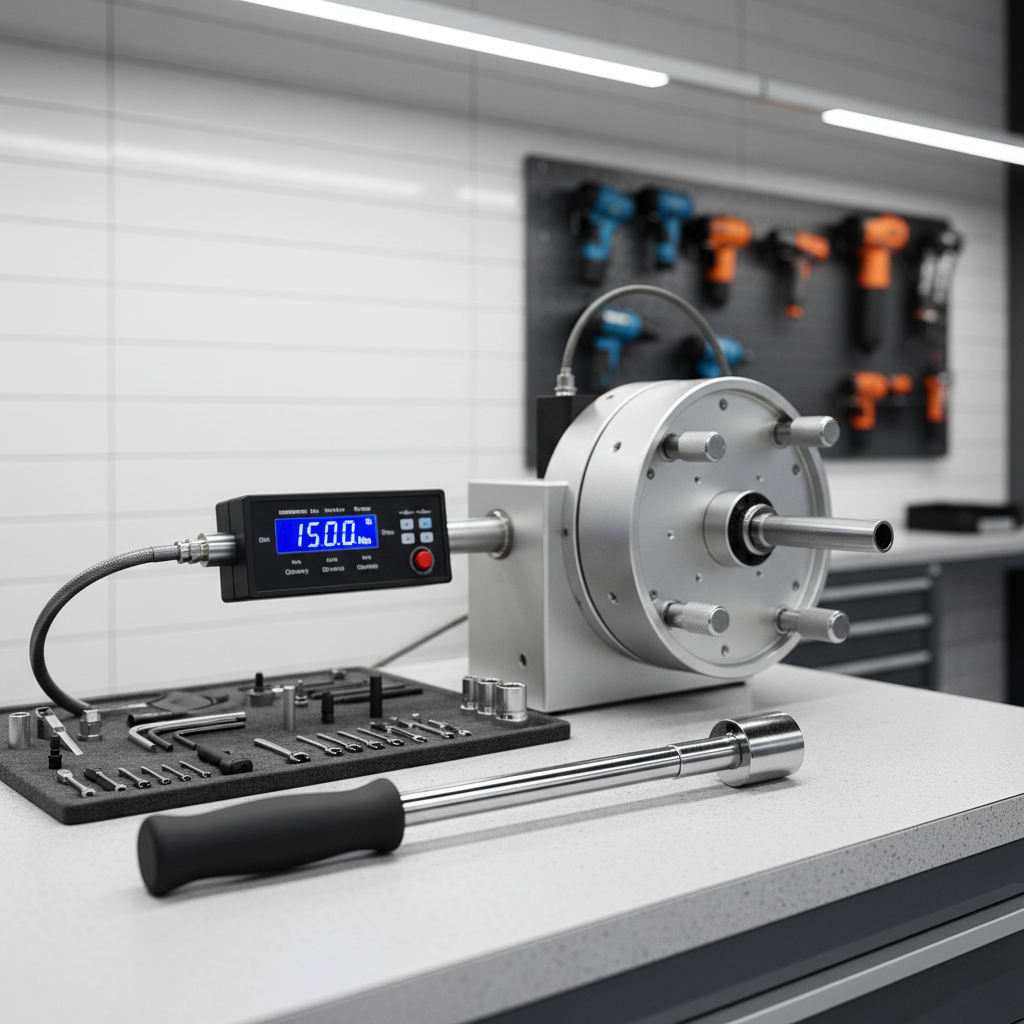
If your work involves wheels, brakes, or steering components and you’re unsure about tool accuracy, it’s reasonable to have the wrench checked or use a shop for final torque. Safety-critical parts deserve that extra caution.
Key takeaways (so you can act without overthinking)
- Match the wrench range to the job, and avoid living at the very bottom or top of the scale.
- Use one smooth pull to the click, then stop—multiple clicks are a quiet way to over-torque.
- Keep thread conditions consistent: dry vs lubricated changes outcomes, even with the same torque value.
- Store and handle it like a measuring tool, not a hammer, breaker bar, or “close enough” device.
Conclusion: accurate tightening is a habit, not a flex
Torque wrench automotive accuracy comes down to choosing a tool that fits your common torque ranges, then using a repeatable routine—hand-start, seat evenly, torque in stages, one clean pull. If you do that, you’ll spend less time fixing stripped threads and chasing leaks, and more time actually finishing the job.
If you want one next step, pick one task you do often (usually wheels) and standardize your process around it. The payoff is immediate, and it builds confidence for everything else.
FAQ
What size torque wrench is best for most car work?
A 3/8-inch drive covers a lot of typical fasteners, but many people also need a 1/2-inch drive for lug nuts. If you only buy one, think about your most frequent job and buy for that range.
Can I use a torque wrench to loosen bolts?
It’s usually a bad idea for click-type models because it can stress the mechanism and affect accuracy. Use a breaker bar for removal, then torque wrench for final tightening.
Do I need to recalibrate my torque wrench every year?
It depends on how often you use it, how it’s stored, and whether it has been dropped. For occasional DIY use, many people calibrate less often, but if you torque wheels and brakes regularly, periodic verification is a smart safety move.
Is it okay to torque lug nuts with the tire in the air?
You can snug them while the wheel is off the ground, but final torque is often more consistent when the tire has light contact so it doesn’t rotate. Follow the vehicle manual guidance if it specifies a method.
Why does my torque wrench click immediately sometimes?
Common causes include the wrench still set near a low value, a locked adjustment collar not fully released, or you’re already past the target torque because the fastener was tightened earlier. Reset the value and confirm units before trying again.
Does using anti-seize change torque specs?
It can. Anti-seize alters friction, which can change clamp load at the same torque. Many manufacturers recommend following their specific guidance rather than assuming the same spec applies.
Click-type vs digital torque wrench: which is more accurate?
Either can be accurate when calibrated and used correctly. Digital models add features that help consistency, but they still require good technique and occasional verification.
What if I can’t find a torque spec for a fastener?
That’s a sign to slow down. Try to locate an OEM service manual spec, or consult a qualified mechanic. Guessing on safety-related fasteners can create real risk.
If you’re trying to tighten things accurately but keep second-guessing your tool range, units, or calibration, it may help to share your vehicle, the jobs you do most, and the torque specs you commonly hit—then you can narrow down whether one wrench is enough or a two-wrench setup will feel a lot less stressful.