
Magnetic screwdriver bits set choices look similar online, but the wrong one shows up fast: stripped screws, bits that wobble, and hardware that keeps falling off the tip when you work overhead.
If you just want driving to feel easier, magnetism is only part of the story. Fit, steel quality, and the right bit types for your screws matter as much as “strong magnet” marketing.
This guide breaks down what actually makes a set easy to use, how to match it to common U.S. fasteners, and a few practical habits that help your bits last longer.
What “magnetic” really means in a bit set
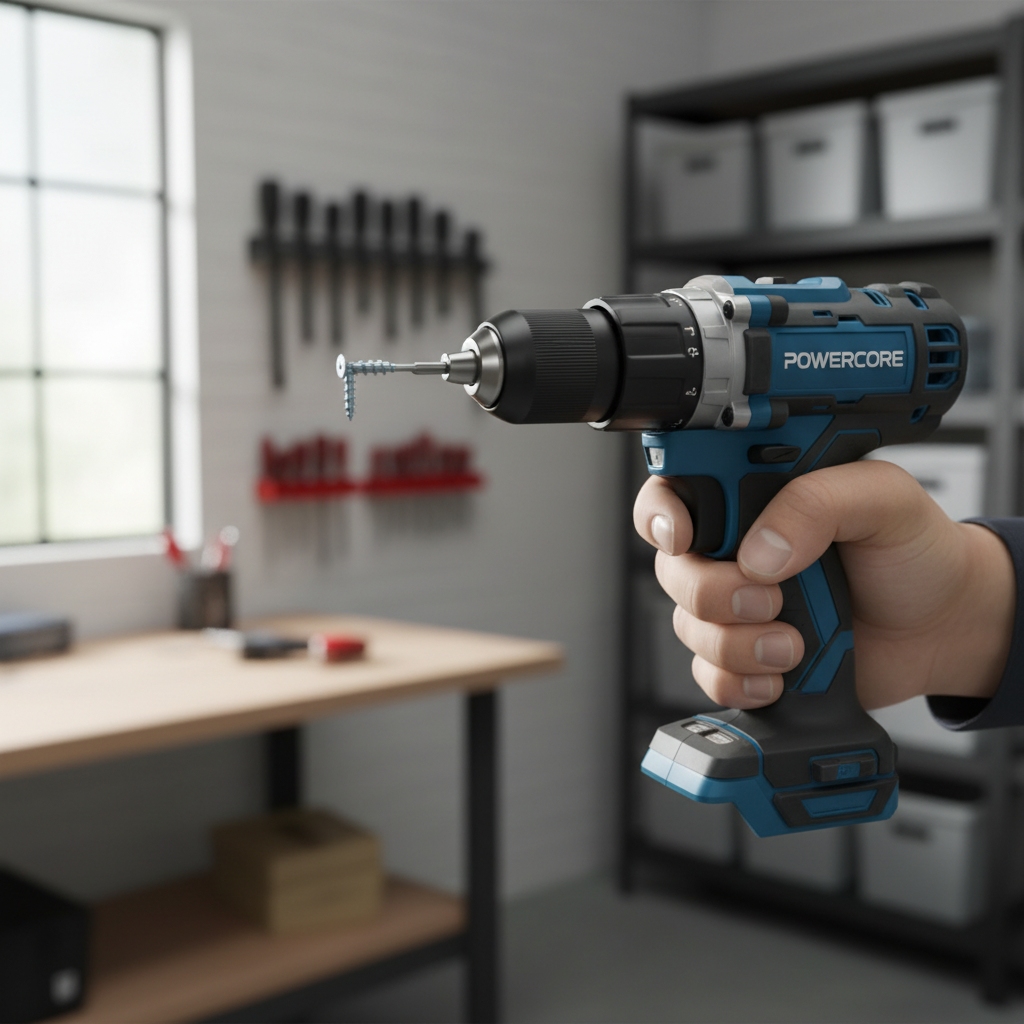
Most sets become “magnetic” in one of two ways: the bit itself is magnetized, or you use a magnetic bit holder/sleeve that magnetizes the tip area. Both can work, but they behave differently in real jobs.
- Magnetized bits: convenient and simple, but magnetism can fade over time and varies by steel and heat treatment.
- Magnetic bit holders: often give stronger, more consistent hold, and they let you swap any 1/4-inch hex bit quickly.
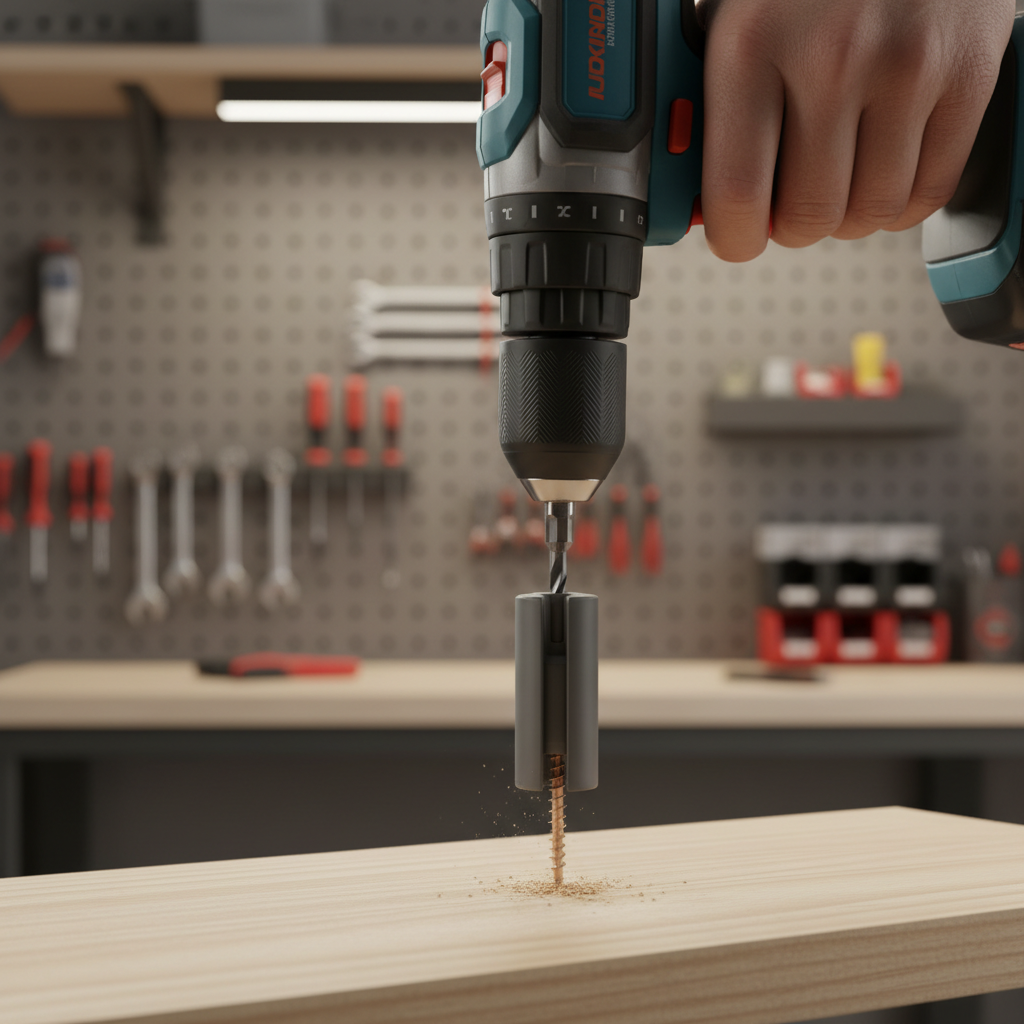
- Magnetic sleeves/collars: some also act as a screw guide, helping keep longer screws straight when starting.
One important expectation check: magnetism helps with “stick and start,” but it does not prevent cam-out by itself. Cam-out happens when the bit doesn’t fully seat, the wrong bit size is used, or too much torque hits the fastener too fast.
Why people struggle with “easy use” (and how to avoid it)
When a magnetic set feels frustrating, it’s usually a fit or setup issue, not user skill. A few patterns show up a lot in DIY and light trade work.
Common friction points
- Wrong bit size by a hair: Phillips #1 vs #2, or Torx T20 vs T25, looks close until you strip a head.
- Cheap steel or soft tips: the tip rounds, then you start leaning harder, then the screw head loses.
- Too much torque too soon: impact drivers can blow past “seated” and cam-out before you feel it.
- Wobble in the holder: poor tolerance makes it harder to keep the bit centered.
- Screw type mismatch: drywall screws, deck screws, and cabinet screws often prefer different drives.
According to OSHA, power tools require the right accessories and proper use to reduce risk of slips and injuries. That shows up here too: a slipping bit is a safety problem as much as an annoyance.
Quick self-check: what kind of set do you actually need?
Before you buy another kit, use this quick checklist. You’ll usually land in one of three buckets: home DIY, vehicle/gear, or jobsite use.
- You mainly assemble furniture, hang shelves, or do small repairs: prioritize common Phillips, Torx, square (Robertson), and a magnetic holder.
- You work on electronics or small machines: look for precision bits, but note many precision sets are not 1/4-inch hex.
- You drive lots of screws (decking, framing, drywall): prioritize impact-rated bits and duplicate sizes you burn through.
- You often work overhead or in tight spots: stronger magnetism and a sleeve-style guide usually feel “easier” than a loose bit.
A simple decision table
| Use case | Best drive types to have | Features that matter most | Nice-to-have |
|---|---|---|---|
| General home DIY | Phillips #1/#2, Torx T20/T25, Square #2, Hex 1/4"–3/8" | Magnetic holder, clear labeling, snug fit | Short + long bits, compact case |
| Decking / exterior screws | Torx (common), Square #2 | Impact-rated, duplicates, corrosion-resistant case hardware | Screw guide sleeve |
| Cabinets / finish work | Torx, Phillips, Square | Precision tips, low wobble, controlled torque | Non-marring sleeve |
| Automotive / mixed hardware | Torx, Hex, Phillips, security bits | Wide variety, durable steel, organized storage | Long reach bits |
What to look for in a magnetic screwdriver bits set
Marketing tends to shout “strong magnet,” but usability is usually built on boring details: geometry, hardness, and how the set is organized.
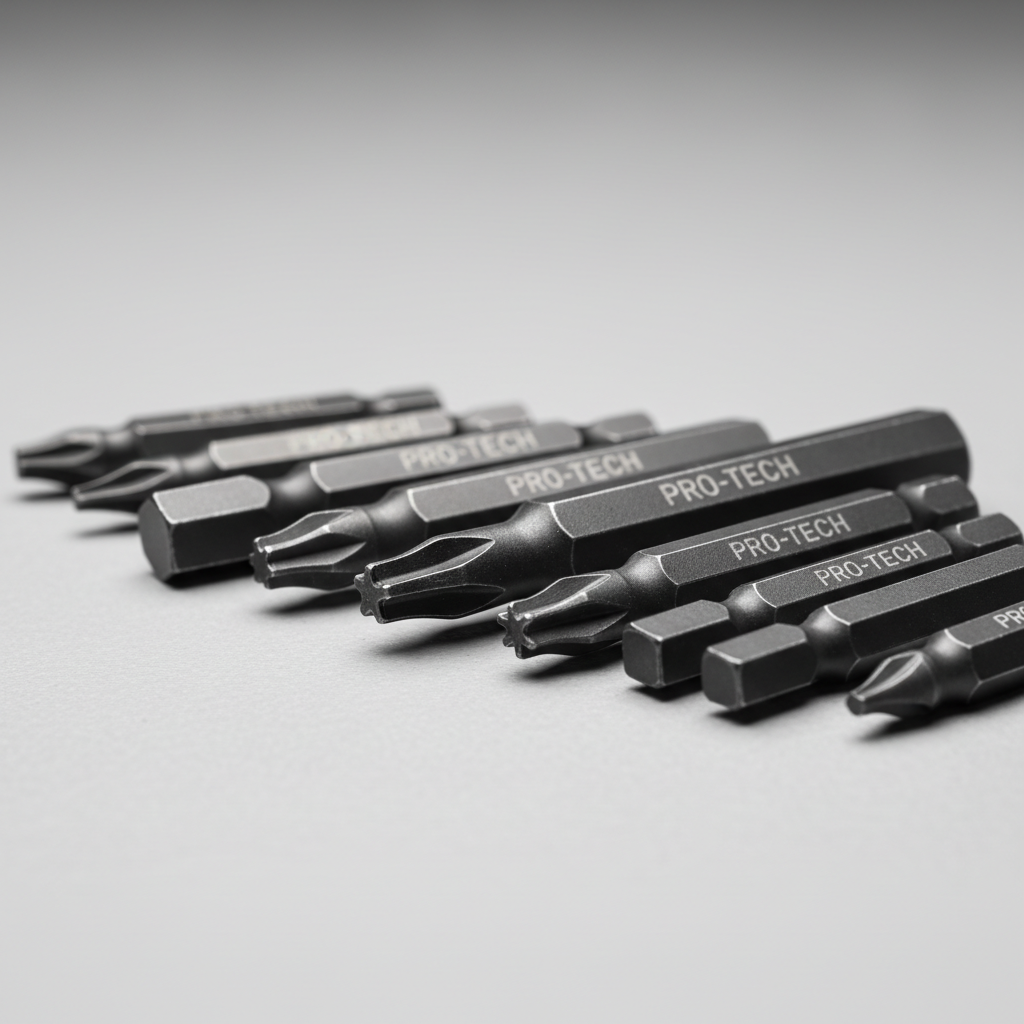
- Bit fit and tip geometry: look for bits that seat fully with minimal wiggle. If you can rock the bit in the screw head, it’s a red flag.
- Steel and heat treatment: many good sets use S2 steel or similar tool steel; what matters is consistent hardness so tips don’t mushroom or chip.
- Impact rating (if you use an impact driver): impact-rated bits are designed to handle torsional shock. If you only use a hand driver, it’s less critical.
- Magnetic holder quality: a solid holder often does more for “easy use” than magnetized bits alone.
- Duplicates of common sizes: having three Phillips #2 or Torx T25 bits beats owning one of every oddball size you never touch.
- Labeling and case design: if you can’t find the right bit fast, the set isn’t saving time.
Key point: if your main pain is dropped screws, focus on the holder/sleeve system. If your main pain is stripped heads, focus on correct drive type and tip quality.
How to use magnetic bits so screws stop falling (practical steps)
A magnetic screwdriver bits set works best when you treat “starting the screw” as its own step, not something you rush through with full trigger pull.
Step-by-step for cleaner starts
- Match the drive type first: if your screws are Torx, don’t force a Phillips just because it’s handy.
- Choose the tightest size: for Phillips, that often means #2 for many wood screws in the U.S., but always test the seat.
- Press in, then wiggle slightly: you’re feeling for full engagement, not just contact.
- Start slow: one to two turns at low speed keeps the bit centered and reduces cam-out.
- Go faster only after the screw tracks: once the threads bite, speed becomes less risky.
When a magnetic sleeve helps more than extra magnet strength
If you’re driving longer screws into studs, starting at an angle, or working overhead, a sleeve-style guide can keep the screw aligned so you don’t fight gravity and wobble at the same time.
Mistakes that make bits wear out fast (and what to do instead)
Bits are consumables, but many sets die early because of avoidable habits. The tricky part is that the failure starts small, then suddenly everything strips.
- Using one bit for everything: a worn Phillips #2 will “sort of work” until it ruins a batch of screws. Retire it earlier than you think.
- Running impacts at full blast for finish work: use lower settings, or switch to a drill/driver for better control.
- Letting the bit skate before it seats: that tiny slip rounds the screw head edges, then the next slip gets worse.
- Ignoring rust and debris: metal filings can cling to magnetized parts and affect fit. Wipe bits and holders occasionally.
- Mixing metric/SAE hex without checking: close sizes can round internal hex screws quickly.
Also worth saying: strong magnets can attract small sharp debris. If you work around grinding dust or metal shavings, eye protection is a smart baseline. According to NIOSH, eye and face protection helps reduce injury risk from flying particles and debris in work environments.
Buying tips: what a “good set” looks like for most U.S. users
If you’re shopping in the U.S., most people get the most value from a mid-size set with high-usage bits, not a giant kit full of rarely used profiles.
- Minimum practical core: Phillips #1/#2, Torx T15/T20/T25, Square #2, Hex bits that match your common hardware.
- One solid magnetic bit holder: ideally with minimal wobble and a quick-release collar that doesn’t pinch.
- Short and long options: short bits fit tight spaces, long bits help reach past obstructions.
- A case you’ll actually keep organized: if bits fall out, they disappear, and your “set” becomes random singles.
Quick key takeaway: buy for the screws you already use, then add specialty bits only when a job demands them.
When to get help or upgrade tools
If you keep stripping fasteners even with the correct bit type and size, something else might be going on: damaged screws, wrong pilot holes for wood, or a driver with too much torque for the job.
- For frequent stripping in wood: consider pilot holes, different screw brands, or switching to Torx/square drives.
- For frequent cam-out on a ladder/overhead work: consider a sleeve guide, a different bit holder, or a lower-speed driver.
- For safety concerns or larger projects: it may be worth asking a qualified contractor or tool professional, especially if you’re working around electrical boxes or critical structural connections.
According to CPSC, using tools as intended and maintaining them helps reduce consumer product-related injury risk. If something feels unstable or you’re forcing it, that’s usually the moment to pause and rethink the setup.
Conclusion: make “easy use” repeatable, not lucky
A magnetic screwdriver bits set should make starts cleaner, reduce dropped screws, and keep your workflow smooth, but only if the bit fits the fastener and the holder stays tight.
If you want one simple next step, check the screws you use most, then choose a set with duplicates in those sizes plus a quality magnetic holder. After that, practice starting slow for the first couple turns, it solves more headaches than people expect.
FAQ
- Do magnetic bits work with an impact driver?
Usually yes, but impact use favors impact-rated bits and a robust holder. If tips chip or twist, switch to impact-rated pieces rather than assuming the magnet is the issue. - Why does my screw still fall off even with a magnetic bit?
Magnet strength varies, and some screws have coatings or shapes that reduce contact. A magnetic holder or guide sleeve often improves retention more than a different bit alone. - Which is better: Phillips or Torx for wood screws?
Many people find Torx resists cam-out better in wood, especially with power drivers. Phillips can still work fine for light tasks, but it’s easier to strip when torque climbs. - Can magnetized bits damage electronics or credit cards?
Small tool magnets are typically modest, but sensitive items can be affected in some situations. If you work around sensitive electronics, it’s reasonable to keep magnetized tools a bit away and follow manufacturer guidance. - How do I remagnetize a screwdriver bit?
Some tools and holders can re-magnetize bits, and some bit holders provide magnetism without changing the bit. If magnetism fades, replacing or upgrading the holder is often the simplest fix. - What sizes should be in a basic magnetic screwdriver bits set?
For many U.S. households: Phillips #1/#2, Torx T15/T20/T25, Square #2, and a few common hex sizes. The “right” list shifts if you do decking, cabinets, or automotive work. - Why do bits rust in the case?
Humidity and jobsite moisture can do it, especially if the case traps damp air. Wiping bits dry and storing them indoors usually helps.
If you’re trying to cut down on stripped screws and lost time, a more “useful” setup is often a smaller set with better-fit tips, duplicates of your go-to sizes, and a magnetic holder you trust, rather than the biggest kit on the shelf.