
Cultivator hand tool 3 tine models are the go-to fix when your beds feel packed, weeds keep returning, and you want control without dragging out a full-size hoe or tiller.
If you have raised beds, tight rows, or established plants you don’t want to disturb, a three-tine hand cultivator hits a sweet spot: it breaks crusted soil, teases out small weeds, and mixes in compost with surprisingly little effort.
But not all “3 tine” tools behave the same, and a lot of frustration comes from mismatch, using the wrong motion, or expecting it to do the job of a heavier tool. This guide helps you choose the right style, use it efficiently, and avoid common mistakes that chew up roots or tire out your wrist.
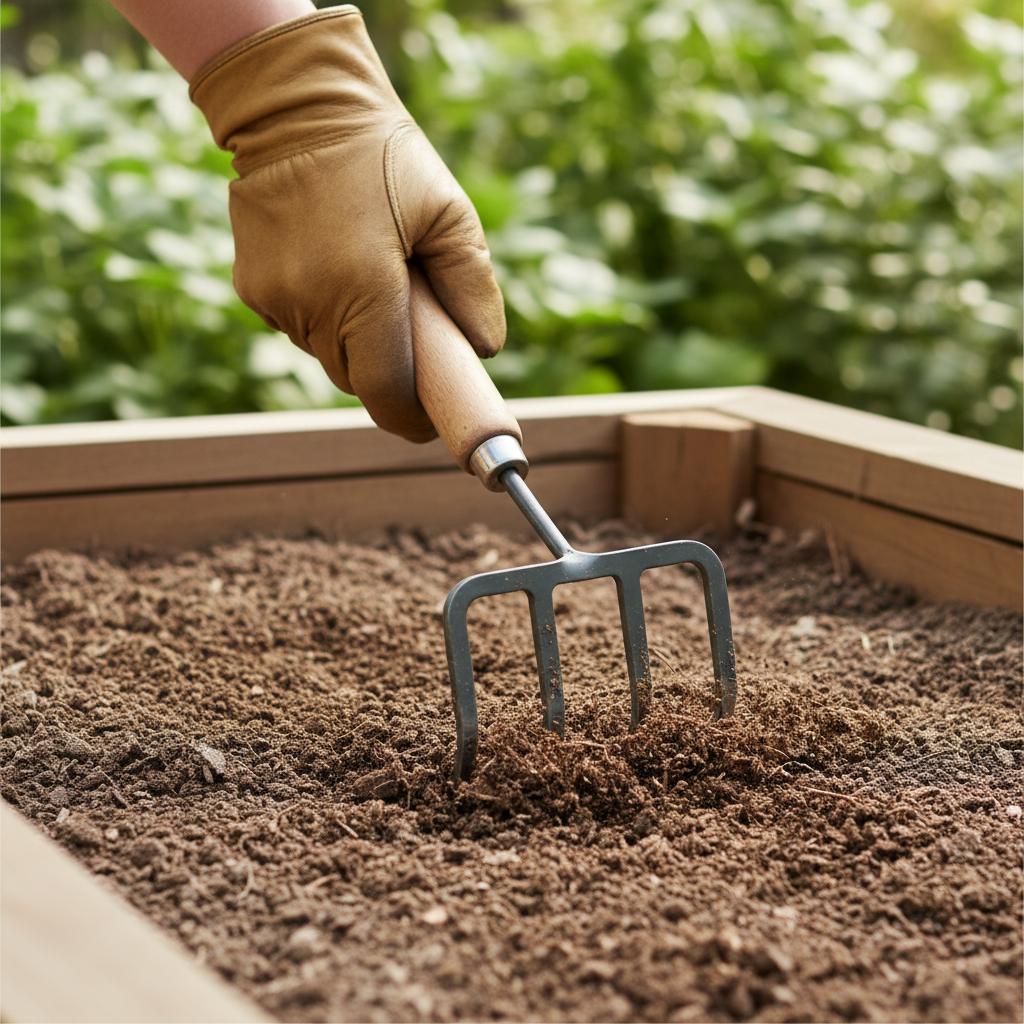
Why a 3-tine hand cultivator works (and where it doesn’t)
A three-tine head gives you multiple contact points without turning into a wide rake, which matters when you’re working between plants. The tines can slip into soil, lift and crack the surface, then drag tiny weed roots up where they dry out.
Where it shines most often:
- Top 1–3 inches of soil for aeration and moisture infiltration
- Seedling and transplant zones where you need precision
- Raised beds and containers with tighter spacing
- Mixing in amendments like compost, worm castings, or granular fertilizer
Where a cultivator hand tool 3 tine tends to disappoint:
- Hardpan or heavy clay that needs a fork, mattock, or broadfork
- Large, mature weeds with deep taproots (dandelion-type weeds usually need a weeder)
- Big new-bed prep where a long-handled tool is simply faster
According to USDA Natural Resources Conservation Service, maintaining soil structure and limiting unnecessary disturbance helps soil health over time, so “lighter-touch” cultivation is often a better habit than aggressive digging for routine bed care.
Quick self-check: are you using the right tool for your soil?
Before you buy another gadget, check what you’re actually fighting. These quick cues usually tell you whether a 3-tine hand tool is the right call today.
Soil and weed checklist
- If the surface forms a crust after watering, a 3-tine cultivator usually helps.
- If your soil clumps into sticky bricks, you may need a digging fork first, then use the hand cultivator for maintenance.
- If weeds snap off and regrow from the base, you’re likely dealing with established roots; cultivation alone may not finish them.
- If you’re working around drip lines and close plant crowns, narrow tines reduce accidental damage.
Body comfort check (don’t ignore this)
- Wrist soreness after 5–10 minutes can mean the handle shape or tool angle isn’t a fit.
- If you’re hunching, consider a longer handle option or change your stance and work in short passes.
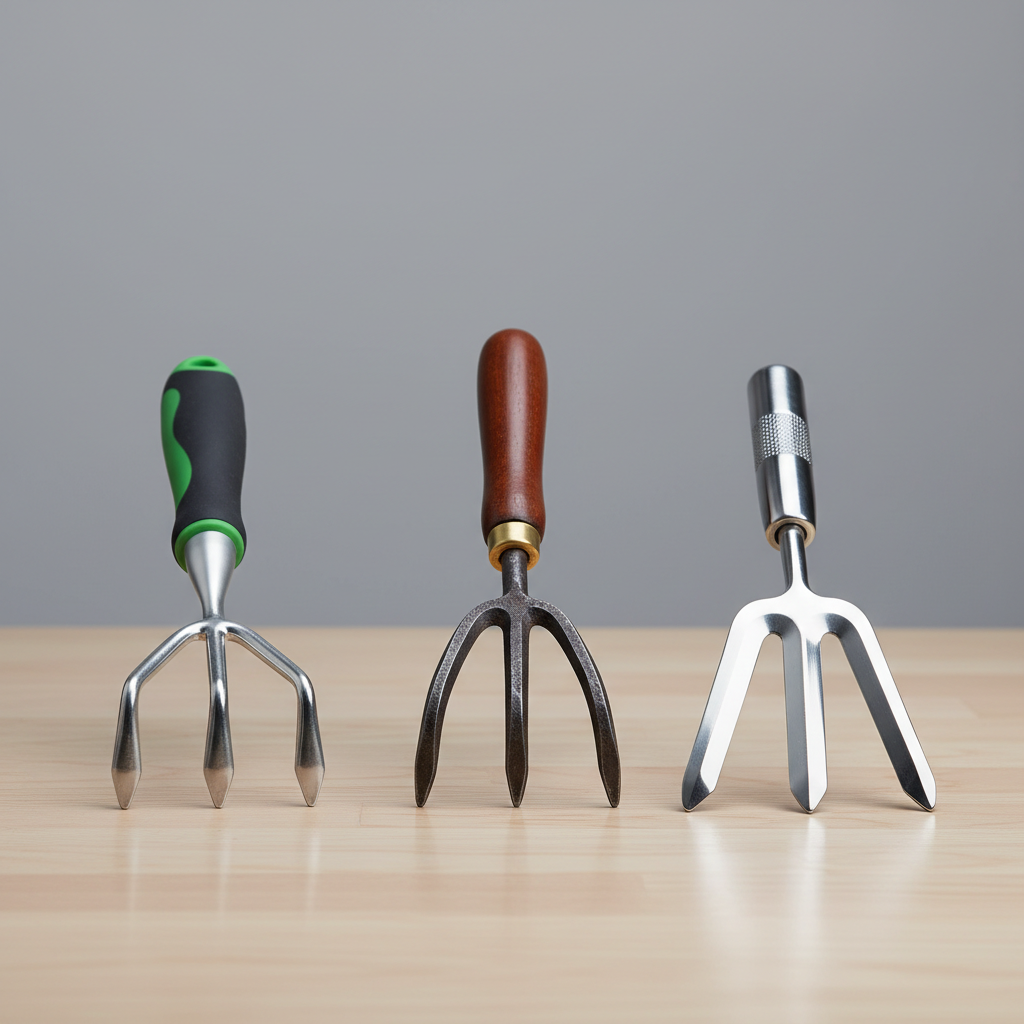
What to look for when buying a cultivator hand tool 3 tine
Specs don’t tell the whole story, but a few details predict whether the tool feels “right” in your hand and survives a couple seasons.
- Tine material: Stainless resists rust, carbon steel often bites harder but needs more drying and care.
- Tine shape: Slightly curved or pointed tips penetrate better; very blunt tips tend to skate on dry soil.
- Tine spacing: Narrow spacing works for tight beds; wider spacing moves more soil but can snag stems.
- Neck strength: Look for a stout neck where the head meets the handle; thin welds often fail under twist.
- Handle comfort: Ergonomic grip matters more than people expect, especially if you do repetitive weeding.
Key point: If you mostly maintain raised beds, pick comfort and control over “maximum bite.” If you’re frequently breaking crusted ground, prioritize a stronger head and sharper tines.
How to use a 3-tine hand cultivator (technique that actually saves time)
The most common mistake is trying to dig deep. A cultivator hand tool 3 tine usually works best with shallow, repeated passes that lift and crack the surface layer, then pull tiny roots up.
Basic method for bed maintenance
- Work when soil is slightly moist, not soggy and not bone-dry. This is where the tines “bite” without clumping.
- Angle the tines about 30–45 degrees and pull toward you in short strokes.
- Use a two-pass rhythm: first pass loosens, second pass gathers weeds into a small line for pickup.
- Stop at roots: if you feel resistance like a rope, it’s likely a plant root or a thick weed crown, switch to a weeder instead of yanking.
Mixing compost or granular fertilizer
- Spread your amendment evenly on the surface.
- Use light crisscross strokes to incorporate it into the top layer.
- Finish with a gentle smoothing pass so watering stays even.
According to University of Minnesota Extension, keeping amendments near the root zone and avoiding excessive disturbance helps plants use nutrients more efficiently, especially in intensively planted gardens.
Practical “when to use what” table
If you’re standing in the shed deciding what to grab, this quick comparison usually keeps you from doing extra work.
| Task | 3-tine hand cultivator | Better alternative |
|---|---|---|
| Loosen crusted topsoil | Yes, fast and controlled | Stirrup hoe for bigger areas |
| Weed seedlings (thread stage) | Yes, especially after watering | Collinear hoe for row crops |
| Remove dandelion-style taproots | Sometimes, but often incomplete | Dandelion weeder or hori-hori |
| Break compacted clay | Limited, can be frustrating | Digging fork, broadfork |
| Mix compost into top layer | Yes, clean and even | Hand rake for very fluffy soil |
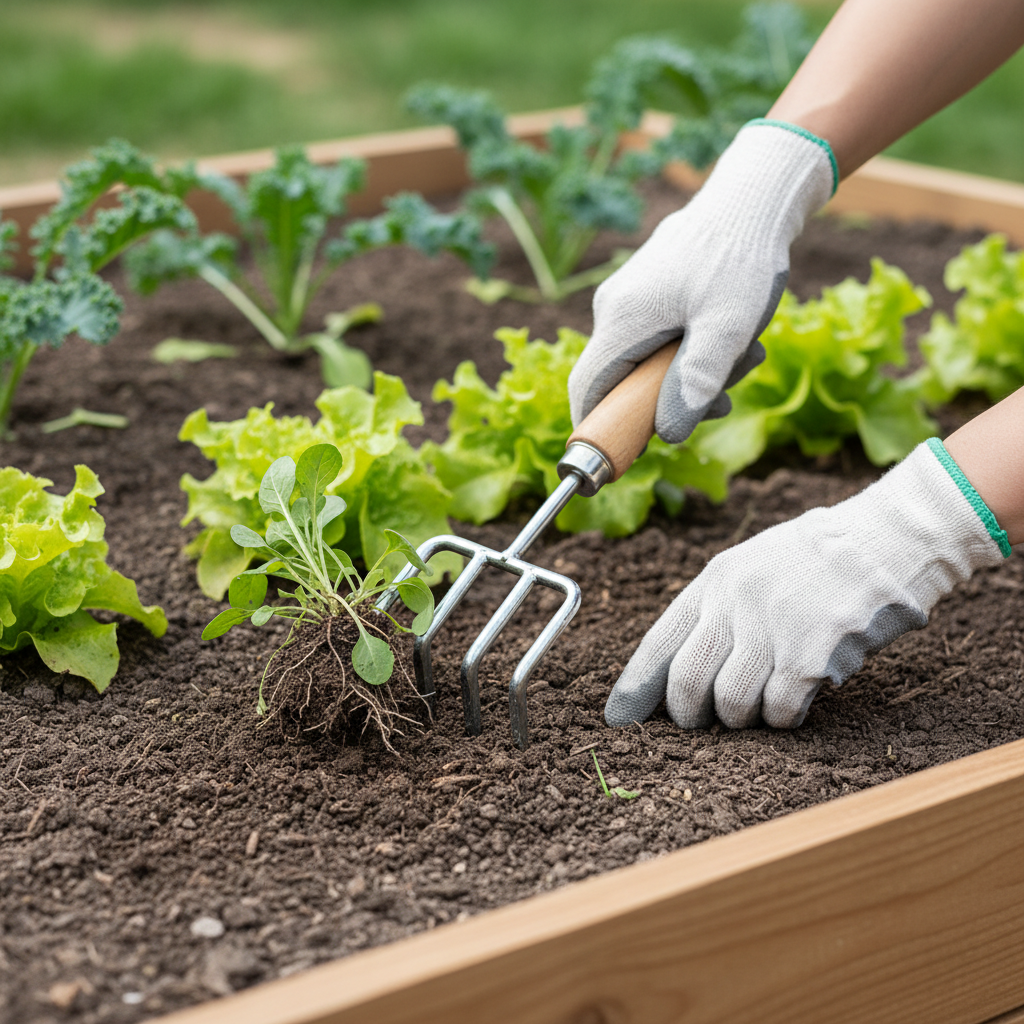
Mistakes that make cultivation harder than it needs to be
A three-tine tool can feel “weak” when the real issue is timing or technique. These are the traps that waste effort.
- Working soil when it’s too wet: it smears and compacts; you’ll also pull up bigger clods that re-harden.
- Waiting until weeds are mature: cultivation is best at the tiny stage; big weeds need targeted removal.
- Digging deep around plants: you can nick feeder roots, which may slow growth for a while.
- Twisting aggressively: that’s how necks bend and wrists get sore; use pull strokes, not wrenching.
- Skipping cleanup: leaving uprooted weeds on moist soil can re-root in some conditions.
For safety and comfort, consider gloves and take breaks if you feel strain. If you have ongoing wrist or elbow pain, it’s smart to adjust tools and posture, and if symptoms persist, consider asking a healthcare professional.
Care, sharpening, and storage (small habits that extend tool life)
Most hand cultivators die from neglect, not from “too much gardening.” A few minutes after each session keeps the tines biting cleanly.
- Rinse and dry after use, especially with carbon steel heads.
- Knock off soil before it dries like cement around the tines.
- Light sharpening with a file on the outside edge of each tine can restore penetration, you’re not making a knife, just cleaning the profile.
- Oil the metal occasionally if you store tools in a humid shed.
- Hang it up so the tines don’t sit in damp soil or scrape on concrete.
Wrap-up: the simplest way to get results fast
When you match the cultivator hand tool 3 tine to shallow cultivation jobs, it’s one of those tools you reach for constantly because it keeps beds tidy without drama. Use it when soil is slightly moist, make short pull strokes, and switch tools when weeds mature or soil compacts hard.
If you want one practical next step, walk your beds after watering and do a quick 5-minute pass while weeds are still small, then pick up what you loosened so it doesn’t re-root.
FAQ
What is a cultivator hand tool 3 tine used for?
It’s typically used for loosening the top layer of soil, improving airflow and water penetration, and removing small weeds in tight spaces like raised beds and around established plants.
Can a 3-tine hand cultivator remove deep-root weeds?
Sometimes it can loosen around the crown, but deep taproots often break and regrow. In many gardens, a dedicated weeder or a soil knife works better for those weeds.
Is a 3-tine cultivator good for clay soil?
It can help with surface crust, but heavy clay that’s compacted usually needs a stronger tool first. Once the soil structure improves, the hand cultivator becomes more effective for maintenance.
How do I stop hurting my wrist when I cultivate?
Use shorter pull strokes, keep the tool angle shallow, and avoid twisting. If your handle is too thin or too hard, switching to a more ergonomic grip often makes a noticeable difference.
Should I cultivate before or after watering?
Many people get better results after watering or a light rain, when soil is damp but not sticky. If it clumps heavily, it’s usually too wet and worth waiting.
How often should I use a 3-tine hand cultivator in raised beds?
For actively growing beds, a light pass every week or two is common, but it depends on weed pressure and how quickly the surface crusts in your climate and soil mix.
Does cultivating harm plant roots?
It can if you dig too deep near the stem. Keeping cultivation shallow and a few inches away from plant crowns reduces risk, and for sensitive plants it’s often safer to hand-pull close-in weeds.
If you’re trying to choose a three-tine hand cultivator that fits your beds and your hands, it helps to share your soil type, bed size, and what weeds you see most, those details usually decide whether you need sharper tines, a narrower head, or a comfort-first handle.