
Best string trimmer for tall grass shopping gets confusing fast because “more power” isn’t the only thing that matters, line feed and head design can make a strong trimmer feel weak once you hit thick, wet growth.
If you want a cleaner yard without fighting constant bogging, snapped line, or a trimmer that turns into a vibrating nuisance after 10 minutes, you’re in the right place. Tall grass punishes the wrong setup, especially around fences, ditches, and uneven ground.

This guide focuses on what actually changes results in tall grass: torque, cutting path, line diameter support, and how the guard and head handle heavy vegetation. You’ll also get a quick decision checklist, a comparison table, and practical trimming steps that reduce rework.
What makes tall grass hard to trim (and why many trimmers struggle)
Tall grass isn’t just “long,” it’s usually dense, mixed with weeds, and sometimes wet. That combination loads the head, forces the motor to pull harder, and exposes weak spots in the drive system.
- Drag and wrap: long stems wrap the head, slowing rotation and eating line.
- Stalling under load: limited torque, especially on underpowered cordless units, leads to constant slowdowns.
- Line melts or breaks: too-thin line overheats when you push hard, then snaps at the eyelets.
- Cutting swath too narrow: small cutting width means more passes, which matters when growth is waist-high.
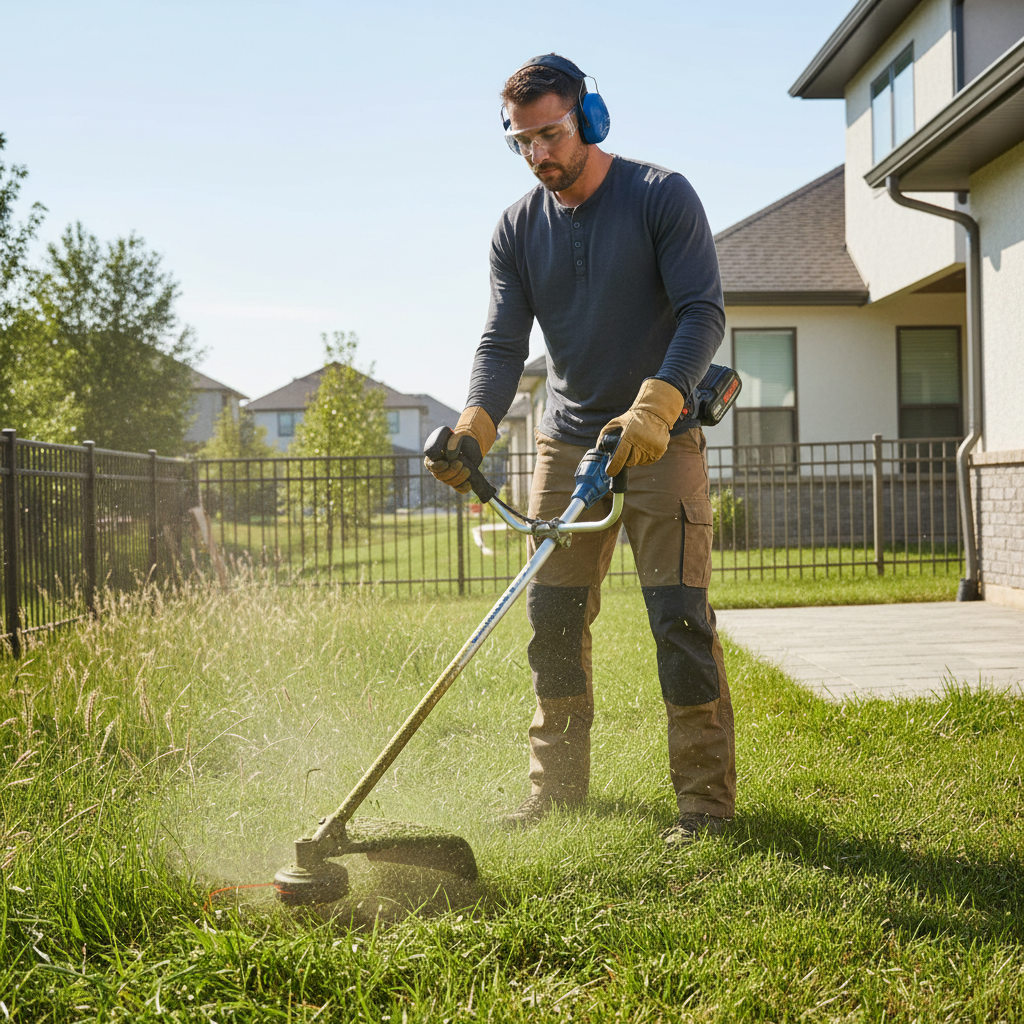
According to OSHA, powered lawn equipment can throw debris at high velocity, so tall grass work calls for extra eye/face protection and careful clearing of hidden objects before trimming.
Quick self-check: do you really need a “tall grass” setup?
Before you buy anything, match the tool to your yard reality. If two of the items below are true, you’ll usually feel a big difference moving to a stronger configuration.
- You regularly cut grass that’s 12 inches+, or you skip mowing for weeks at a time.
- The area includes ditches, fence lines, or rough edges where a mower can’t reach.
- You hit thick weeds (crabgrass, foxtails, mixed stems), not just soft lawn grass.
- Your current trimmer bogs down unless you “feather” the trigger constantly.
- You break line every few minutes, or the head clogs with wrapped stems.
If your yard is mostly weekly maintenance, you can prioritize weight and convenience. But for overgrowth, the best string trimmer for tall grass is the one that stays at speed under load, not the one with the fanciest headline spec.
Key features to prioritize when buying in 2026
Here’s what tends to matter most in real trimming, with a plain-English “why” for each.
Power type: gas vs battery vs corded
- Battery: quiet and low maintenance, great if you already own a battery platform. Look for higher-voltage systems and a motor that doesn’t surge when grass thickens.
- Gas: strong sustained cutting in heavy growth, but heavier, louder, and needs fuel mix or routine engine care depending on model.
- Corded electric: reliable power, but cords become a real headache in tall grass where visibility is poor.
Cutting swath and guard design
A wider cutting path clears more per pass, but only helps if the motor can keep speed. For tall grass, guards that shed clippings (instead of packing them) can reduce clogging.
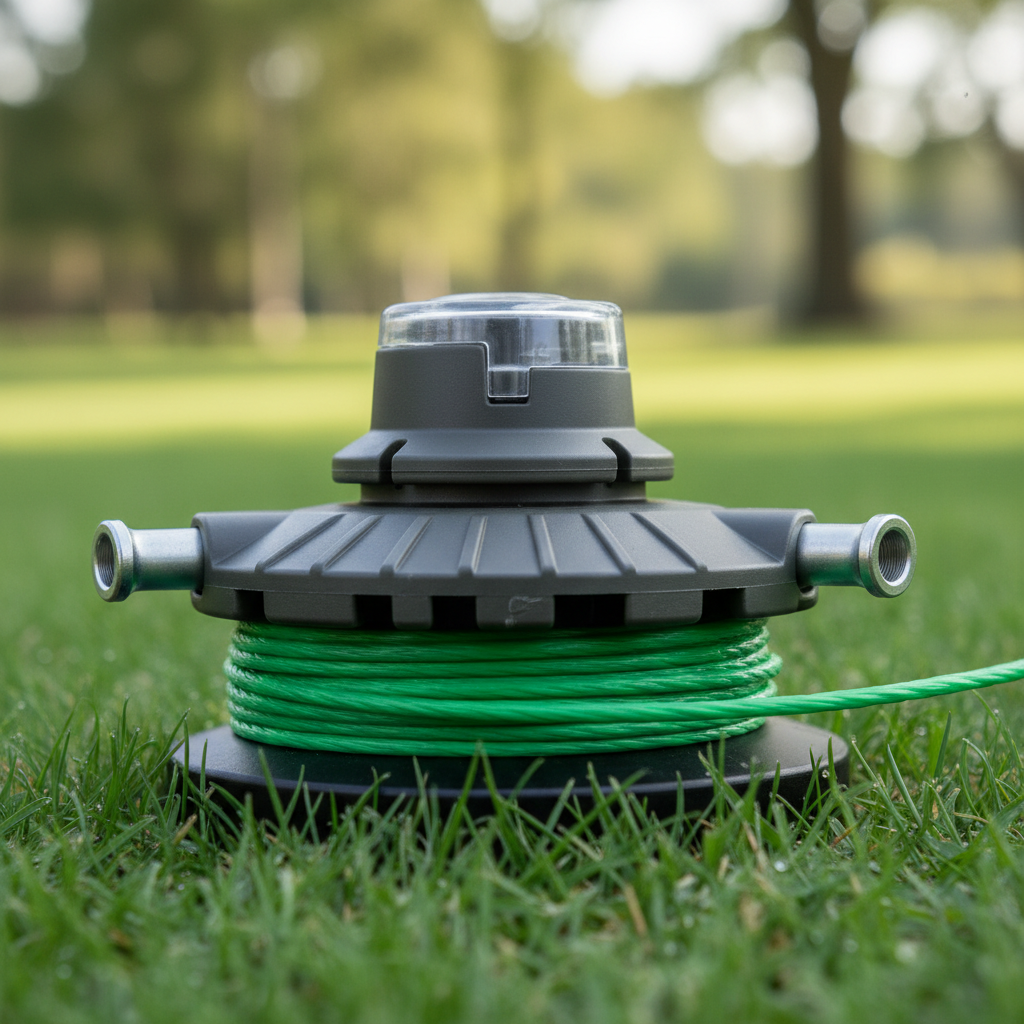
Line diameter support and feed system
Many tall-grass headaches are really “line system” problems.
- Line diameter: thicker line often holds up better in weeds, but the head must support it.
- Bump feed: simple and common, works well if the head is sturdy.
- Auto feed: convenient, but can waste line if it advances too aggressively.
- Quick-load heads: not glamorous, but they change the experience when you re-spool often.
Shaft style and ergonomics
For tall grass, you’ll spend more time controlling the tool than you expect. A straight shaft often reaches under brush and around obstacles more easily, while a good shoulder strap can matter more than an extra spec on the box.
Comparison table: what to choose for your yard
Instead of naming “one winner,” use this to narrow your best-fit category. In tall grass, the wrong category wastes time no matter the brand.
| Yard situation | Recommended power type | What to look for | Tradeoffs |
|---|---|---|---|
| Weekly edging + occasional 10–12" growth | Battery | High-output battery system, solid bump feed, comfortable handle | May need extra batteries for long sessions |
| Regularly overgrown areas, thick weeds | Gas or high-power battery | Strong torque under load, supports thicker line, easy re-spool head | More weight; gas adds maintenance |
| Large property edges, ditch lines, rough terrain | Gas | Durable drive system, straight shaft, harness compatibility | Noise and fumes; storage/fuel considerations |
| Small yard near outlet, you hate charging | Corded electric | Decent cutting width, manageable cord routing | Cord management is frustrating in tall growth |
Practical trimming method for tall grass (less bogging, cleaner cut)
The best string trimmer for tall grass still needs the right technique. Most people try to cut everything at ground level in one pass, that’s when stalling and wrapping show up.
- Step-cut: take the top half first, then come back lower. It feels slower, but it usually finishes faster.
- Work in small bites: sweep side-to-side and let the head recover speed between dense patches.
- Keep the head slightly tilted: helps the line “slice” instead of pushing stems over.
- Clear wrap early: if stems start winding, stop and remove them before they heat the head and chew line.
- Use fresh line: old, brittle line breaks constantly. Store extra line sealed and out of sun.
According to the CPSC, lawn equipment contributes to a wide range of consumer injuries, so treat tall grass like “unknown terrain” and scan for sticks, wire, and rocks before you start.
Common mistakes that make tall grass feel impossible
- Using thin line because it’s “universal”: many heads run better with a slightly heavier line for weeds, as long as the trimmer is designed for it.
- Running the line too long: extra line length increases load and can trigger bogging. Let the guard’s cutoff do its job.
- Trying to mow with a trimmer: if the area is truly brushy, a brush cutter blade system may be more appropriate, but only on equipment rated for it.
- Ignoring balance: a poorly adjusted handle or strap makes you press down, which scalp-cuts soil and dulls line fast.
When to step up tools or get help
If tall grass has turned into mixed brush or saplings, a string trimmer can become the wrong tool. Many manufacturers offer blade-compatible systems, but using blades on a non-rated unit can be risky.
- Consider a brush cutter or clearing saw when stems are woody, thick, or tangled.
- Consider a mower/field mower approach when the area is large and consistently overgrown.
- Consider a pro if the area hides debris, slopes are steep, or you suspect hazards like wire fencing fragments.
If you have questions about safe PPE, debris hazards, or local rules for vegetation clearing near roadways or easements, it may help to consult a local landscaping professional or your city/county guidance.
Conclusion: picking the right “best” for your tall grass
The real shortcut is matching the tool category and line system to how ugly the growth gets. For many homes, a high-power battery trimmer with a reliable bump-feed head and support for thicker line hits the sweet spot. If you routinely face dense weeds over a large area, gas still tends to feel calmer and more consistent under load.
If you want one action step today, check your current head and line first, then decide if your yard needs a stronger power type or just a better line setup. That’s often the difference between fighting tall grass and finishing it.
Key takeaways
- Tall grass exposes weak torque and bad line feed faster than anything.
- Step-cutting reduces bogging and wrap, even with powerful trimmers.
- Line choice and head design can matter as much as the motor.
- Safety gear matters more in overgrowth where debris is hidden.