
The best hammer for framing and construction is the one that fits your swing, your daily tasks, and your tolerance for vibration, not just the one with the biggest price tag. Most people get stuck because “framing hammer” can mean very different things on a roof, on a deck, or in a remodel where you’re doing demolition one hour and finish-adjacent work the next.
If you buy the wrong style, you usually feel it fast, sore elbow, glancing blows, bent nails, and a handle that never seems to land where your eye expects. The good news is you can narrow the field quickly by focusing on a few specs that actually matter, weight, face type, handle material, and how the hammer manages shock.
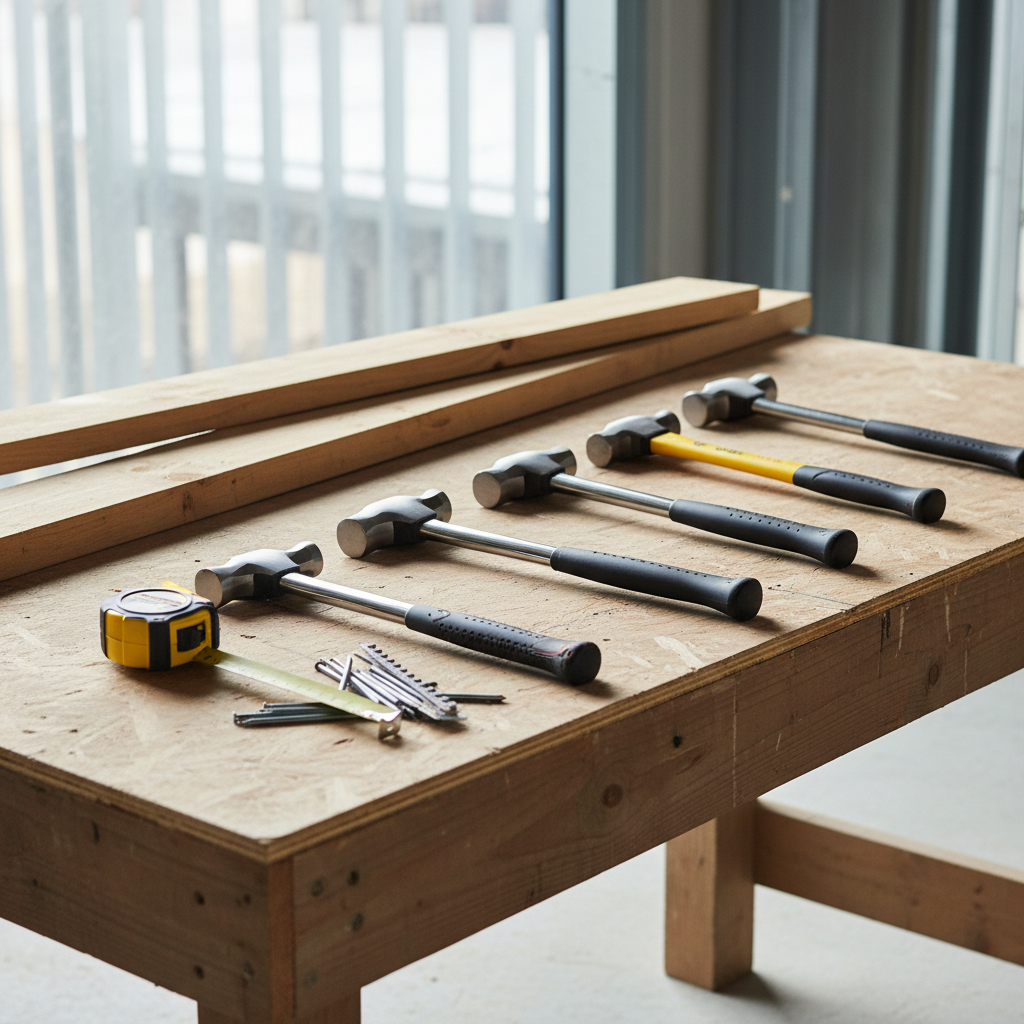
Below is a practical way to choose: a short decision checklist, a comparison table, and recommendations by real-world use case. I’ll also call out the common “spec traps” that look impressive online but don’t help much when you’re actually driving nails all day.
What matters most in a framing and construction hammer
When people ask for the best hammer for framing and construction, they usually mean “fast nail driving, less fatigue, and no surprises.” These features tend to decide that outcome.
- Head weight (oz): 20–22 oz is a common sweet spot for general framing, 24–28 oz favors power but can punish your arm if your form or workload isn’t a match.
- Head material: steel is affordable and durable, titanium reduces weight for similar swing energy but costs more and can feel different on miss-hits.
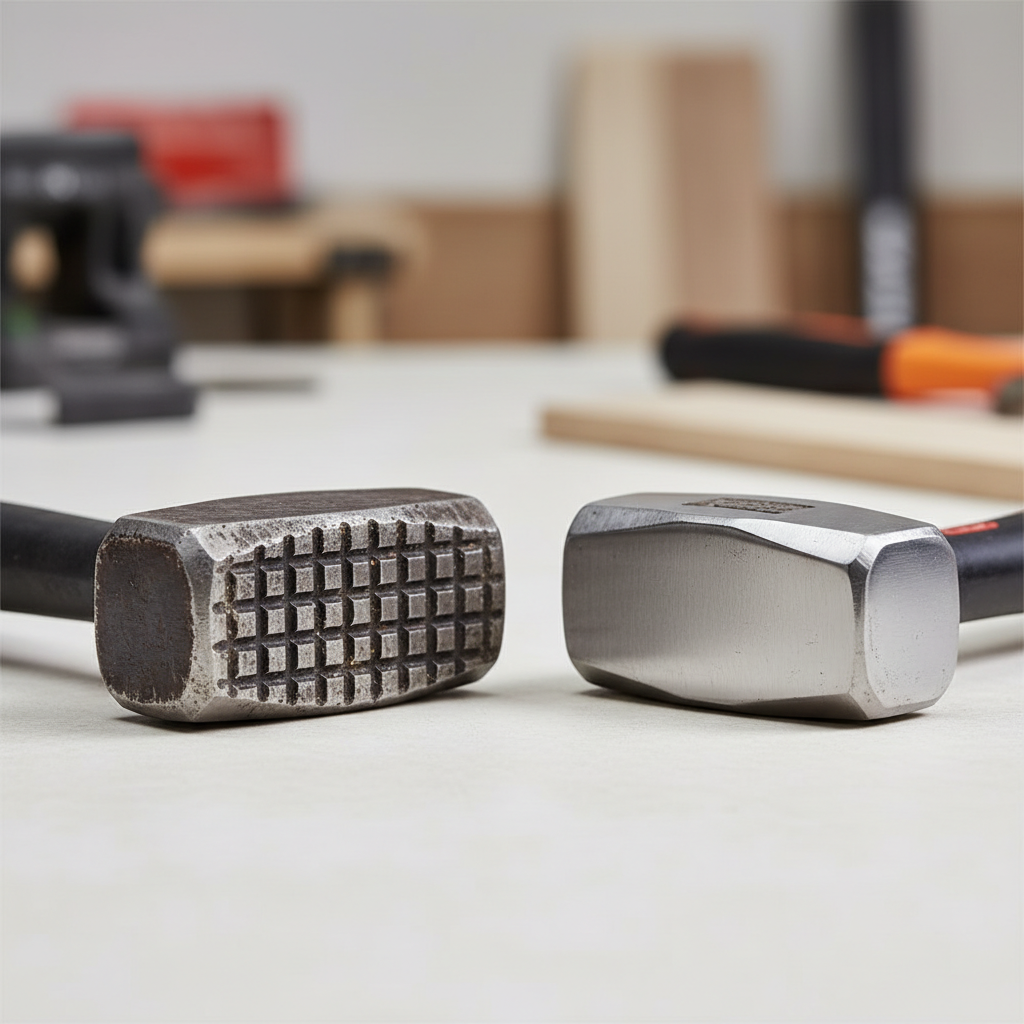
- Face type: milled face grips nail heads better, smooth face reduces marking when you’re near visible surfaces.
- Handle length: longer handles add leverage, but they can be awkward in tight bays or ladder work.
- Shock/vibration control: wood and fiberglass often damp better than all-steel, some premium designs add engineered isolation.
- Claw style: straight claw for prying and demolition, curved claw leans more “general carpentry.”
Key takeaway: if you frame daily, vibration and balance can matter as much as raw striking power, especially over a long week.
Quick self-check: which hammer profile fits you?
Use this to sort yourself into a “good enough” category before you look at brands. It saves money and avoids buying something that looks pro but feels wrong in your hand.
- You do mostly framing, sheathing, decks → consider 21–23 oz steel or a lighter titanium with a long handle.
- You do framing plus frequent prying/demolition → straight claw, tough steel head, prioritize durability over lightness.
- You work overhead (roofing, ladders) a lot → lighter head or titanium, balanced swing, secure grip texture.
- You get elbow/wrist soreness → look harder at vibration control, handle material, and avoid going too heavy.
- You’re around finish surfaces sometimes → smooth face (or keep a second smooth-face hammer), avoid aggressive milling.
If you’re split between categories, that’s normal, a lot of residential work is mixed. In that case, pick the hammer that matches the task you do most hours per week, not the occasional job.
Comparison table: common hammer setups (what to expect)
This table is the fast way to understand tradeoffs without getting lost in marketing terms.
| Setup | Typical use | Pros | Tradeoffs |
|---|---|---|---|
| 22 oz steel, milled face, straight claw | General framing + light demo | Strong driving power, durable, versatile | More vibration, heavier overhead |
| 20–21 oz steel, smooth face, curved claw | Remodeling, mixed carpentry | Less surface marking, easier all-day carry | Less bite on nail heads, weaker prying |
| 14–16 oz titanium, milled face, long handle | High-volume framing, overhead work | Lighter feel, solid swing energy, reduced fatigue for many users | Higher cost, different rebound feel |
| 24–28 oz steel, milled face, straight claw | Production framing, stubborn nails | Maximum driving power per hit | More fatigue, higher strain risk if form is off |
| Fiberglass handle, 21–23 oz steel head | General construction | Often good vibration damping, usually affordable | Grip can feel bulky, balance varies by model |
Best hammer picks for 2026 (by scenario, not hype)
I’m not going to pretend there’s one universal best hammer for framing and construction, because your day might be trusses, or it might be joist hangers and blocking in tight bays. Here are the most workable “buying lanes” for 2026.
All-around framing pick: 21–23 oz steel, straight claw, milled face
This is the safe bet for most U.S. residential framing and general construction. It hits hard, pulls nails, and survives jobsite abuse without you babysitting it.
- Who it fits: DIYers building a deck, crew members doing mixed framing, anyone who wants one hammer that “just works.”
- What to look for: comfortable grip contour, reliable head-to-handle connection, a face that isn’t overly aggressive.
Fatigue-focused pick: titanium head (often 14–16 oz) with a long handle
Titanium is popular because you can get strong swing energy without carrying a heavy head all day. Many users find it easier on the arm, though feel and rebound are personal, so it’s worth handling one before committing if you can.
- Who it fits: pros driving lots of nails daily, frequent overhead work, smaller-framed users who still want speed.
- Watch for: face wear patterns, replacement cost, and whether the handle geometry suits your swing.
Remodel and “don’t-dent-everything” pick: smooth face + moderate weight
If you’re often near visible surfaces, a smooth face is less likely to leave waffle marks. You give up some bite, but you gain fewer cosmetic problems.
- Who it fits: remodelers, punch-list work, mixed carpentry where finish surfaces show up unexpectedly.
- Tip: keep a nail set in your pouch, it makes a smooth-face hammer much more flexible.
Demo-leaning pick: heavier steel with a tough straight claw
If prying and nail pulling is a daily thing, durability matters more than saving a few ounces. A robust straight claw and solid steel construction usually pays off.
- Who it fits: renovation tear-outs, forms, rough carpentry with frequent rework.
- Reality check: a heavier hammer can amplify elbow pain if you already feel it, so this is not the “tough it out” choice for everyone.
How to choose in-store (or online) without guessing
If you can hold the hammer, you can avoid most bad buys in under two minutes.
- Balance test: choke up near the neck, the head should not feel like it’s dragging your wrist downward.
- Grip test: imagine sweaty gloves, if the grip is slick in a showroom, it will be worse on a hot day.
- Sightline check: hold it in a natural swing stance, your eye should “find” the face without fighting the handle angle.
- Claw access: make sure the claw fits around common nail heads and can bite under edges you actually deal with.
If you’re buying online, look for clear weight/length specs, close-up photos of the face and handle junction, and a return policy that doesn’t punish you for a wrong feel.

According to OSHA, hand tools should be maintained and used as intended to reduce injury risk, that includes keeping striking faces in good condition and choosing tools appropriate to the job. If you’re already dealing with chronic pain, tool choice is only part of the fix and you may want input from a qualified professional.
Practical tips: get better results with the hammer you already own
Sometimes the “best hammer” upgrade is technique and setup, not a new tool. These are small adjustments that often improve accuracy and reduce fatigue.
- Match nail size to the job: oversized nails take more force and increase glancing hits, especially in awkward angles.
- Start nails with controlled taps: it’s slower by seconds, faster by mistakes avoided.
- Let the hammer swing: death-gripping the handle usually increases vibration you feel.
- Keep the face clean: pitch and grime can reduce consistent contact and make misses more likely.
- Use the right pry tool: if you pry all day, a flat bar saves your hammer claw and your wrist.
Mistakes that waste money (and what to do instead)
- Buying the heaviest head “for power”: power helps, but fatigue compounds, try mid-weight first unless your work is truly production framing.
- Assuming milled face is always better: it grabs nail heads, it also marks wood, keep a smooth-face option if you touch finish-adjacent work.
- Ignoring handle feel: specs don’t tell you hot spots, if the grip bites your hand in five swings, it won’t improve after a month.
- Using a framing hammer for everything: sometimes a lightweight trim hammer or mallet is the right move and keeps surfaces cleaner.
Conclusion: picking your 2026 hammer with confidence
If you want one purchase that covers the widest range of tasks, a 21–23 oz steel framing hammer with a straight claw is still the most dependable baseline for 2026, and it’s usually the easiest to live with. If your work is high-volume or overhead-heavy, titanium can be worth it when the balance feels right, while remodelers often stay happier with a smoother face and moderate weight.
Action steps: pick your primary use case, then choose a weight you can swing accurately for hours, not minutes. After that, prioritize vibration control and handle comfort, those two details tend to decide whether the tool feels like a keeper.
Key points to remember
- Weight and balance beat marketing features in daily comfort.
- Milled vs smooth face is mostly about surface marking and nail control.
- Durability vs fatigue is the tradeoff to decide early.
FAQ
What weight is best for a framing hammer in general construction?
For many people, 21–23 oz is the most forgiving range for mixed framing and construction work. Heavier heads can be great for production work, but they can also wear you down faster if you’re not swinging all day or you’re working overhead.
Is titanium actually better than steel for framing?
It can be, especially when fatigue is your limiting factor, but it depends on budget and feel. Titanium often costs more, and some users don’t like the rebound, so it’s “better” only when it fits your swing and workload.
Milled face vs smooth face: which should I buy?
Milled faces tend to reduce slipping on nail heads, which helps speed and control in rough framing. Smooth faces are less likely to leave marks, so they’re a safer choice when your hammer might touch visible wood.
What handle material is easiest on your arm?
Wood and fiberglass often feel less harsh than all-steel when you miss-hit, though designs vary. If you’re dealing with persistent elbow pain, tool choice may help, but you may also want to consult a qualified professional about technique and workload.
Do I need a straight claw for framing?
You don’t “need” it, but straight claws are usually more useful for prying and nail pulling in framing and teardown tasks. Curved claws can be fine for general carpentry, they just aren’t as strong for leverage-heavy work.
How do I know if a hammer is causing tennis elbow?
If pain flares during or after repeated striking, and improves when you switch tools or reduce vibration exposure, the hammer may be contributing. Because pain has many causes, persistent symptoms are a good reason to seek medical guidance.
What’s one accessory that helps more than people expect?
A simple nail set and a small flat bar change the game, you can keep your hammer face cleaner for striking and stop abusing the claw for jobs that a pry tool handles better.
If you want an easier way to pick
If you’re trying to narrow down the best hammer for framing and construction for your exact mix of jobs, it often helps to list your top three tasks and your typical working position, overhead, waist-level, or tight spaces. If you share that, you can usually get to a short list fast without overspending on features you won’t use.