
Best lawn mower blade sharpener choices tend to look similar online, but in real garages they behave very differently depending on your blade style, how dull it is, and how comfortable you are around spinning tools.
If your lawn suddenly looks torn instead of cleanly cut, the mower vibrates more than you remember, or you notice the engine working harder, a dull blade is often part of the story. Sharpening usually costs less than replacing blades regularly, and it can help your mower cut more efficiently.
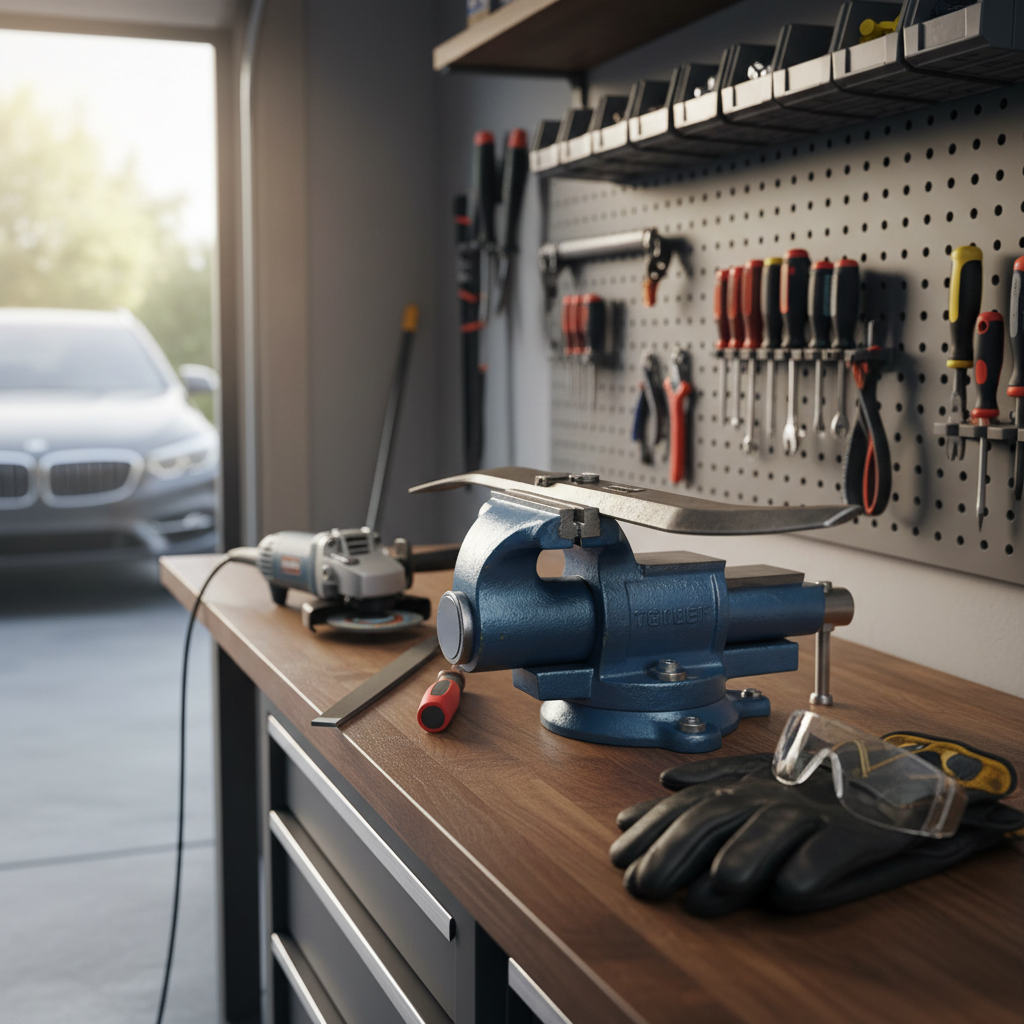
One more thing people miss: “sharp” does not mean razor-like. Lawn mower blades work best with a durable working edge, and for many homeowners the right sharpener is the one that keeps the angle consistent without turning the job into a weekend project.
What “best” really means for a lawn mower blade sharpener
Most shopping pages rank tools as if everyone has the same mower and the same tolerance for DIY. In practice, the best fit comes down to three questions.
- How much metal needs to come off? Light touch-ups are different from fixing nicks after you hit a rock.
- What tool control do you have? Some sharpeners are forgiving, others punish small mistakes with uneven edges.
- How often will you do this? If you sharpen once a season, convenience may matter more than speed.
Also, some blades are thicker, mulching blades have more complex profiles, and certain riding mower blades are simply heavier to handle. Those details influence which sharpener feels “easy” versus “sketchy.”
Quick comparison: common sharpener types (and who they’re for)
Below is a practical snapshot, not a lab test. Many brands sell similar formats, so focus on the tool type and your comfort level.
| Sharpener type | Best for | Pros | Watch-outs |
|---|---|---|---|
| Bench grinder | Frequent sharpening, heavy wear | Fast removal, consistent with practice | Easy to overheat/remove too much metal |
| Angle grinder + flap disc | DIYers comfortable with power tools | Very fast, portable | High risk of uneven bevel if you rush |
| Drill-powered blade sharpener | Homeowners doing seasonal touch-ups | Simple, inexpensive, easy to store | Slower on badly damaged edges |
| Hand file | Quiet, controlled touch-ups | Low cost, high control, no sparks | Takes time, requires patience |
| Guided jig system | People who want repeatable angles | Consistency, lower learning curve | Setup time, not always great for odd profiles |
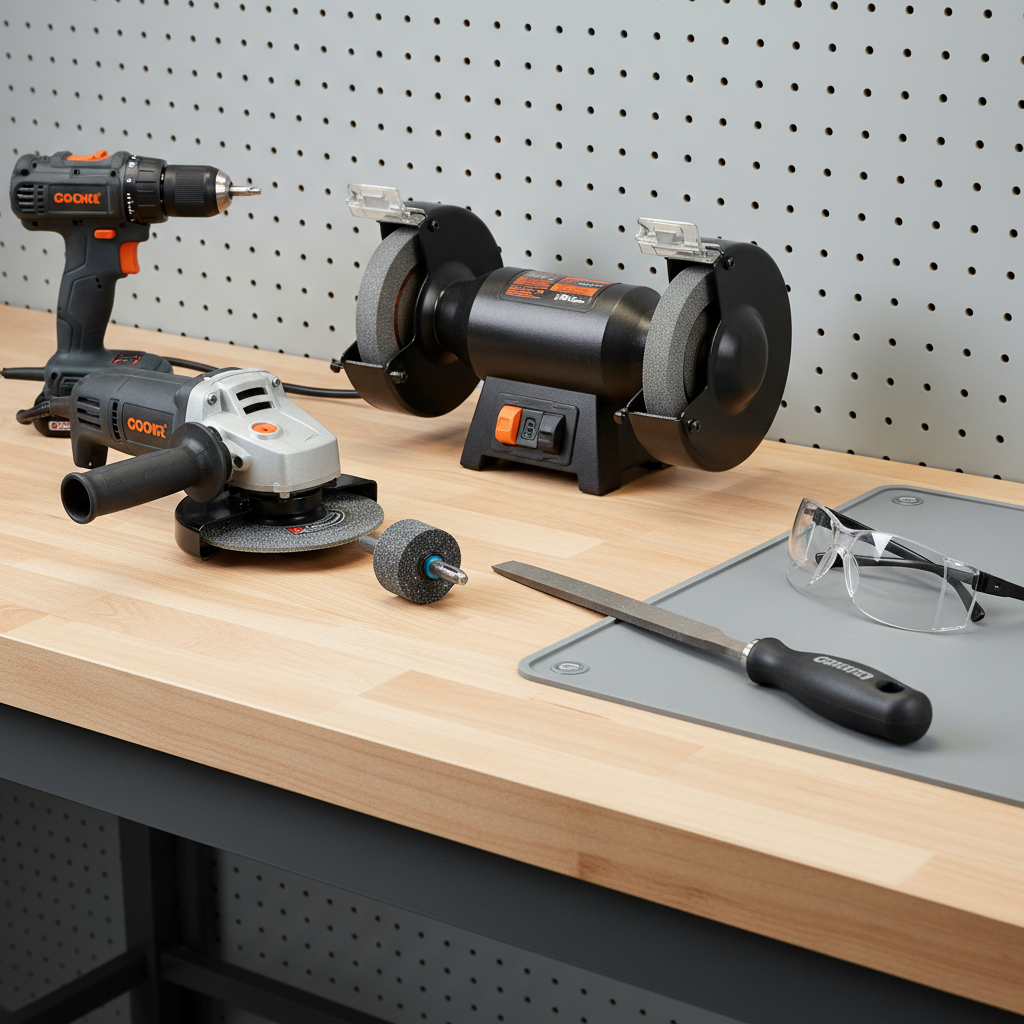
How to pick the best lawn mower blade sharpener for your setup
If you want one decision rule, use this: choose the least aggressive tool that still matches your blade condition. It keeps you out of trouble and extends blade life.
If you mostly want easy seasonal maintenance
- Top match: drill-powered sharpener or a hand file
- Why it works: you remove less metal, keep things simple, and touch up more often
- When it fails: deep chips, bent blades, heavy corrosion on the cutting edge
If you hit sticks, rocks, or lots of roots
- Top match: bench grinder or angle grinder with a flap disc
- Why it works: fast reshaping, easier to correct damage
- When it fails: if you don’t have a solid way to hold the blade steady
If you care most about consistent angles
- Top match: guided jig system
- Why it works: repeatable bevel, fewer “oops” moments
- When it fails: blades with unusual geometry where the guide can’t sit right
According to OSHA, eye and face protection matters when grinding due to flying debris and sparks, and that’s not something to wave off as “just a quick pass.” If you’re unsure what PPE is appropriate for your tools, it may be worth checking the tool manual or asking a local hardware pro.
Fast self-check: do you need sharpening, balancing, or replacement?
A lot of “sharpening problems” are actually “balance” or “damage” problems. Use this quick list before you buy anything.
- Grass looks frayed/brown at the tips: sharpening often helps, but also check mowing height and drought stress.
- Mower vibrates more than usual: blade may be out of balance, bent, or installed incorrectly.
- Visible chunks missing from the edge: sharpening can work if damage is minor, but big chips may call for replacement.
- Edge is rounded but not damaged: perfect case for a drill attachment or file.
- Cracks near the center hole or along the blade: typically replacement territory, many situations are not safe to “fix.”
When in doubt, treat a questionable blade like a safety issue, not a DIY challenge. A local mower shop can usually tell you quickly if a blade is serviceable.
Practical sharpening steps (by tool type)
The goal is a consistent bevel and a balanced blade, not a mirror finish. Keep it controlled, keep it repeatable.
Before you start (applies to every method)
- Disconnect power: remove the spark plug wire for gas mowers, remove the battery for cordless.
- Remove the blade safely: use a block of wood to stop rotation, and the right socket or wrench.
- Mark the top side: paint marker or a quick scratch so it goes back the same way.
- Secure the blade: a vise beats “holding it with one hand,” every time.
Using a drill-powered sharpener
- Match the attachment angle to the existing bevel, then use light pressure.
- Make multiple short passes rather than one long grind.
- Stop early if the edge heats up a lot, heat can weaken metal in some cases.
Using an angle grinder (flap disc recommended for most DIYers)
- Keep the grinder moving, pausing creates dips and overheats spots.
- Follow the factory angle instead of “making it sharper.”
- Count passes on each side to stay roughly even.
Using a hand file
- File in one direction along the bevel, steady strokes beat speed.
- Maintain the existing angle and focus on removing burrs and rounding.
- If you see shiny spots and dull spots alternating, you’re likely rocking the file.
Key point: you usually don’t need a razor edge. Many experienced techs aim for “butter-knife sharp,” clean and consistent, because mower blades hit dirt and debris and need durability.
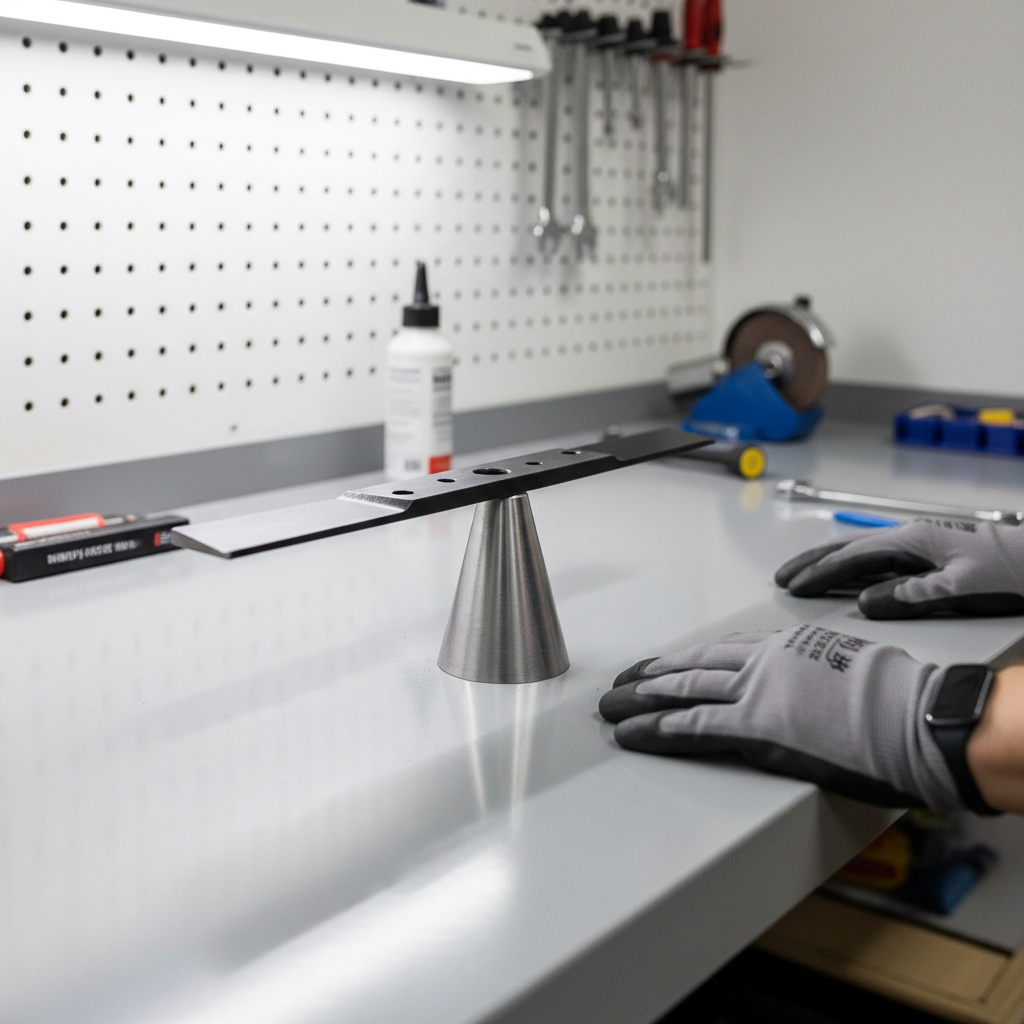
Don’t skip this: balancing and reinstall checks
Buying the best lawn mower blade sharpener won’t help much if the blade ends up uneven. Imbalance can cause vibration, extra wear on bearings, and a rough cut.
- Balance test: use a blade balancer, or in many cases a nail in a stud can work as a basic check. If one side consistently drops, remove a little metal from that side’s cutting edge.
- Reinstall correctly: confirm orientation, torque to the mower manual spec, and use the right washers/spacers.
- Inspect the deck: built-up gunk changes airflow and cut quality even with a sharp blade.
According to the Outdoor Power Equipment Institute (OPEI), basic mower maintenance and safe handling practices reduce avoidable injuries and equipment damage, and blade work is one of those tasks where “close enough” can become expensive.
Common mistakes that waste time (or shorten blade life)
- Grinding the edge too thin: it may feel sharp, then dull quickly or chip easier.
- Changing the bevel angle: inconsistent angle often cuts worse even if it feels sharper by touch.
- Overheating the metal: if it turns blue, you likely changed temper in that spot, go slower and lighter next time.
- Ignoring bends: sharpening a bent blade can keep vibration problems around.
- Skipping safety basics: eye protection, gloves, and stable clamping matter more than people admit.
Conclusion: the best choice for most people in 2026
For many homeowners, the best lawn mower blade sharpener is a drill-powered attachment or a good file because it encourages frequent, low-drama touch-ups. If your yard is rough, you sharpen often, or your blades take real abuse, a bench grinder or an angle grinder setup can make sense, but only if you can clamp the blade securely and keep the bevel consistent.
Two actions that pay off quickly: pick a sharpener type you’ll actually use, and add a simple balancing step after every sharpening. That combination usually gets you cleaner cuts without turning maintenance into a hobby.
FAQ
What is the best lawn mower blade sharpener for a beginner?
A drill-powered sharpener or a hand file is often the easiest starting point, because it’s slower and more controllable, which helps you keep a consistent angle.
Is an angle grinder safe for sharpening mower blades?
It can be, but it demands more control and proper clamping. If you’re not comfortable with sparks and fast metal removal, a less aggressive option may be a better fit.
How sharp should a lawn mower blade be?
Usually you want a clean, consistent edge rather than a razor edge. A slightly “working sharp” edge often holds up better against dirt and small debris.
Do I need to balance the blade every time I sharpen?
In many cases, yes. Small differences in metal removal can cause vibration, so a quick balance check is a smart habit.
How often should I sharpen my mower blade?
It depends on grass type, acreage, and how many sticks and rocks you hit. Many homeowners do it once or twice per season, while rough conditions may call for more frequent touch-ups.
Can I sharpen a blade without removing it from the mower?
Some people do, but removal is usually safer and more accurate because you can clamp the blade and check balance. If you’re unsure, a local shop can help.
When should I replace instead of sharpen?
If you see cracks, severe bends, or heavy chunks missing, replacement is often the safer path. When safety is unclear, consider asking a mower repair professional.
If you’re trying to choose between a drill attachment, grinder setup, or a guided system, it can help to list your blade condition, your comfort with power tools, and how often you realistically sharpen, then buy for that reality rather than the most “pro-looking” option.