
How to use a fire pit poker safely comes down to a few non-negotiables: control your distance from heat, control the tool angle, and never “muscle” a log you can’t predict.
If you’ve ever poked a fire and watched embers jump, a log roll toward the edge, or a flame flare up, you already know why this matters, it’s not about looking experienced, it’s about keeping hands, clothes, kids, pets, and decks out of trouble.
This guide focuses on real-use moments: stirring coals to get more heat, repositioning logs without launching sparks, and knowing when you should stop poking and switch tactics.
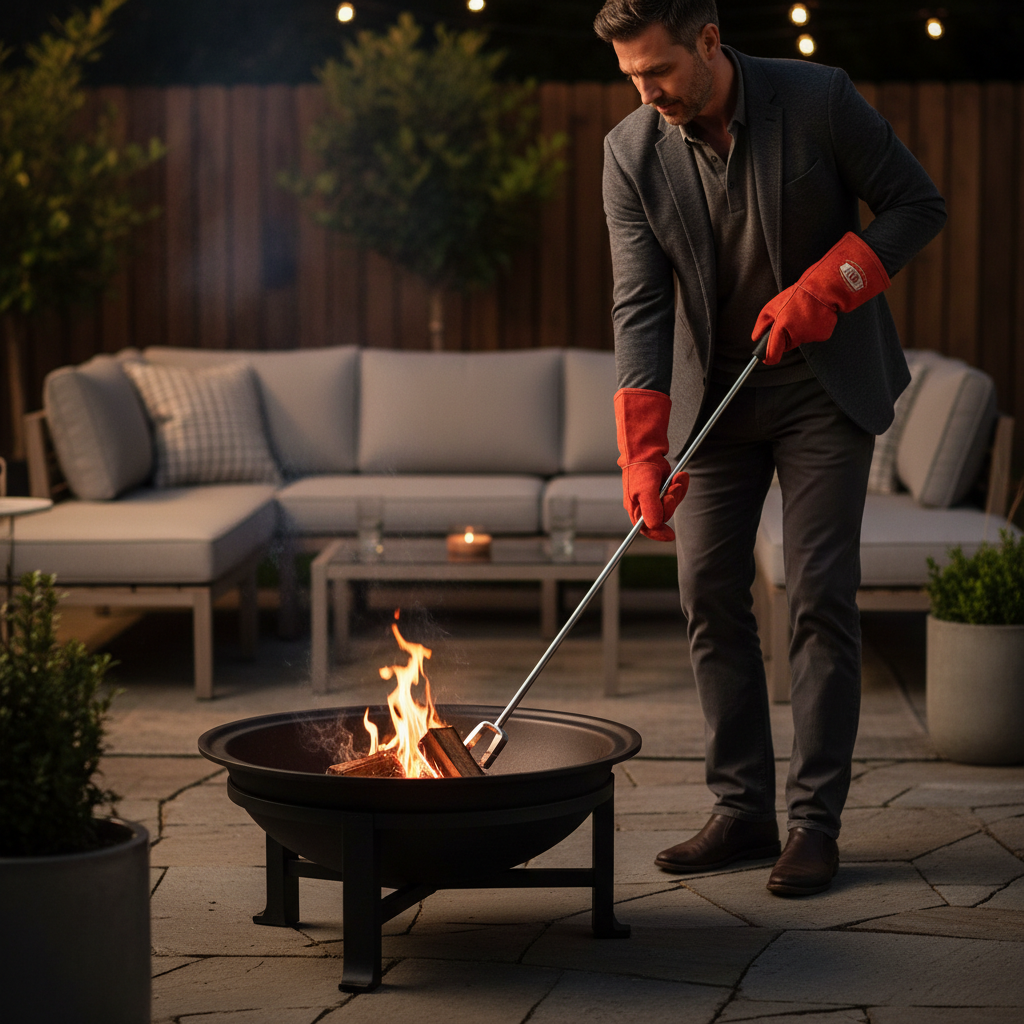
What a Fire Pit Poker Is (and What It’s Not)
A fire pit poker is a long metal tool meant to move burning wood and coals from a safer distance. Most have a hook, a pointed end, or both, and the length is your first safety feature.
What it’s not: a shovel, a crowbar, or a “flip this whole log like a spatula” tool. If you treat it like leverage equipment, you can lose control fast, especially when a log is half-burned and collapses.
According to the National Fire Protection Association (NFPA), fire safety is largely about prevention and controlling ignition sources, in practice that means you want fewer surprises at the fire pit, not more.
Common Ways People Get Hurt When Poking a Fire
Most mishaps aren’t dramatic, they’re small mistakes stacked together. Here are the patterns that show up a lot.
- Spark bursts from over-stirring, especially with dry, flaky wood or lots of ash.
- Log rolls after you pry from the wrong side, the round side wins.
- Tool slips because the tip is on ash instead of solid wood or coal.
- Heat exposure from standing too close, leaning in, or wearing melt-prone fabrics.
- Trips and bumps when someone sets the poker down in the walking path.
If your goal is to learn how to use a fire pit poker safely, think “minimum movement, maximum control.” Fire responds to oxygen and motion, more than most people expect.
Quick Self-Check: Are You Set Up to Use a Poker Safely?
Before you touch the fire, run this fast checklist. If you answer “no” to more than one, fix setup first, it saves you from correcting mid-move.
- My fire pit sits on a stable, non-combustible surface, not dry leaves or a wobbly paver.
- I can stand with both feet planted, no leaning over chairs or uneven ground.
- I have heat-resistant gloves or at least a plan to keep hands away from radiated heat.
- I know where kids and pets are, and there’s a clear “no-go” circle around the pit.
- I have a place to rest the poker that isn’t the ground in a walkway.
According to the U.S. Fire Administration, outdoor fire safety often comes back to maintaining control over the fire area and reducing exposure to heat and flying embers.
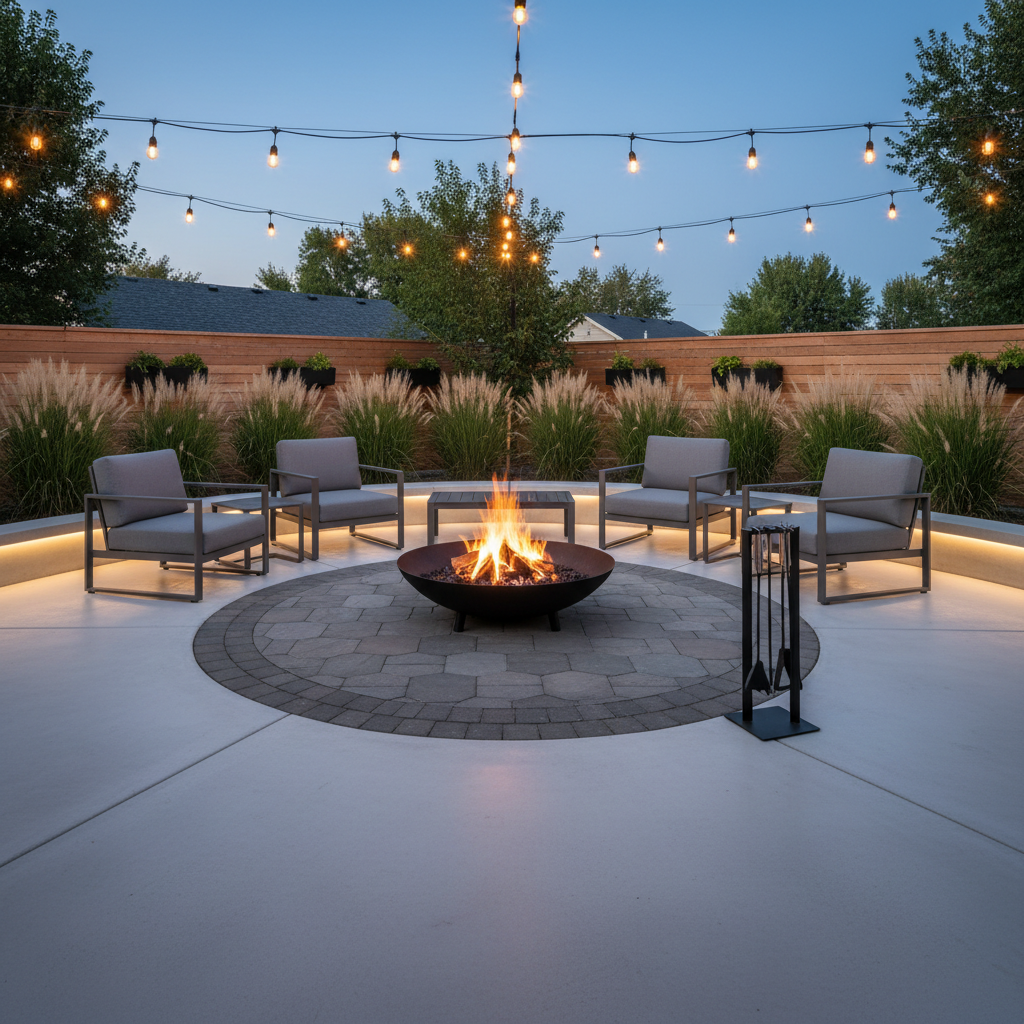
Choosing the Right Poker (Length, Handle, Hook)
A surprising amount of “poker safety” is just using a tool that fits your fire pit. Too short and you lean in, too thin and it flexes, too smooth and it twists in your grip.
What usually works well
- Length: Many backyard setups do better with a longer poker so you can stay back, especially with deeper bowl-style pits.
- Handle: Look for a loop, coil, or textured grip that stays stable with gloves.
- Tip: A modest hook helps pull a log toward center without lifting and flipping.
- Material: Solid steel tends to feel more predictable than lightweight hollow rods.
Quick comparison table
| Poker feature | Why it matters | Good fit for |
|---|---|---|
| Longer shaft | More distance from heat, less leaning | Deep fire pits, bigger logs |
| Textured/loop handle | Better control with gloves, less twist | Most backyard use |
| Hooked end | Pull and nudge instead of lift and drop | Re-centering logs, adjusting stacks |
| Heavier steel | Less bounce, steadier pressure | Frequent fires, larger pits |
How to Use a Fire Pit Poker Safely: Step-by-Step Moves That Work
Here’s the practical part. These aren’t “tricks,” they’re small habits that keep the fire predictable.
1) Start with stance and distance
- Stand slightly to the side of the pit, not directly over it.
- Keep your face and chest back, if you feel heat on your eyebrows, you’re too close.
- Grip the handle like you mean it, but don’t choke up near the hot end.
2) Nudge, don’t pry
The safest adjustments are sideways nudges. Place the poker tip against solid wood, then push slowly. If the log wants to roll, change the contact point rather than pushing harder.
3) Pull logs toward the center with the hook
- Catch the log on the far side, then pull toward the center in a straight line.
- Avoid lifting the log high, lift is where surprise rolls and ember showers happen.
4) Manage airflow without stirring ash into a storm
If the fire is dying, many people start “whisking” the coals. A calmer approach works better: gently rake coals together to concentrate heat, then add a small split log. Less motion, more ignition.
5) When adding wood, create a stable landing first
Use the poker to flatten a small bed of coals where the new piece will sit, then place wood with tongs or by hand only if you can do it without getting close. If the piece wobbles, nudge it into a notch, don’t keep tapping.
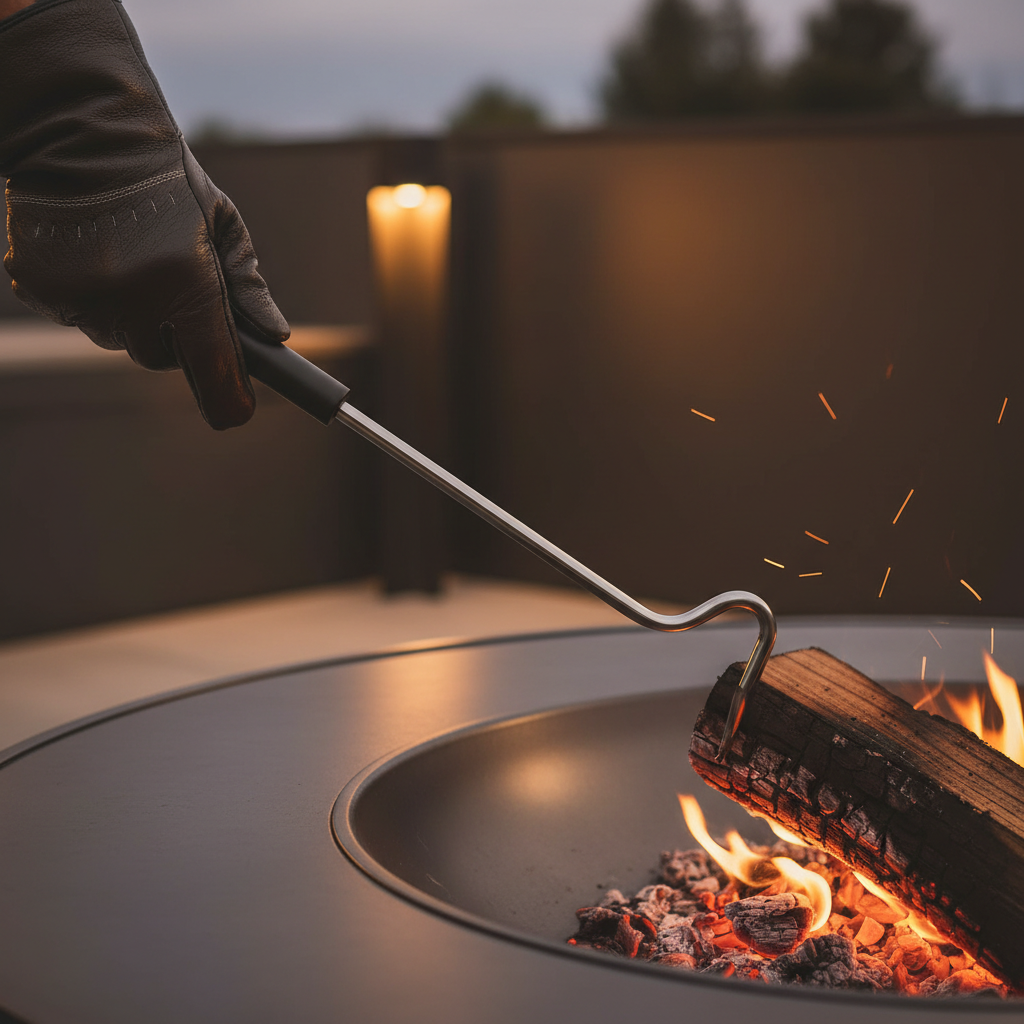
Practical Safety Gear and Setup (What Actually Helps)
You don’t need a full firefighter kit, but a couple items change the risk profile a lot, especially if you tend to host groups.
- Heat-resistant gloves: Helpful for radiated heat and accidental contact with the handle.
- Long tongs: Often safer than a poker for placing and removing wood.
- Fire pit screen: Cuts down on popping embers in many situations, though not every pit supports one.
- Dedicated tool stand: Keeps hot metal off the ground and out of walk paths.
- Water bucket or hose nearby: Useful for “just in case,” but avoid blasting hot coals unless you need to control a hazard.
According to the American Red Cross, home fire safety planning includes having suppression tools available and keeping ignition sources controlled, outdoor fires still benefit from that mindset.
Mistakes to Avoid (These Are the Ones That Bite Later)
Some errors look harmless until you repeat them a few times and get one unlucky moment.
- Poking to entertain: Constant poking adds oxygen and throws embers, the fire rarely needs that much “help.”
- Standing downwind: Smoke and embers travel where wind pushes them, reposition yourself first.
- Using accelerants: Gasoline and similar products can flash unexpectedly, if ignition is hard, change fuel and airflow instead.
- Leaving the poker in the pit: The handle can heat up more than you expect, and someone might grab it later.
- Overreaching: If you can’t reach the far side safely, rotate your position around the pit rather than leaning in.
One more thing people forget: synthetic clothing can melt when exposed to high heat. Natural fibers may still burn, but the “melt and stick” risk with some synthetics is a real reason to be conservative with distance.
When to Stop and Get Help (or Change the Plan)
Sometimes the safest poker technique is not using it at all. If any of these show up, step back and reset.
- The fire pit sits too close to a structure, dry brush, or low-hanging branches, move the pit or skip the fire.
- You see cracks, warping, or instability in the fire pit, hot metal can fail at the worst time.
- Smoke consistently pushes into a home or enclosed area, you may need to adjust placement or consult local guidance.
- You feel unsure managing flare-ups, especially with larger wood loads, consider asking a more experienced person to take over.
Local rules and burn bans vary, and they change, if you’re not sure what’s allowed where you live, checking local fire department guidance is usually a quick win.
Key Takeaways and a Simple Next Step
If you remember three ideas, you’re already most of the way there: keep distance, use small controlled movements, and plan where the tool goes when you’re done. That combination reduces sparks, rolls, and the “hot handle” surprise.
Next time you light a fire, try this: set a clear perimeter, wear gloves, and limit yourself to one purposeful adjustment every few minutes. You’ll still get a better burn, just with fewer unpredictable moments.
FAQ
- How long should a fire pit poker be for safe use?
Longer is usually safer because it keeps you back from radiant heat, but it should still feel controllable. If you’re leaning in, it’s probably too short for your pit depth. - Can I use a regular fireplace poker for an outdoor fire pit?
Often yes, but outdoor pits can be wider and deeper, so an indoor tool may force you closer than you want. If it flexes or feels short, consider upgrading. - Is it safe to stir the ashes to revive the fire?
It can work, but it also kicks up embers and ash, especially in dry conditions. A gentler rake of coals into a tighter pile tends to be safer than vigorous stirring. - Should I wear gloves when using a fire pit poker?
In many cases, yes. Gloves help with radiant heat and accidental contact with a warmed handle, but they don’t make you burn-proof, so distance still matters. - What’s the safest way to reposition a log that’s rolling toward the edge?
Use the hook to pull it toward center from the far side, then nudge into a stable “nest” of coals. Trying to lift and flip mid-burn is where control gets shaky. - How do I know if my fire is too big to manage with a poker?
If flames are consistently higher than the pit, heat forces you to step back, or you can’t approach without discomfort, you’re past the “adjust with tools” stage. Let it burn down and avoid adding wood. - Is it okay to leave the poker outside after use?
Usually it’s fine once fully cooled, but store it where it won’t be a trip hazard and where kids won’t treat it like a toy. If you get rust, check the tip and handle stability before the next fire.
If you’re setting up a new backyard fire area or updating your tools, choosing a longer, better-grip poker and adding a simple tool stand can make safe handling feel easier without turning the routine into a project.