
oil can spout metal setups are a simple fix for a frustrating problem: you need a few controlled drops, but you end up with drips on the bench, oil on your hands, and a part that still squeaks.
If you do any kind of shop work, home maintenance, or light machinery care, precision oiling matters more than people expect. A tiny bearing or hinge can run smoother with a couple drops, but it can also attract grit if you overdo it, especially around sawdust or metal chips.
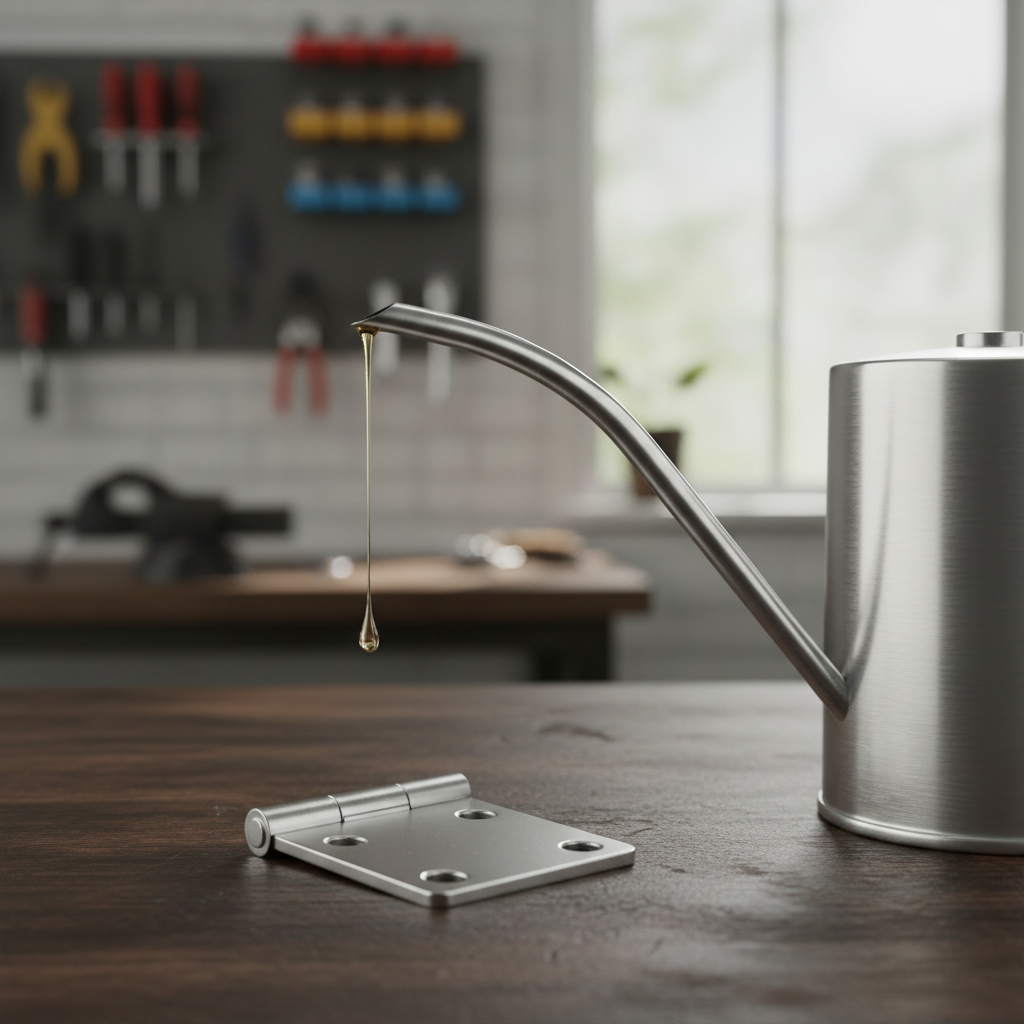
This guide focuses on what actually makes a metal spout work for precision, how to pick the right spout style for your tasks, and how to avoid the common “why is this leaking?” moments. You’ll also get a quick comparison table and a practical checklist you can use before buying.
Why a Metal Spout Changes Precision Oiling
A metal spout is not just “more durable.” In day-to-day use, it changes how you control flow, how accurately you reach tight spots, and how predictable the oiling feels.
- Tip control: A rigid spout holds its line better than soft tubing, which helps when you’re aiming at a small oil port.
- Consistent flow: Many metal-spout cans pair well with a predictable pump or lever action, so you can dose oil in drops rather than a sudden stream.
- Reach: Long spouts reach behind guards or between linkages where a wide nozzle can’t fit.
- Heat and shop conditions: Metal generally tolerates warm areas and accidental bumps better than plastic.
That said, a metal spout can still be messy if the tip design and venting are wrong for your viscosity, or if the cap seal is mediocre. The “metal” part helps, but it’s not magic.
Common Leak and Mess Scenarios (and What Usually Causes Them)
Most complaints about an oil can are surprisingly repeatable. If you recognize one of these patterns, you can usually fix it without replacing everything.
- Oil keeps weeping at the base of the spout: Often a worn gasket, loose threads, or cross-threading from overtightening.
- It drips after you stop pumping: Typically residual pressure, a tip that doesn’t “break” the droplet cleanly, or oil that’s too thin for the spout geometry.
- Sprays instead of drops: Common with a damaged tip, bent spout, or a pump that’s pulling air due to a bad seal.
- Inconsistent flow: Sometimes a clogged spout, but just as often a vent issue that creates vacuum lock.
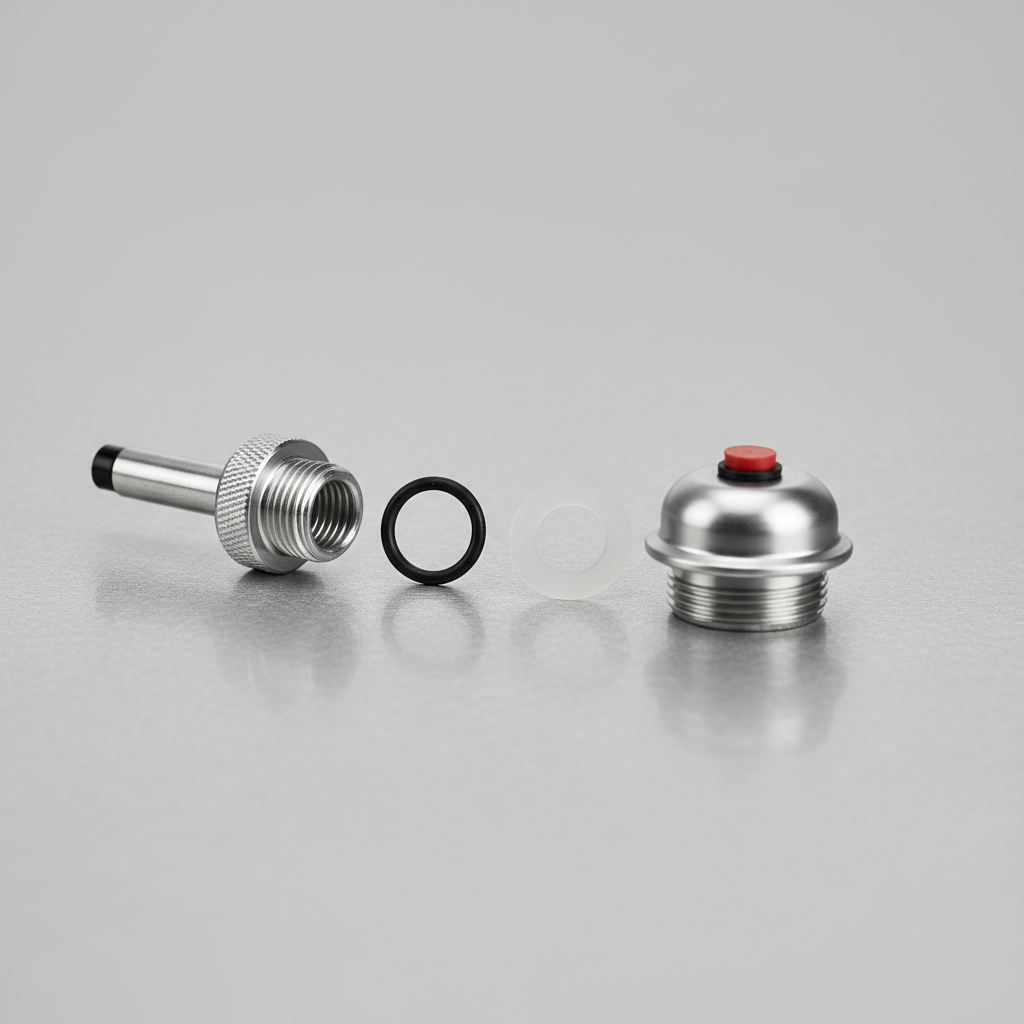
One more real-world issue: people mix oils in the same can. Even when both are “lubricating oil,” additives can vary, and contamination changes how the spout behaves. If precision matters, keep one can per oil type.
Quick Buying Checklist: Which Metal Spout Fits Your Work?
If you want an oil can spout metal setup that feels precise, focus on the few details that affect control, not the ones that look good in photos.
Spout shape and length
- Long straight spout: Good for deep reach and general machine oiling.
- Curved spout: Helpful when you need an angle into crowded assemblies.
- Fine tip vs standard tip: Fine tips shine for tiny oil ports, but can clog more easily with heavier oils.
Pump feel and dosing
- Short, smooth stroke: Easier to deliver a few drops without overshooting.
- Return spring behavior: A clean return helps prevent after-drip from lingering pressure.
Sealing and venting
- Cap seal quality: Look for a snug fit and a gasket that doesn’t look flimsy.
- Vent design: Without decent venting, you can get sputtering or sudden flow changes.
Metal Spout Options Compared (Table)
This table is a practical way to match spout style to task. It’s not a “best/worst” ranking; it’s about fit.
| Spout Type | Best For | Typical Strength | Watch Outs |
|---|---|---|---|
| Long straight metal spout | Bearings, machine points, hard-to-reach ports | Reach and aim stability | Bends if stored poorly |
| Curved metal spout | Linkages, hinges in tight assemblies | Better approach angle | Harder to clean inside |
| Fine needle-style metal tip | Micro oiling points, small tools | Drop control | Clogs with thick or dirty oil |
| Standard tip with cap | General purpose lubrication | Balanced for most oils | Can still drip if cap seal is weak |
How to Use a Metal Spout Oil Can for Clean, Precise Drops
The technique matters as much as the tool. When people say a can “always leaks,” it’s sometimes just pressure and angle.
- Start with the tip clean: Wipe the spout before and after use, old residue is a big contributor to after-drip.
- Stabilize your hand: Rest your wrist or pinky on a stable surface when aiming at a small oil port.
- Use micro-strokes: Instead of one full pump, use short strokes until you see the first drop form.
- Pause after the last drop: Give it a second, then lift the spout away in a slight upward motion to “break” the droplet.
- Cap it promptly: A cap helps keep dust out and reduces accidental drips in storage.
If you’re oiling around sawdust, grinding dust, or road grit, less is usually safer. Extra oil can turn into a dirt magnet, which can accelerate wear in many real shops.

Maintenance: Keep the Spout Flowing and the Can From Failing Early
Precision oiling depends on a clean pathway and a seal that stays intact. Maintenance is mostly small habits, not big overhauls.
Simple routine (5 minutes)
- Wipe the spout tip and cap area after each use.
- Store upright when possible, especially with thinner oils.
- Check the spout for small bends that change aim and droplet behavior.
Occasional deeper clean
- Flush if flow gets weird: If you suspect contamination, empty the can and rinse with a compatible solvent for that oil, then let it fully dry. If you’re unsure what’s compatible, ask the oil manufacturer or a supplier.
- Inspect gaskets: A flattened or cracked gasket is a common reason for seepage.
- Label your oil: Avoid mystery fluids. If it’s not labeled, it tends to become the “junk oil,” and precision disappears.
According to OSHA, employers should maintain equipment and control leaks and spills to reduce slip hazards and other workplace risks. Even in a home shop, a small drip trail can become a real problem.
Safety Notes and Common Mistakes to Avoid
Oiling looks harmless until it isn’t. A little caution keeps things predictable.
- Avoid over-lubrication near belts and braking surfaces: Oil can reduce friction where you actually need grip.
- Keep oil away from ignition sources: Some oils and solvents can be flammable. If your use case involves heat, check the product SDS and follow guidance.
- Don’t use unknown oils on food-contact equipment: If there’s any chance of incidental contact, you may need a food-grade lubricant and should confirm requirements for your situation.
- Stop forcing a stuck spout: If the spout is clogged, forcing the pump can cause a sudden burst when it clears.
For any safety-critical machinery, or if you’re working under warranty requirements, it’s usually smart to confirm lubrication type and intervals with the equipment maker or a qualified technician.
Key Takeaways (So You Can Decide Fast)
- A good oil can spout metal design improves aim, reach, and drop control, but seals and venting still matter.
- After-drip and seepage often trace back to pressure, tip residue, or a tired gasket, not the fact that it’s “an oil can.”
- Match spout type to your task: fine tips for tiny ports, curved spouts for awkward angles, standard tips for general use.
- Cleaner habits beat more oil, especially in dusty or gritty environments.
If you want a cleaner, more controlled workflow, pick a metal spout that matches your access needs, then commit to labeling and a quick wipe-down routine. That combination usually solves most day-to-day frustration.
FAQ
What does “oil can spout metal” usually refer to in listings?
Most listings use it to signal a rigid metal spout rather than flexible plastic tubing, often paired with a pump-style can meant for controlled drops.
Why does my metal spout oil can drip after I stop pumping?
Residual pressure and oil left at the tip are common causes. Wiping the tip, using smaller strokes, and checking the cap seal often reduces after-drip.
Is a fine metal tip always better for precision oiling?
It can be, but fine tips clog more easily with thicker oils or dirty oil. For general shop use, a standard tip sometimes stays more reliable.
Can I use the same oil can for different oils?
You can, but it’s risky for consistency. Mixing oils or additives can change viscosity and performance, and it increases contamination. Separate cans usually work better.
How do I unclog a metal spout without damaging it?
Start gentle: wipe the tip, try a small amount of compatible solvent, and avoid aggressive poking that deforms the tip. If you’re unsure about solvent compatibility, check the oil’s SDS or ask the supplier.
What oil viscosity works best with a metal spout?
Many light to medium machine oils dispense well. Very thick oils may deliver inconsistently through fine tips, and very thin oils may be more prone to weeping if seals are weak.
Do I really need a capped spout?
If you work around dust or chips, a cap helps. It reduces contamination and can cut down on mystery drips during storage.
If you’re trying to reduce mess and get predictable, repeatable lubrication, a well-built metal spout oil can paired with the right oil and a basic maintenance routine is often the most “set it and forget it” upgrade you can make, without changing your whole workflow.