
Alligator clip set insulated is one of those small tools you only notice when it’s missing, or when a bare metal clip slips and creates a surprise short during testing. If you work around breadboards, bench power supplies, automotive circuits, or quick continuity checks, insulation and grip quality matter more than people expect.
This guide breaks down what “insulated” really means in practice, what specs actually change day-to-day results, and how to choose a set that fits your typical voltage/current and work style. I’ll also call out the common “looks fine on the listing” traps, because a lot of clips fail in boring, repeatable ways.
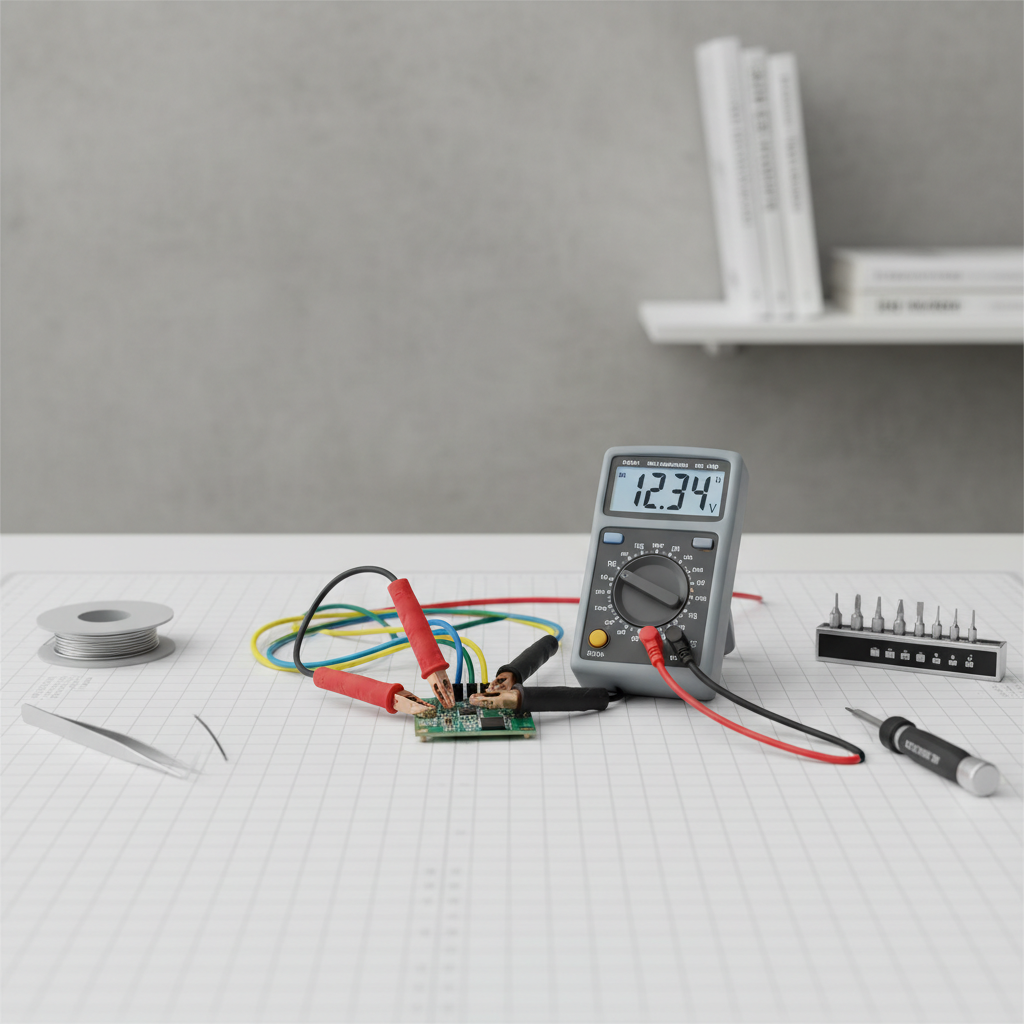
One quick note on safety, this article stays practical, but it can’t replace lab procedures or electrical codes. If you’re testing mains voltage or anything high-energy, it’s smart to use properly rated leads and consult a qualified electrician or technician when unsure.
Why insulation matters more than “covering the metal”
Insulation on clips is not cosmetic, it’s risk control and workflow speed. A decent jacket reduces accidental contact with adjacent conductors, keeps fingers off live metal, and helps the clip land where you aim instead of biting the nearest shiny thing.
- Short prevention: Insulated barrels reduce the chance two clips touch when you’re crowded near headers or screw terminals.
- Hand protection: A longer insulated sleeve helps keep fingers behind a safer boundary, especially during repetitive probing.
- Strain relief: Better sets integrate a boot that reduces wire fatigue right at the clip, where breaks usually start.
- Cleaner readings: A stable bite reduces micro-slips that can make continuity and resistance readings jumpy.
According to OSHA, working on or near energized parts requires appropriate protective measures and work practices, and even “low-voltage” setups can cause burns or equipment damage if current is high. Clip insulation is one small piece of that overall picture.
What to look for in an insulated alligator clip set (real-world specs)
Product listings love vague phrases like “heavy duty” and “fully insulated.” The details that tend to matter in the shop are simpler: jaw geometry, spring strength, conductor size, and whether the insulation actually covers the risky areas.
Jaw bite, teeth shape, and contact material
For small-gauge wires and PCB pins, you want teeth that grab without chewing. Serrated jaws are common, but softer plating can wear fast. Copper alloy or brass bodies with decent plating often perform better than thin stamped steel that flexes.
Wire gauge and flexibility
If the set includes leads, check the wire gauge and strand count. Thicker isn’t always better, stiff leads tug clips off test points. For bench work, flexible silicone insulation often behaves better than rigid PVC.
Insulation coverage and boot design
“Insulated” can mean the barrel is covered while the jaw hinge remains exposed. That might be fine at low voltage on a clean bench, but it’s not the same as a shrouded design. Look for sleeves that extend close to the jaw base and don’t slide back easily.
Voltage and current ratings (when they exist)
Many generic sets have no meaningful rating. That’s a signal to keep usage conservative. If you need rated leads, look for established electrical test lead standards and clearly stated categories from the manufacturer, and when in doubt, ask a professional for guidance for your specific environment.
Quick self-check: which clip set do you actually need?
If you’re not sure what to buy, answer these in order. Your use case usually points to one or two “must-have” traits, and you can stop overthinking the rest.
- Are you mostly on breadboards/PCBs? Favor smaller jaws, lighter springs, and flexible leads to avoid pulling parts loose.
- Automotive or marine troubleshooting? Favor stronger springs, corrosion-resistant plating, and longer leads that reach around panels.
- Bench power supply experiments? Favor insulation coverage, strain relief, and clip bodies that don’t twist when you bump the wire.
- Frequent swapping between points? Favor comfort, easy pinch action, and consistent jaw alignment so clips don’t “walk” sideways.
- Higher energy circuits (big batteries, motors)? Favor robust conductors and cautious, rated accessories, and consider professional input.
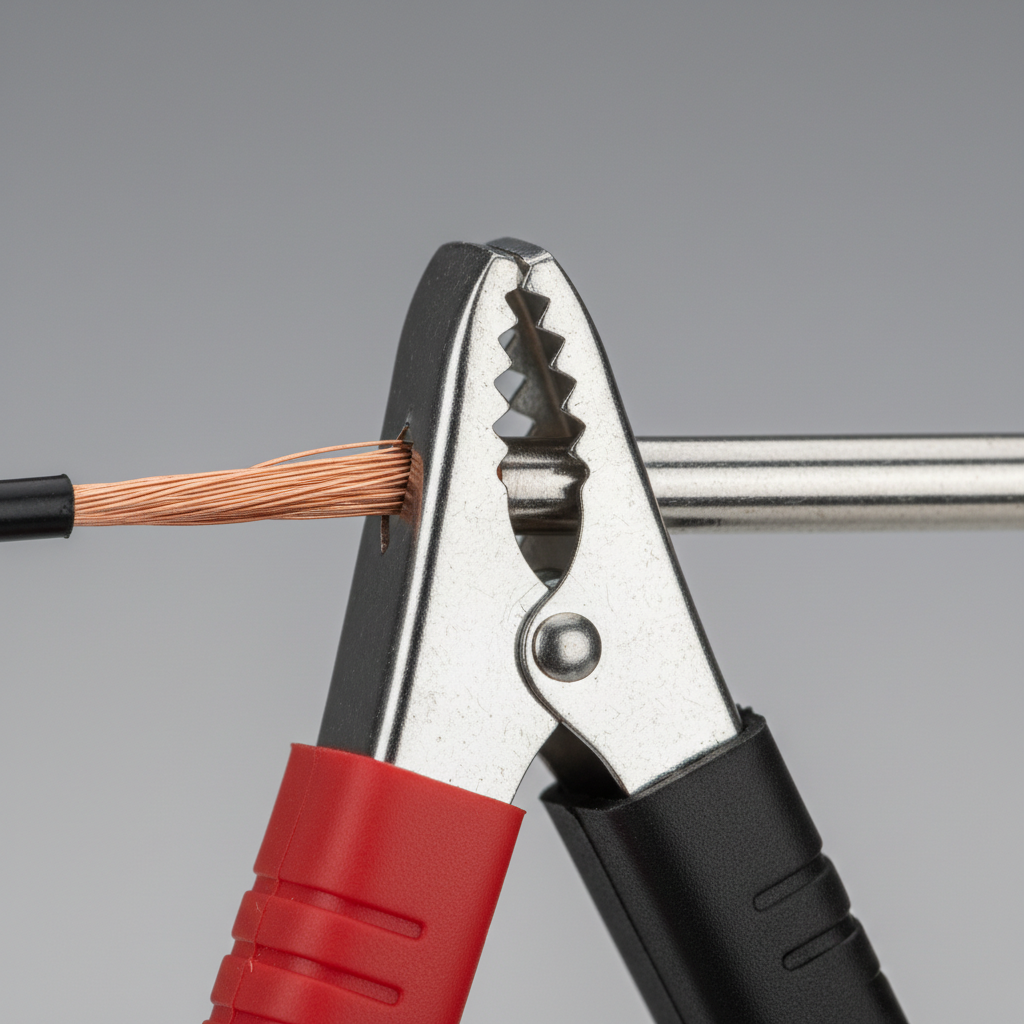
If your answers mix categories, prioritize safety and consistency, a slightly nicer alligator clip set insulated often costs less than the time you lose chasing intermittent contacts.
Comparison table: common insulated clip set types
Here’s a practical way to compare what you’re seeing online. These are patterns, not guarantees, since build quality varies by brand and batch.
| Type | Best for | Typical strengths | Common drawbacks |
|---|---|---|---|
| Mini insulated clips | PCBs, headers, small wires | Precision bite, less pull force | Lower grip on thick terminals |
| Standard insulated clips | General bench testing | Balanced grip and coverage | Varies widely in plating quality |
| Heavy-duty insulated clips | Automotive, battery work (cautious use) | Strong springs, thicker conductors | Can damage small pins, bulkier |
| Silicone lead sets with insulated clips | Frequent repositioning, tight benches | Flexible, heat-tolerant jacket | Higher price, easier to nick if abused |
How to use insulated alligator clips for more reliable testing
Most “bad clips” complaints are really setup issues: too much side load, oxidation at the contact point, or clipping onto insulation by accident. A few habits make clips feel dramatically more dependable.
Step-by-step setup for stable contact
- Clip metal to metal: confirm the jaw teeth land on conductor, not on lacquer, solder mask, or grime.
- Reduce sideways pull: route the lead so it drops naturally, not at an angle that twists the jaw.
- Support the board: if you clip to a PCB, stabilize it so the clip’s spring force doesn’t flex solder joints.
- Use paired colors: keep red/black consistent, it prevents “quick mistakes” during repeated measurements.
Two small tricks that save time
- Pre-tin sacrificial pigtails: for delicate points, clip onto a short pigtail instead of directly onto a pad.
- Clean contact points lightly: a quick wipe can remove oxidation that causes flaky continuity readings.
According to NIST, measurement quality depends on stable connections and minimizing unwanted contact resistance, which is exactly where decent clips and good setup habits help.
Mistakes buyers make (and how to avoid them)
A lot of sets look identical in photos, but the failure modes are predictable. If you want an insulated set that stays usable, watch for these.
- Assuming “insulated” means “rated for anything”: insulation reduces touch risk, it doesn’t automatically make a lead safe for high-voltage categories.
- Ignoring jaw alignment: misaligned jaws bite unevenly, causing intermittent readings and faster wear.
- Buying only for max current: huge clips can be annoying on small test points, and they can crack fragile components.
- Overlooking strain relief: the wire-to-clip transition is where breaks start, especially if you coil leads tightly.
- Mixing cheap adapters: stacking banana-to-clip-to-hook adapters adds resistance and wobbly joints.
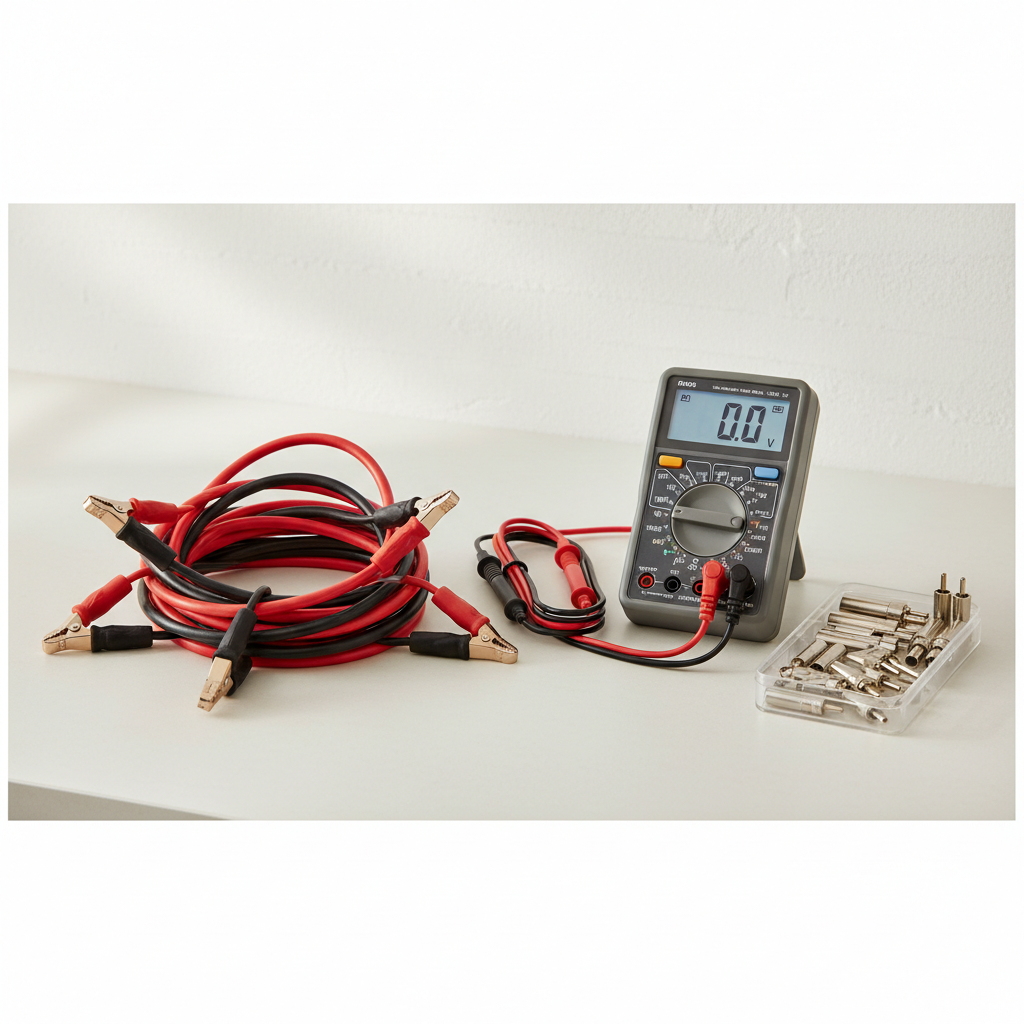
Key takeaway: a well-made alligator clip set insulated should feel boring in use, steady grip, no random slipping, no hot spots at normal loads, and insulation that stays put.
When you should upgrade or ask a pro
If you’re using clips for anything beyond low-voltage electronics, pause and confirm your risk level. In many cases, the safest move is not “a better clip,” it’s a different tool entirely, like properly rated test probes, fused leads, or terminal blocks.
- Stop and upgrade if clips get warm, the insulation slides back, or the conductor shows broken strands near the boot.
- Be cautious around mains voltage, high-current battery systems, and motor drives, mistakes can escalate quickly.
- Consider professional help if you’re troubleshooting unknown wiring, breaker panels, or any system where you can’t confidently identify hazards.
According to NFPA guidance commonly referenced for electrical safety practices, controlling exposure to energized conductors is a core principle. If your setup relies on “being careful,” it may be time to rethink the approach.
Wrap-up: choosing a set that feels safe and works fast
An insulated clip set is worth buying when it reduces two things at once, accidental contact and wasted time chasing unstable readings. If you mainly do electronics bench work, prioritize flexible leads, good jaw alignment, and insulation that doesn’t creep. If you’re in automotive or field troubleshooting, spring strength and durable plating start to matter more.
If you want a simple next step, audit your current leads for loose boots, bent jaws, and stiff cracked wire, then replace the weakest link first, usually the clips themselves.
FAQ
What does “insulated” mean on an alligator clip set?
Usually it means a plastic or rubber sleeve covers the clip body to reduce accidental contact. Coverage varies, some sleeves leave hinge areas exposed, so it’s smart to look closely at photos and product drawings.
Are insulated alligator clips safe for mains voltage?
Sometimes they can be part of a safe setup, but only if the entire lead assembly is properly rated and used with appropriate procedures. Many generic sets lack clear ratings, so for mains work it’s often better to use certified test leads and consult a qualified professional.
Why do my clips slip off test points?
Common causes include side tension from stiff wire, oxidized contact surfaces, and jaws that don’t align. Re-routing the lead to remove twist and cleaning the contact point usually helps more than people expect.
Do mini alligator clips work for multimeters?
Yes, if you have the right adapters and the clip makes solid metal contact. For small PCB pins, minis can be easier to control than full-size clips, especially when you’re measuring without a third hand.
How can I tell if a clip set is “good quality” before buying?
Look for clear wire gauge info, silicone lead material if flexibility matters to you, boots that appear molded or firmly fitted, and photos showing thick jaw metal and clean alignment. Vague specs and overly edited images are often a warning sign.
What maintenance helps insulated clips last longer?
Store leads loosely coiled, avoid pulling wires to remove a clip, and wipe jaws occasionally so they don’t build up oxidation or residue. If the insulation slides or cracks, replacement is usually safer than patching.
Can alligator clips affect resistance measurements?
They can, contact resistance and unstable bite can add variability, especially at low ohms. For more demanding measurements, use a more controlled connection method or consider techniques like four-wire measurement if your instrument supports it.
If you’re equipping a bench or assembling a kit for field troubleshooting, an insulated clip set is an easy upgrade that reduces annoying mistakes. If you’d rather not guess, choose a set with clear lead specs, solid insulation coverage, and a clip size matched to your typical test points, it’s usually the difference between “fine for one project” and “reaches for it every week.”