
Grabber tool long reach foldable models solve a simple but annoying problem: you need to pick something up, but bending, stretching, or climbing feels risky, uncomfortable, or just inconvenient.
If you have back pain, limited mobility, a busy garage, or a home with high shelves, a long-reach grabber can turn “I’ll deal with it later” into a 10‑second task. The foldable part matters too, because storage is usually the reason people stop using a tool that otherwise works.
That said, not all grabbers behave the same. Some clamp well but feel heavy, some fold small but lose rigidity, and some “reach” far but twist when you try to lift anything heavier than a sock. This guide breaks down what actually changes between designs, how to check fit fast, and how to use one safely day to day.
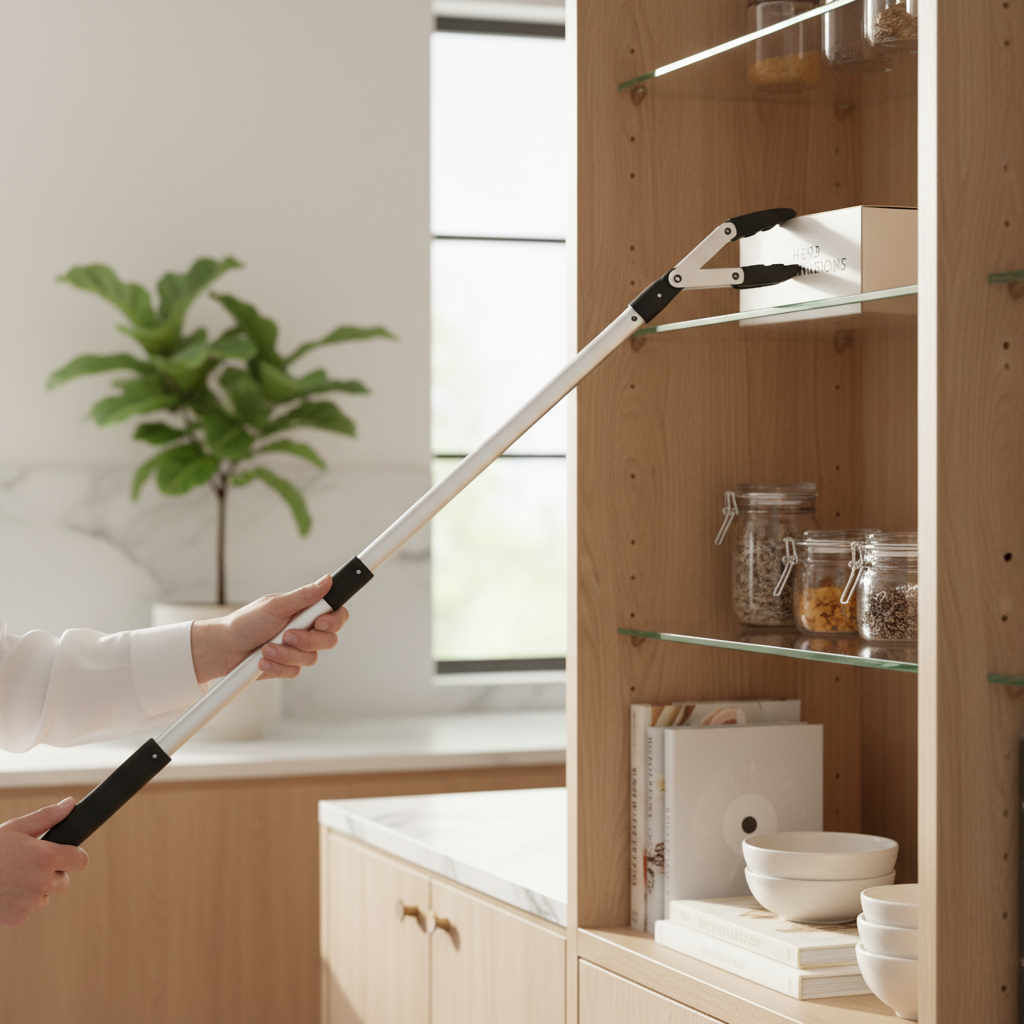
Why people choose a foldable long-reach grabber (real-world reasons)
Most shoppers start with “I need more reach,” but the buying decision usually comes from one of these situations.
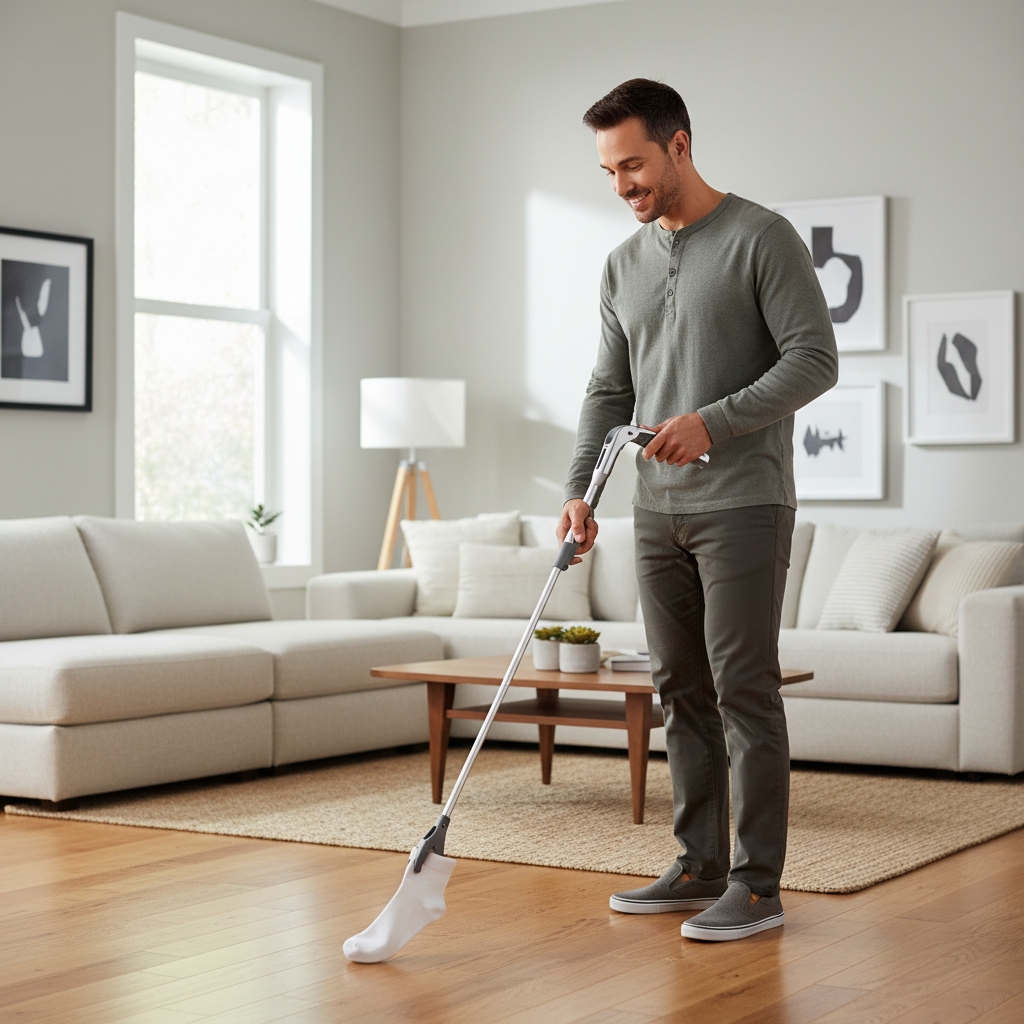
- Reducing strain: Picking up laundry, pet toys, or dropped items without deep bending can lower discomfort for many people, though individual conditions vary.
- Safer access: A grabber can reduce the temptation to stand on a chair for light items, which is where a lot of at-home accidents happen.
- Cleaner tasks: For trash pickup in the yard or garage, it adds distance from sharp or dirty objects.
- Storage constraints: Foldable designs fit in a drawer, tote, wheelchair bag, or car trunk, so the tool actually stays nearby.
According to CDC, falls are a leading cause of injury among older adults, so anything that reduces risky reaching or climbing can be worth considering in the right context.
Key features that make or break performance
On product pages, many grabbers look identical. In use, a few specs and design choices matter far more than the marketing words.
Reach length vs. control
Longer reach helps, but extra length can reduce control if the shaft flexes. If you frequently pick items from the floor, a moderate reach may feel steadier than the longest option available.
Jaw design and grip surface
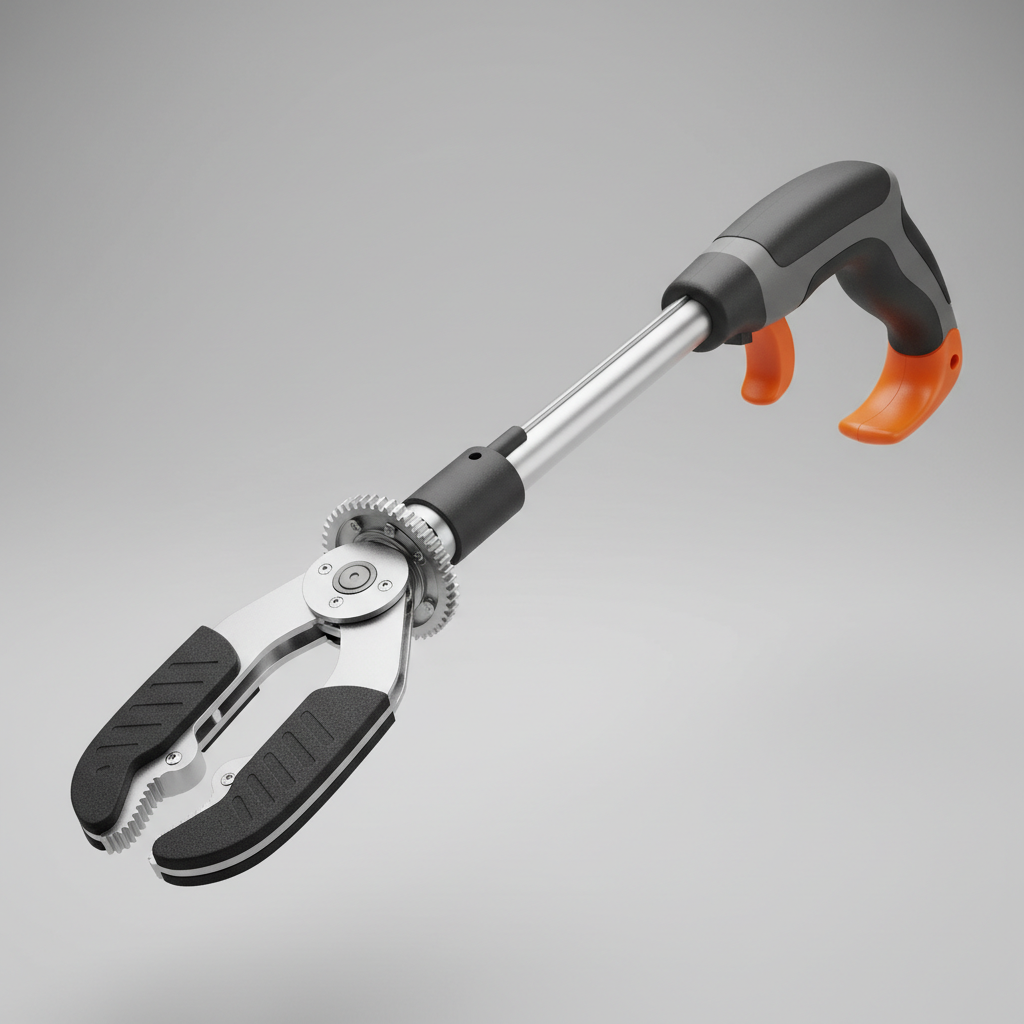
Look for jaws that match your typical items: wide jaws for larger objects, narrower jaws for small items like pills, screws, or a TV remote. Rubberized or textured pads often help with smooth packaging and slippery plastics.
Rotation and angle options
Some heads rotate 90 or 360 degrees. This sounds minor until you try to retrieve something from behind a toilet tank or between car seats, where wrist angle becomes the problem, not distance.
Trigger feel and return spring
If you’ll use it frequently, trigger comfort is not a luxury. A stiff trigger can cause hand fatigue, especially for users with arthritis or reduced grip strength.
Fold mechanism and “rigidity penalty”
A fold joint is convenient, but it can be the weakest point. A good fold latch should feel positive and stable, with minimal wobble when extended.
Quick self-check: which type of grabber fits your situation?
If you want a fast way to avoid a “looks good, feels wrong” purchase, use this checklist before you decide.
- Your main task: floor pickup, high shelf retrieval, yard cleanup, or multi-purpose?
- Typical object: light (paper, clothes), medium (cans, small bottles), awkward (keys, coins), or slippery (plastic packaging)?
- Hand comfort: any pain, reduced strength, or need for a softer trigger pull?
- Storage reality: will it live in a drawer, car, closet, or hang on a hook?
- Environment: indoors only, outdoors, or mixed use where dirt and moisture matter?
If your goal is mostly convenience and light pickup, many foldable models work fine. If you expect frequent use or heavier items, prioritize rigidity, jaw grip, and trigger comfort over “extra features.”
Comparison table: what to prioritize by use case
Use this as a practical filter when several products seem similar.
| Use case | Top priorities | Nice to have | Watch outs |
|---|---|---|---|
| Picking up from the floor | Steady shaft, strong jaw grip, comfortable trigger | Magnet tip for small metal items | Too long can feel wobbly and inaccurate |
| High shelves / closets | Reach length, rotating head, secure fold lock | Hook feature for pulling light items forward | Thin items can slip if jaw pads are smooth |
| Outdoor litter pickup | Durable jaws, easy cleaning, corrosion resistance | Replaceable pads | Sharp objects, glass, needles require extra caution |
| Limited mobility / rehab support | Low-effort trigger, lightweight build, predictable control | Wrist-friendly angled handle | Overreaching can still strain shoulders |
| Car / travel tool | Folded size, quick deploy, decent grip for small items | Carry sleeve | Fold joints can loosen over time |
How to use a foldable long-reach grabber effectively (step-by-step)
A grabber looks self-explanatory, but small technique changes improve control and reduce strain.
1) Lock it fully before you reach
Extend and confirm the fold latch seats firmly. If there is any play at the joint, keep loads lighter and avoid twisting motions.
2) Approach the item straight-on
When the jaws come in at an angle, objects roll or slip. For coins, keys, and thin packaging, it helps to “pin” the item gently against a flat surface first.
3) Use the rotation feature instead of your wrist
If your model rotates, rotate the head to match the surface, then squeeze. This often feels easier than contorting your wrist and shoulder.
4) Lift close, not far out
After you grab something, bring it closer to your body before lifting higher. That reduces leverage on your shoulder and the shaft.
5) Keep expectations realistic on weight
Many grabbers handle light to medium items well. For heavier objects, test carefully over a soft surface first, because grip failure can happen suddenly.
Common mistakes and safety notes (what usually goes wrong)
Most frustration comes from a few predictable missteps, and they’re easy to avoid.
- Using it like pliers: A grabber is for gripping, not prying. Prying stresses the jaws and the fold joint.
- Twisting under load: Twisting increases the chance of slipping, especially with smooth or round objects.
- Reaching past comfort: Long reach can encourage overextension. If your shoulder or back feels strained, shorten the reach or reposition your body.
- Picking up hazardous items bare: For glass shards, sharp metal, or unknown waste, gloves and a rigid container are smarter, and in some scenarios you may need local disposal guidance.
For users managing pain, post-surgery recovery, or balance limitations, it’s usually wise to ask a clinician or occupational therapist which movements to avoid, because “safer” still depends on your condition.
Buying checklist: what to look for before you click “Add to Cart”
When you’re choosing a grabber tool long reach foldable for home use, a quick checklist beats reading 40 bullet points of generic claims.
- Fold lock feels secure: Look for a clear locking mechanism, not just friction.
- Jaw pads have texture: Helps with bottles, cans, and smooth packaging.
- Comfortable trigger travel: Especially if you’ll use it multiple times per day.
- Head rotation (if you need it): High shelves, tight corners, and behind-furniture retrieval benefit most.
- Warranty and replacement parts: Not mandatory, but it signals the product is meant for ongoing use.
Key takeaways (save this section)
- Reach is only half the story, control and jaw grip decide whether the tool feels “easy” or “fussy.”
- Foldable designs win on storage, but the fold joint should lock tight to avoid wobble.
- Technique matters, approach straight-on, rotate the head instead of your wrist, and lift close.
- Know your limits, avoid prying and twisting, and be cautious with sharp or contaminated items.
Conclusion: make the tool fit your routine, not the other way around
A foldable long reach grabber is at its best when it lives where the problem happens: by the laundry basket, in the car, near the pantry, or in the garage. Pick a model that matches your most common objects, then practice the “pin and grab” technique for small items and the “close lift” for anything heavier.
If you want the simplest next step, write down your top three pickup targets and where you’ll store the tool, then shop around those needs. It sounds basic, but it prevents the classic outcome: a grabber that technically works, yet stays in the closet because it’s awkward to use.
FAQ
What length is best for a foldable long reach grabber tool?
It depends on what you reach for most. For floor pickup, a moderate length often feels steadier; for high shelves, longer reach helps, as long as the shaft stays rigid when extended.
Do foldable grabbers feel weaker than fixed ones?
Many foldable designs can feel slightly less rigid because the hinge is a stress point. A strong locking latch and minimal wobble usually matter more than the fact that it folds.
Can a grabber pick up heavy items like gallon jugs?
Some can, but many struggle with heavier weights or smooth surfaces. If you try heavier items, test carefully close to the ground first, and avoid twisting while lifting.
How do I pick up a coin or a key with a grabber?
Angle the jaws to press the coin gently against the floor or a wall edge, then close the jaws slowly. Narrower jaws or better-textured pads make this easier.
Is a rotating head actually useful?
Yes, especially for tight spaces like behind furniture, between appliances, or high shelves where your wrist angle is awkward. If you only pick things up from the floor, it may be less important.
How should I clean a grabber used for outdoor trash?
Typically mild soap and water works, then dry fully to reduce corrosion risk. If the item involved unknown waste or contamination, consider disposable gloves and follow local disposal guidance.
Is this tool appropriate after surgery or for chronic pain?
It can be helpful, but movement restrictions vary a lot. If you have a specific medical situation, asking your clinician or occupational therapist is the safest way to confirm what reaching motions you should avoid.
If you’re trying to choose a grabber tool long reach foldable without guessing, it often helps to compare just a few models side-by-side using your real tasks: what you pick up, where you reach, and where you’ll store it. If you want, share your top use case and storage spot, and I can suggest what features to prioritize.