
Flat washer lock washer set purchases usually happen for one reason, you want fasteners that stay tight without chewing up the part, and you do not want to run back to the hardware store mid-job.
If you have ever tightened a bolt, walked away, then found the joint loose later, the washer stack is often part of the story. Flat washers spread load and protect surfaces, lock washers add spring and bite, but the “right” combo depends on vibration, material, and whether the joint should be reusable.
This guide breaks down what a combination set really covers, how to tell when you need it, and what to watch so you do not accidentally mask a bigger issue like wrong torque, poor thread engagement, or a joint design that needs a different locking method.
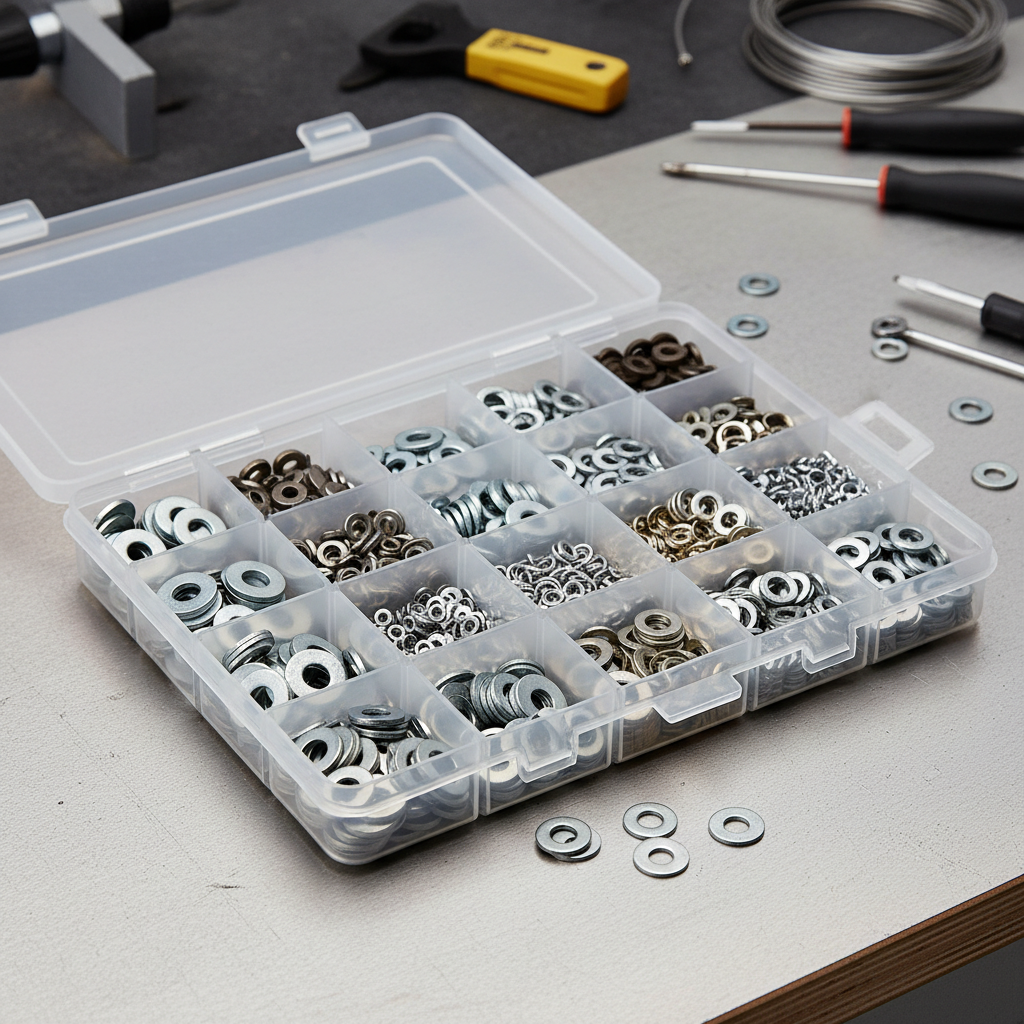
What a flat + lock washer combination actually does
A flat washer is the “surface manager”, it spreads the clamping force across a wider area, reduces marring, and can help with oversized holes. A lock washer is the “tension helper”, it adds a spring-like effect and, in some designs, adds a bit of biting action against the nut or bolt head.
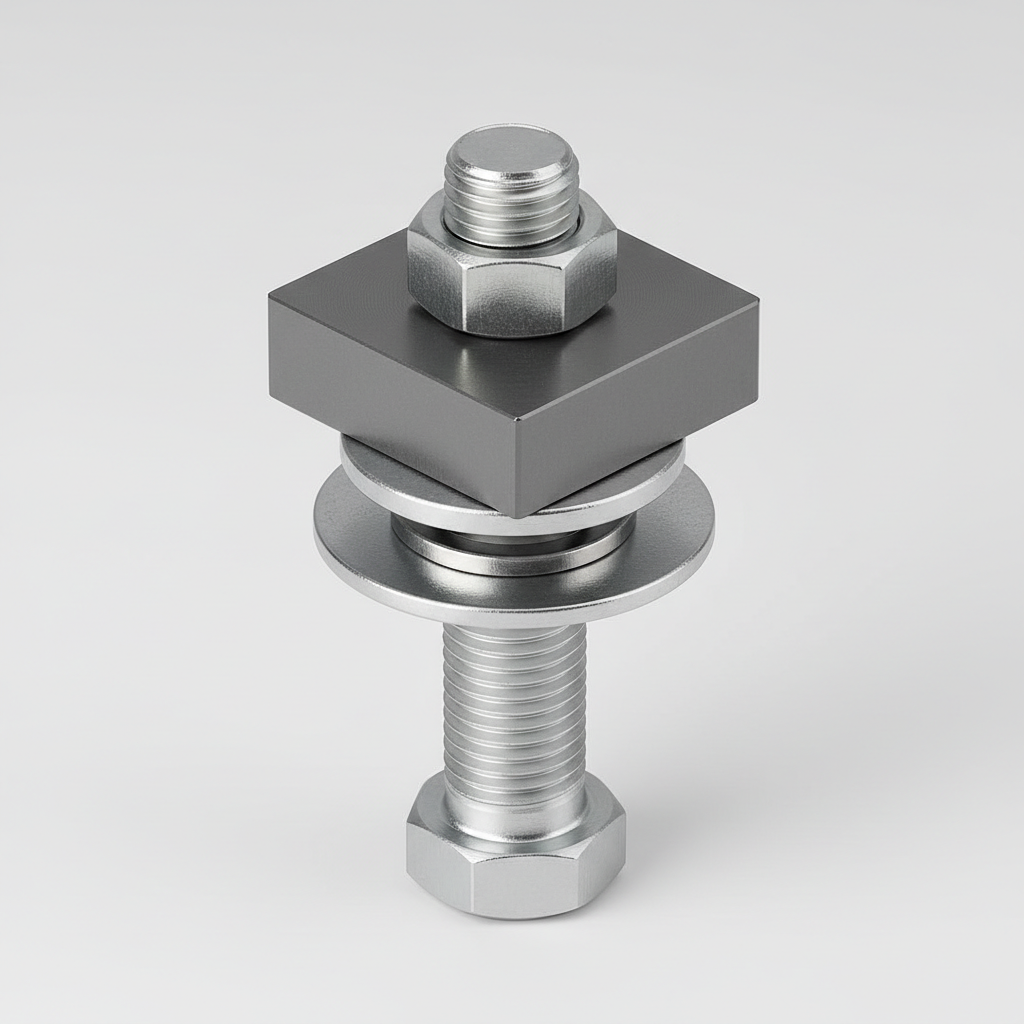
Used together, the flat washer typically sits against the softer or finished surface, while the lock washer sits closer to the rotating fastener, but real-world stacks vary by standard and application.
- Load distribution: flat washer reduces localized stress that can dent aluminum, plastics, paint, powder coat, or thin sheet metal.
- Resistance to loosening: lock washer can help in light vibration cases, especially where re-torque is possible.
- Assembly convenience: a set gives you common sizes in one place, helpful for maintenance teams and small-batch builds.
According to NIST (National Institute of Standards and Technology), proper torque and joint design are central to maintaining clamp load in bolted joints, washers are accessories, not magic fixes.
When a combination set makes sense (and when it does not)
A flat washer lock washer set is most useful when you handle mixed tasks, light fabrication, repairs, or equipment maintenance where you frequently swap sizes and materials.
But some assemblies simply do not benefit much from split lock washers. Many mechanics and engineers lean on alternatives when vibration is heavy or safety is critical, because maintaining clamp load is more complicated than adding a spring washer.
- Good fit: general machinery covers, brackets, small motors, shop fixtures, lawn equipment, non-critical automotive accessories.
- Maybe not ideal: high-vibration assemblies, structural connections, critical safety joints, joints with soft gaskets that creep over time.
- Usually avoid: brittle coatings or delicate finishes where lock washer teeth can scar surfaces, unless a flat washer is properly placed and you accept marks.
When stakes are higher, many shops shift to prevailing-torque nuts, threadlocker, serrated flange fasteners, Nord-Lock style wedge-lock washers, or redesigning the joint.
Quick self-check: do you need flat washers, lock washers, or both?
If you are unsure, this quick checklist gets you to a practical answer without overthinking it.
- Is the surface soft or finished? If yes, start with a flat washer to protect it.
- Is there vibration or thermal cycling? If mild, a lock washer may help, if heavy, consider a different locking method.
- Is the hole oversized or slotted? Flat washers often become mandatory to bridge and prevent pull-through.
- Do you need repeated disassembly? Mechanical locking can be easier than chemical threadlocker.
- Are you seeing loosening even after re-torque? That points to embedment, joint settling, wrong bolt length, or inadequate torque more than “missing washers.”
How to choose the right set: size, material, and finish
Most people buy a combo pack by bolt size, then regret it when the outside diameter is wrong for the bracket, or the material starts rusting. Here is what tends to matter most.
1) Size: inner diameter matters, but OD saves projects
- Inner diameter (ID): match to the bolt diameter and standard (SAE vs metric). A sloppy ID can shift the joint during tightening.
- Outer diameter (OD): larger OD spreads load better on thin material and slots, but can interfere with nearby parts.
- Washer thickness: thicker flat washers resist cupping, thin washers can dish and reduce clamp effectiveness.
2) Material: pick based on environment, not just strength
- Zinc-plated steel: common, affordable, decent for dry indoor use, can corrode outdoors over time.
- Stainless steel (often 18-8/304): better corrosion resistance, good for outdoor and marine-adjacent tasks, but galling can occur with stainless fasteners.
- Black oxide: low glare and light protection, not a true corrosion solution unless oiled.
3) Finish compatibility and galvanic concerns
Mixing metals is not always a problem, but outdoors or in wet environments, galvanic corrosion can show up, especially with aluminum parts and salty exposure. If your application is exposed, matching materials or using coated hardware often reduces headaches.
Washer stack order and installation tips that prevent loosening
This is where small habits make a big difference. A flat washer lock washer set helps only if the joint is assembled in a way that preserves clamp load.
- Typical order: rotating fastener (bolt head or nut) → lock washer → flat washer → work surface.
- Do not “double lock” by stacking lock washers: it often just increases variability and can damage surfaces.
- Seat the joint: snug, then torque to spec if available. If no spec exists, tighten consistently and recheck after initial run-in.
- Watch thread engagement: you usually want several full threads beyond the nut, too short can loosen regardless of washers.
- Clean threads: dirt, paint, or burrs change friction and torque-to-clamp behavior.
According to NASA (NASA Technical Standards), controlling preload and understanding how joints lose clamp load under vibration is critical in fastener reliability; hardware choices should follow the joint requirements, not the other way around.
A practical comparison table for common scenarios
If you are buying one kit for mixed work, use this as a quick “what do I reach for” reference.
| Scenario | Flat Washer | Lock Washer | Better Alternative (when loosening is severe) |
|---|---|---|---|
| Sheet metal bracket, painted surface | Yes, protects finish | Maybe, if marks acceptable | Flange nut or nylon-insert nut |
| Outdoor equipment, occasional vibration | Yes | Often helpful | Medium threadlocker + flat washer |
| Aluminum parts, slotted holes | Yes, larger OD preferred | Use cautiously | Serrated flange fastener with protective washer |
| High-vibration motor mount | Yes | Sometimes not enough | Wedge-lock washers or prevailing-torque nuts |
| Plastic enclosure | Yes, wide OD helps | Usually avoid | Thread-forming screws with proper bosses |

Buying and organizing tips for a combination set
A set is only convenient if you can find the right piece fast, and if the kit actually matches the fasteners you own.
- Match your standard: if your shop is mostly SAE, do not buy a metric-heavy assortment “just in case”, and vice versa.
- Check the range: many kits overfill tiny sizes and under-supply the 1/4 in, 5/16 in, M6, M8 sizes that disappear first.
- Prefer labeled compartments: it sounds basic, but unlabeled kits turn into mixed metal quickly.
- Buy refill packs: the best kit is the one you can maintain, not the one with the fanciest box.
Key takeaways: choose washers for the joint and environment, use flat washers to protect surfaces and control load spread, and treat lock washers as a light-duty helper rather than a universal fix.
When to step up to a different locking method (or ask for help)
If loosening creates safety risk, downtime, or repeat failures, it is worth pausing. Washers may not solve a joint that lacks adequate clamp load or has significant vibration.
- Seek a better fastener strategy if you see repeated loosening after correct torque, fretting, elongated holes, or cracked brackets.
- Consider consulting a mechanical engineer or qualified technician for critical assemblies, lifting equipment, vehicles, or any connection where failure could injure someone.
- Follow manufacturer specs when available, especially for automotive, pressure-containing equipment, and rotating machinery.
According to OSHA, employers must maintain safe workplaces, if fastener loosening can create hazards, it is reasonable to treat it as a safety and maintenance control issue rather than a “hardware preference.”
Conclusion: a combo set is handy, but the joint still comes first
A flat washer lock washer set is a smart bench staple for mixed repairs and light fabrication, because it keeps common sizes and a workable washer stack within reach. The win comes from choosing the right size and material, stacking in a sensible order, and tightening with consistent technique.
If you want one simple next step, open your kit and separate by standard and finish, then identify the 3–4 sizes you use most and keep refills on hand. You will feel the difference the next time a quick job stays quick.
FAQ
What is the correct order for a flat washer and a lock washer?
In many everyday assemblies, the lock washer sits under the rotating part, with the flat washer against the work surface. That said, certain standards and specialty washers change the stack, so check equipment documentation when it exists.
Do split lock washers actually prevent loosening?
They can help in light-duty situations, but they are not a cure-all for vibration. If joints repeatedly loosen, you usually need to review preload, torque method, thread engagement, or use a more robust locking approach.
Should I use a flat washer with a nylon lock nut?
Often yes, especially on softer materials or oversized holes, because the flat washer protects the surface and spreads load. The nylon lock feature handles loosening resistance, so a lock washer is typically unnecessary.
Is stainless better than zinc-plated for washer sets?
For corrosion-prone environments, stainless is often a safer pick. Indoors, zinc-plated steel is usually fine and cheaper, but mixing stainless hardware can introduce galling, so use reasonable lubrication or compatible materials when needed.
Can I reuse lock washers?
Many people reuse them in low-stakes work, but if the washer looks flattened, cracked, or the edges are chewed up, replacement is the smarter move. For critical joints, it is safer to follow manufacturer guidance.
What sizes should a good combination set include for home and shop use?
It depends on what you work on, but common coverage includes 1/4 in, 5/16 in, 3/8 in for SAE, or M6, M8, M10 for metric. If your projects cluster around a few sizes, a smaller, refillable kit beats an oversized assortment.
When should I use threadlocker instead of a lock washer?
If vibration is consistent, space is tight, or you want a cleaner stack height, medium-strength threadlocker is often chosen. Follow label instructions and avoid it where frequent disassembly or chemical exposure makes it unreliable.
If you are building a small shop kit or stocking maintenance shelves, a combination assortment can be a low-friction way to cover the sizes you actually touch, and if you tell me your typical bolt sizes and whether you work indoors or outdoors, I can help narrow the set specs so you do not buy a box full of sizes you never use.