
Electrical tape black white is one of those small purchases that turns into a bigger decision the moment you start labeling circuits, bundling conductors, or insulating a quick repair and wonder, “Does color actually matter?”
It does, but not always in the way people assume. Color can be about identification, sometimes about UV exposure, and only indirectly about insulation quality. What matters most is the tape’s rating, adhesive performance, temperature range, and whether it’s even the right product for the job.
This guide breaks down when black or white tape makes sense, what to check on the label before you buy, and how to apply it so it stays put instead of peeling off a week later.
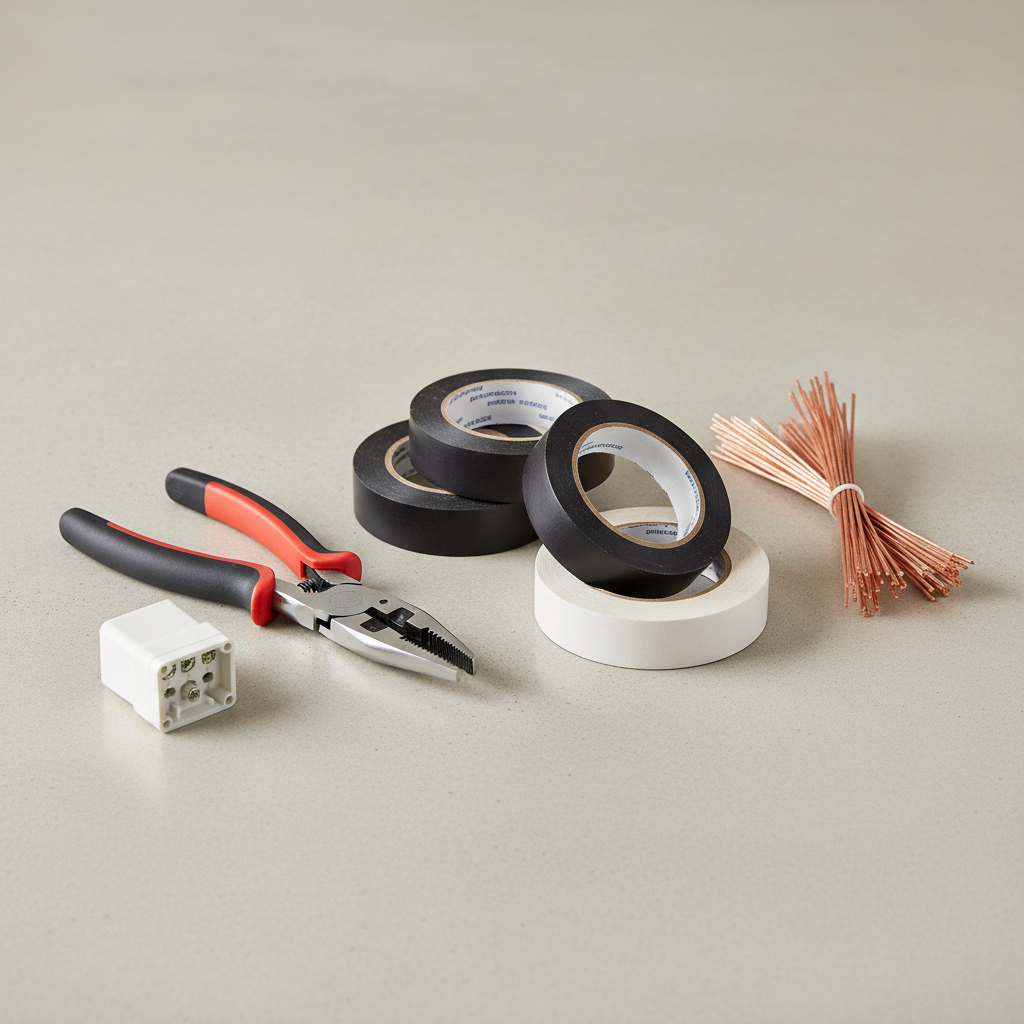
Why black vs. white tape comes up so often
Most people reach for tape when they need insulation fast, or when they want a quick visual cue. That’s why color becomes the headline, even though the spec sheet should be.
In many U.S. residential and light commercial settings, black tape often gets used for general-purpose bundling and insulating, while white tape tends to show up for identification or situations where you want higher visibility on a darker background. But there’s no magic insulation upgrade simply because the roll is white.
According to NFPA (National Fire Protection Association), safe electrical work relies on using materials in a way that aligns with applicable codes and safe work practices, which in real life means you should treat tape as a supplement, not a replacement for proper connectors and enclosures.
What “good insulating tape” really means (specs that matter)
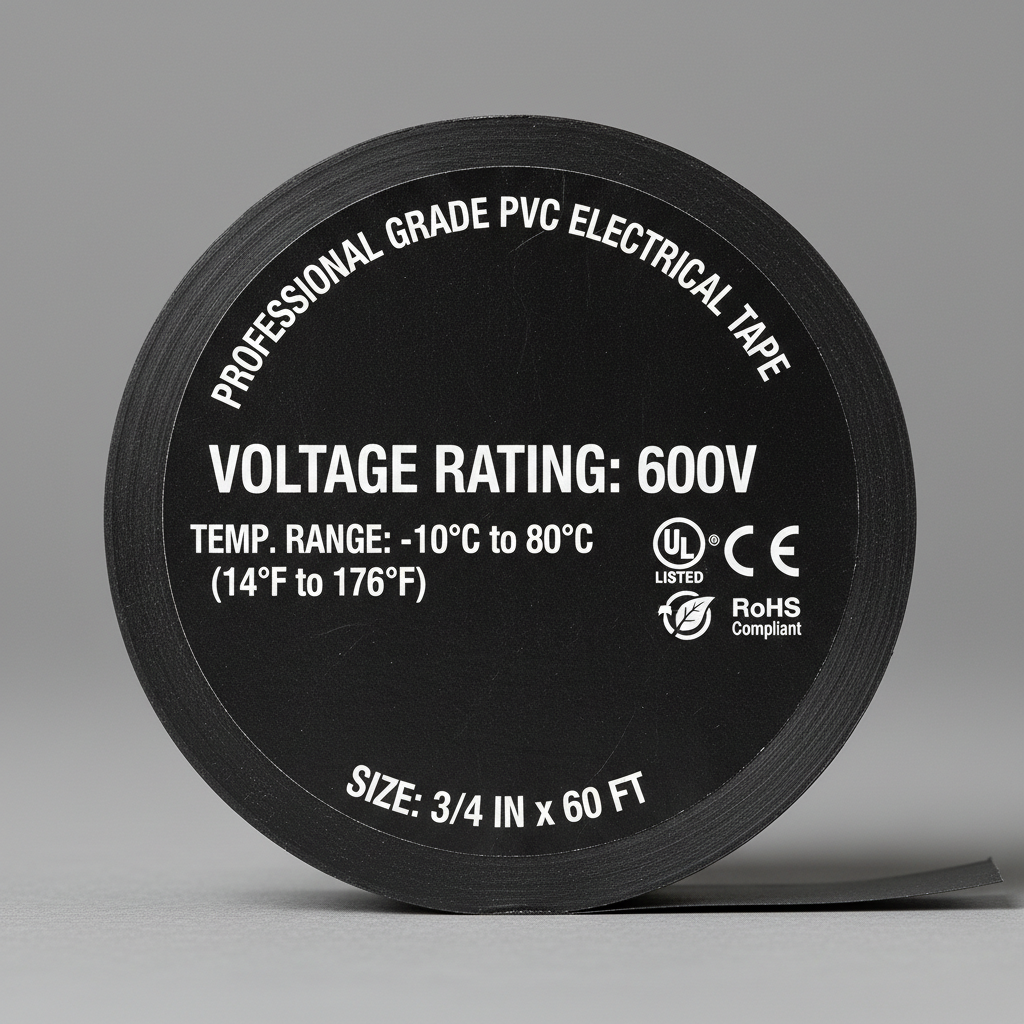
If you want electrical tape to insulate, you’re betting on three things: dielectric strength, adhesion over time, and temperature performance. Color is not the deciding factor, the printed rating usually is.
- Voltage rating: Common premium vinyl tapes are often listed around 600V for general electrical insulating, but always verify the packaging for your exact product.
- Temperature range: Attics, garages, and outdoor conduits can run hot or swing cold, cheap tape gets brittle or gooey.
- Material: Vinyl (PVC) is common for general electrical work, rubber splicing tape is better for moisture-sealing when used correctly.
- UL listing / certification marks: Look for recognized safety certifications on the roll label, not just “heavy duty” marketing language.
- Adhesive quality: The best tape feels boring, it stretches evenly, sticks without sliding, and doesn’t ooze adhesive after heat exposure.
If you’re comparing electrical tape black white options on a shelf, the fastest way to avoid regret is to ignore the color first and scan for rating, temperature range, and certification marks.
Black vs. white electrical tape: practical differences you’ll notice
In day-to-day use, black and white rolls can behave the same if they’re the same product line. Differences usually show up in visibility, dirt, and sunlight handling, not in basic insulation.
Black tape: where it usually fits
- General purpose indoor work: quick bundling, strain relief support, minor jacket repairs.
- Less visible grime: in garages, basements, tool bags.
- Often easier to match existing harnesses: especially in older installs where black is common.
White tape: where it earns its keep
- High visibility labeling: easier to write on with a marker for quick circuit notes.
- Contrast on dark surfaces: useful when you want your wrap to be obvious during inspection or troubleshooting.
- Clean look in finished spaces: though it shows dirt faster.
One nuance people miss: if the tape sits in direct sunlight, UV exposure becomes the problem. Some tapes handle it better than others, and that’s brand and product-line specific. Always check whether the tape is rated for outdoor/UV use rather than assuming black automatically wins.
Quick decision table: which tape color and type for which job
Here’s a practical cheat sheet. It won’t replace local code or a licensed electrician’s judgment, but it stops the common “wrong tape for the job” mistake.
| Task | Black tape | White tape | Better alternative (when applicable) |
|---|---|---|---|
| Bundle low-voltage cables (AV, ethernet bundles) | Good if low residue | Good for labeling | Hook-and-loop ties for easy changes |
| Insulate a small nick in outer cable jacket | Usually fine if rated | Fine if rated | Heat-shrink tubing for cleaner seal |
| Mark a re-identified conductor (where permitted) | Common practice in some cases | Often used for visibility | Proper color-coded sleeving/markers |
| Temporary wrap on a tool cord strain area | Okay short-term | Okay short-term | Replace cord or use repair kit |
| Moisture-prone splice repair | Not ideal alone | Not ideal alone | Rubber splicing tape + vinyl overwrap, or sealed connector |
Self-check: are you using tape for insulation, or to “hide a problem”?
This is the moment to be honest. Tape is great at organizing and adding a protective layer, but it’s a poor substitute for the correct connection method.
- You’re in good territory if you’re covering minor jacket scuffs, bundling conductors, adding identification, or overwrapping a proper splice.
- You’re in risky territory if you’re wrapping bare copper, taping a loose twist connection, or using tape to “seal” something that should be inside a junction box.
- You should pause if the area smells hot, shows discoloration, trips breakers, or the insulation looks melted.
According to OSHA, electrical safety depends on controlling exposure to energized parts and using appropriate protective measures. If you’re not sure whether what you’re covering is safe, power off and reassess rather than adding more layers.
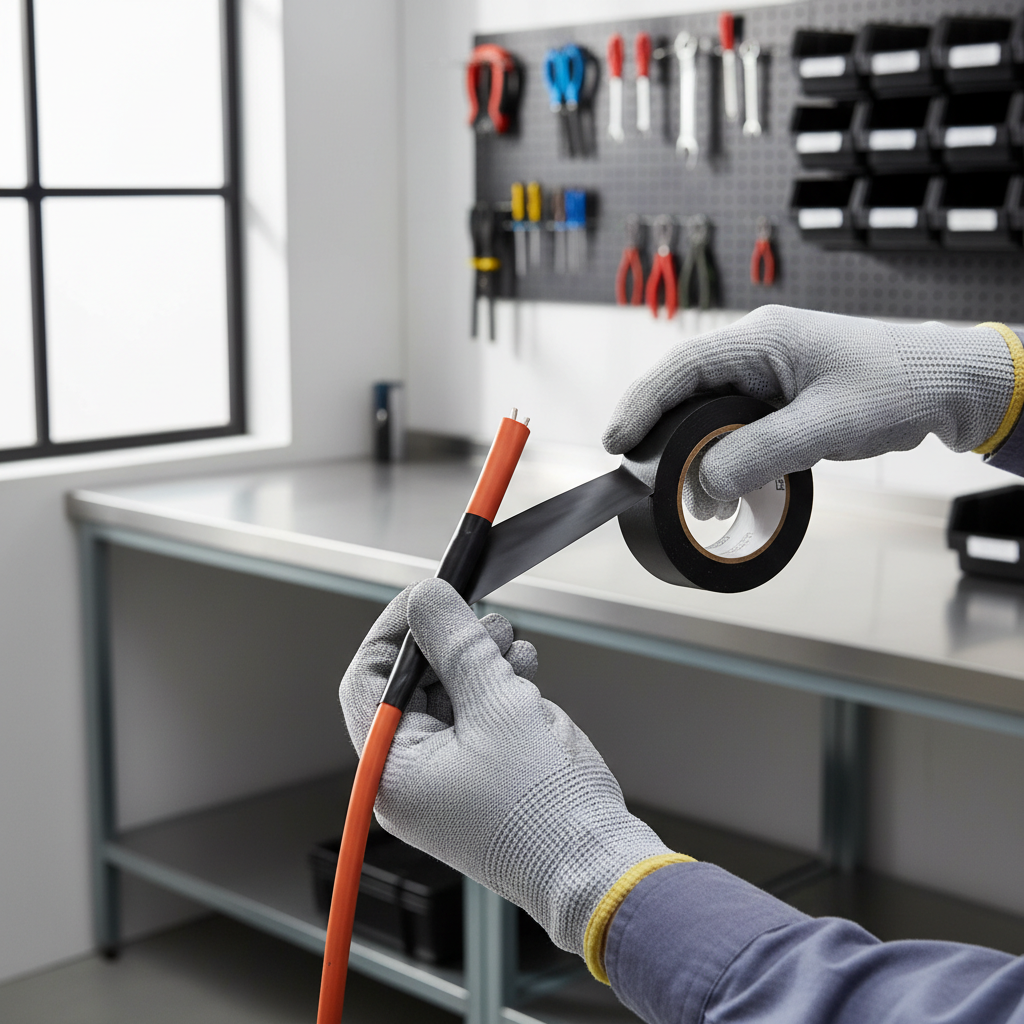
How to apply electrical tape so it actually insulates (and stays on)
Electrical tape black white performs best when the surface is clean, dry, and the wrap has tension control. Most failures come from oily insulation, rushed wraps, or ending the tape without locking it down.
Step-by-step wrap that holds
- De-energize the circuit and verify with an appropriate tester if you’re near conductors. If you’re not comfortable doing that, consider calling a pro.
- Clean the surface with a dry cloth, if it’s oily or dusty the adhesive never bonds well.
- Start on intact insulation and overlap onto the damaged area, don’t start the wrap on the “problem spot.”
- Stretch slightly, don’t over-stretch, you want conforming tension, not a thin band that rebounds and peels.
- Use a half-lap overlap, each wrap covers about half the previous wrap, giving a consistent thickness.
- Finish with pressure, press the end down firmly for a few seconds, especially in cooler temps.
If you’re wrapping a splice, the more reliable approach is usually connector first, tape second. Tape adds abrasion resistance and helps keep edges from snagging, but it shouldn’t be the only thing holding the conductors together.
Common mistakes with black and white tape (and what to do instead)
- Using tape as a primary splice: If wires are just twisted and taped, re-do it with an approved wire connector or terminal method, then overwrap if needed.
- Wrapping heat sources: Near ballasts, motors, or hot attic runs, pick a tape rated for the temperature, or switch to heat-shrink where appropriate.
- Assuming “white means neutral” everywhere: Color conventions can vary by system and context, and re-identification rules can be specific. Treat tape color as a label, not proof.
- Outdoor use without UV/weather rating: Use products explicitly marked for outdoor exposure, or protect the area with proper conduit/enclosure.
- Cheap tape that unravels: If it feels stiff, tears unevenly, or leaves heavy residue, step up to a better grade, it usually saves time.
When to stop DIY and call a licensed electrician
Some situations are less about tape and more about safety. If any of these show up, it’s usually worth professional help.
- Repeated breaker trips after you “fixed” something with tape
- Aluminum wiring or unknown conductor material in older homes, connection methods can be specific
- Burn marks, melted insulation, arcing sounds, or a persistent hot smell
- Wet locations where you can’t confirm the splice method and enclosure are appropriate
- Panel work or anything near service equipment, the risk profile changes fast
According to NECA (National Electrical Contractors Association), many electrical installation and workmanship practices depend on using the correct materials and methods for the environment. If the environment is harsh or the circuit is critical, a quick tape wrap is rarely the right “finish line.”
Key takeaways (what to remember in the aisle)
- Color helps you see and label, but the rating and certification marks decide whether tape is appropriate for insulating.
- Black and white can perform the same when they’re the same tape series, don’t assume color equals quality.
- Use tape to protect and identify, not to replace connectors, boxes, or proper terminations.
- Application matters, clean surface, controlled stretch, consistent overlap.
Conclusion: choose color for clarity, choose specs for safety
Most shopping decisions around electrical tape black white get easier when you separate two goals: identification and insulation. Pick black or white based on how you want the work to read later, then pick the tape based on voltage rating, temperature range, and whether the job is indoor, outdoor, or moisture-prone.
If you want a simple next step, check your tape roll for the rating you need, then redo any “tape-only splices” using proper connectors before you overwrap for protection.
FAQ
Is black electrical tape better than white for insulation?
Not automatically. If both are the same product line and rating, they typically insulate similarly. The key is the tape’s listed voltage, temperature range, and certification marks, not the pigment.
Can I use white electrical tape to label wires in my home panel?
You can use it for labeling in many situations, but panel work carries higher risk, and identification practices can be code-sensitive. If you’re unsure, it’s smart to consult a licensed electrician before changing markings.
Does electrical tape work as a permanent fix for damaged wire insulation?
For small jacket nicks on otherwise intact insulation, tape can be a reasonable protective layer. For cuts that expose conductor or damage that keeps spreading, replacement or proper repair methods like heat-shrink often hold up better.
What should I look for on the package when buying electrical tape?
Look for the voltage rating, temperature rating, material type (vinyl vs. rubber splicing), and recognizable certification marks. Those tell you more than “heavy duty” wording.
Can I wrap electrical tape on wet wires?
It’s a bad idea in most cases because adhesion suffers and moisture can get trapped. De-energize, dry the area, and consider sealed connectors or rubber splicing tape systems intended for moisture exposure.
Why does my tape peel off after a few days?
Usually it’s oil/dust on the insulation, over-stretching, or using low-grade tape that can’t handle heat cycles. Cleaning the surface and using a half-lap wrap with moderate tension typically improves hold.
Is electrical tape safe for outdoor use?
Sometimes, if the product is marked for outdoor/UV resistance and the application makes sense. Many indoor-only vinyl tapes degrade in sunlight, so check the label and consider added protection like conduit or an enclosure.
If you’re trying to pick a roll that won’t unravel, label cleanly, and still handle real-world heat and dust, it helps to choose tape by rating and environment first, then decide whether black or white gives you the clearest install to troubleshoot later.