
The best pole saw for high branches is the one that matches your real reach needs, your comfort level holding weight overhead, and the type of cuts you make most often, not just the one with the longest spec sheet.
If you’ve ever stood under a tall oak with a too-short tool, you already know the trap, you either climb when you shouldn’t, or you overreach and lose control. A good pole saw helps you stay on the ground, but it also introduces new risks like kickback and falling limbs, so picking the right setup matters.
This guide focuses on what actually changes the day-to-day experience: usable reach, balance, head angle, power source, bar length, and safety details you’ll appreciate after the first hour. I’ll also point out a few common buying mistakes that waste money, especially for homeowners who only prune a few times per year.
What “high branches” really means (and why advertised reach can mislead)
When brands say “12 ft pole” or “15 ft reach,” that number often assumes an average user holding the tool at a certain angle, with arms extended, on level ground. In real yards, slopes, shrubs, and branch angles change everything.
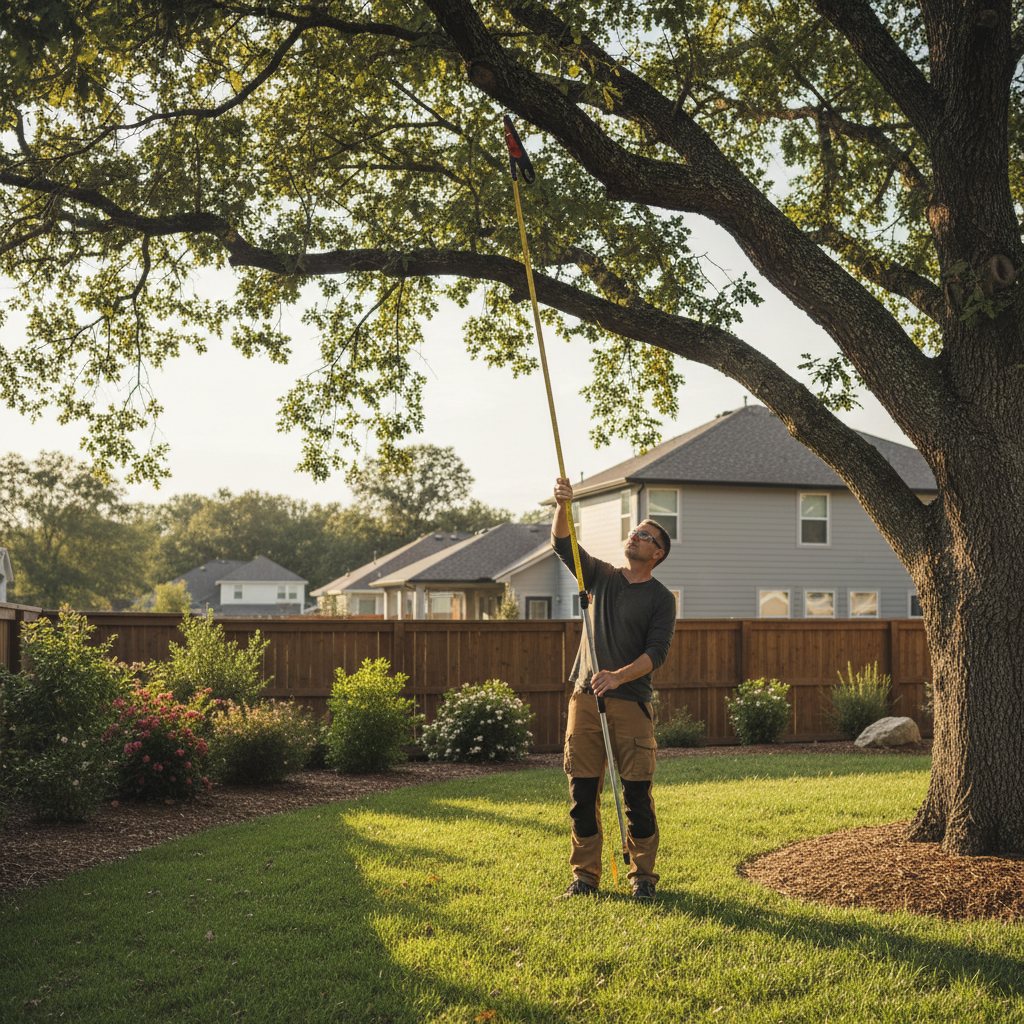
A more useful way to think about it is cut height: the highest branch you can cut while keeping your feet planted and your hands in a stable position. Many people find their practical cut height is a few feet lower than the max marketing number, simply because holding a tool overhead gets tiring fast.
Also, branch height is only half the story. If you need to reach out over a fence or a shrub bed, you’ll be extending the pole more horizontally, which reduces control and increases fatigue.
- Good rule of thumb: plan for less than advertised “reach,” especially with heavier gas units.
- Prioritize control: stable, repeatable cuts beat one sketchy max-height cut.
Key buying criteria for the best pole saw for high branches
If you want to choose confidently, focus on a handful of specs and design details that impact real pruning sessions. The best pole saw for high branches usually balances power with handling, because overhead work punishes poor ergonomics.
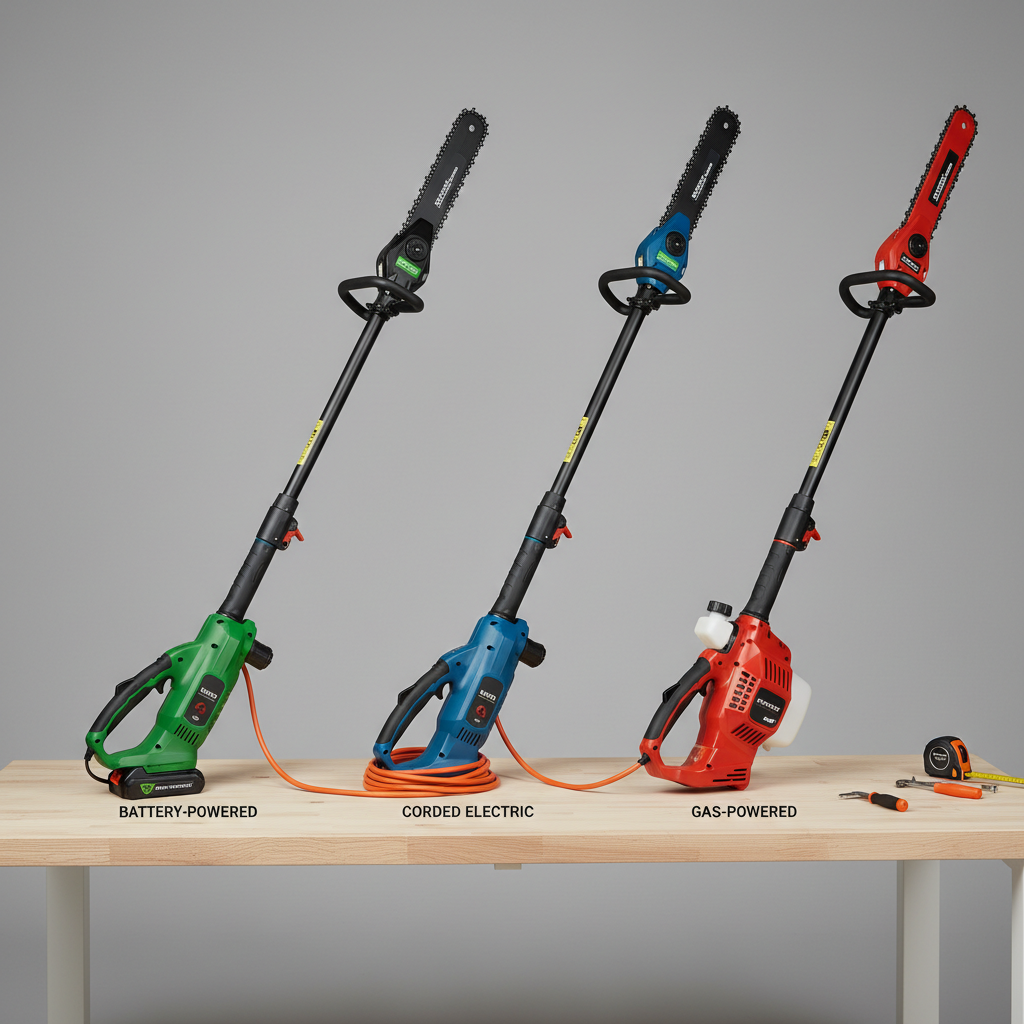
1) Power source: battery, corded, or gas
- Battery pole saws: usually the easiest for homeowners. Less noise, no cord drag, quicker start. Look at battery platform compatibility and realistic runtime for your yard.
- Corded electric: strong value if you prune near the house and don’t mind managing an extension cord. Great for predictable power, but cords can snag.
- Gas: often strongest for frequent use, thicker limbs, and longer sessions. Downsides: heavier, louder, more maintenance, and fumes.
2) Weight and balance (more important than you expect)
A couple extra pounds feels minor in a product listing and huge above your shoulders. If you’re on the fence, lean lighter. Many users get better results from a lighter tool they can hold steady, even if it cuts slightly slower.
3) Bar length and chain speed
For most high-branch pruning, an 8–10 inch bar is the sweet spot. Longer bars can help on bigger limbs, but they also add head weight and invite binding if you’re cutting at awkward angles.
4) Telescoping vs fixed extension poles
- Telescoping: faster adjustments, convenient for mixed heights in one session.
- Fixed sections: often more rigid, sometimes better for control at max length.
5) Head angle and cutting visibility
An adjustable head can reduce the “guessing game” when the branch sits above your line of sight. It’s not a must-have for everyone, but it’s a real quality-of-life feature for overhead pruning.
Quick comparison table (what to pick based on your yard)
Use this as a practical sorting hat. You can still break the rules, but most buyers land here for good reasons.
| Situation | Best match | Why it works | Watch out for |
|---|---|---|---|
| Light pruning, 1–2 weekends/year | Battery pole saw | Easy start, low maintenance, good control | Runtime limits, battery cost |
| Regular trimming near the house | Corded electric pole saw | Consistent power, usually good value | Extension cord management |
| Thicker limbs, larger properties | Gas pole saw | Higher sustained power, long sessions | Weight, maintenance, noise |
| Many different heights in one tree | Telescoping pole saw | Fast length changes, less setup | Flex at max extension |
Self-check: are you buying for height, or for control?
Before you pick a model, answer these honestly. People who get frustrated with pole saws usually overbuy for height and underbuy for control.
- Can you identify the highest branch you actually need to cut, not just the tallest tree in the yard?
- Will you be pruning on a slope, over landscaping, or near a fence where stance gets awkward?
- Do you need to make many small cuts (fatigue matters more) or a few bigger cuts (power matters more)?
- Do you already own a battery platform, so the tool-only purchase makes sense?
- Are you comfortable managing chain tension and sharpening, or do you want a simpler setup?
If most answers point to “awkward stance” and “many cuts,” you’ll usually be happier with a lighter battery or corded tool, even if a gas unit looks more powerful on paper.
How to use a pole saw on high branches without fighting it
Even the best pole saw for high branches can feel sketchy if you approach cuts like a regular chainsaw. Overhead pruning needs a slower, more deliberate workflow.
Step-by-step approach that avoids binding
- Clear your drop zone: plan where the limb will fall, move anything you care about.
- Set your stance first: stable feet, slight bend in knees, tool held close to your body.
- Use light pressure: let chain speed do the work, pushing often increases pinch and kickback risk.
- For larger limbs: consider a small undercut first to reduce bark tearing, then finish from the top.
- Cut in sections: long limbs can swing and tear; taking them down in smaller pieces is usually safer.
Chain, oil, and tension basics (the stuff that ruins a Saturday)
Keep bar-and-chain oil topped up and confirm the chain has proper tension before you start. If the chain looks dry or starts throwing fine dust instead of chips, stop and check lubrication and sharpness.
According to OSHA, contact with energized power lines is a serious hazard during tree work, so keep generous clearance and, if there’s any doubt, contact your utility or a qualified professional rather than trying to “work around” lines.
Common mistakes buyers make (and how to avoid them)
Most disappointment comes from mismatched expectations, not “bad products.” Here are the mistakes that show up again and again.
- Buying max length, ignoring weight: a longer pole that wobbles can be harder to use than a shorter, rigid tool.
- Choosing gas for occasional pruning: many homeowners underestimate maintenance and overestimate how often they’ll use it.
- Ignoring parts support: chains, bars, batteries, and oil caps are consumables. Check availability before you commit.
- Expecting it to replace a ladder: some angles and tight canopies still require different tools or a pro.
- Cutting too close to the trunk: proper pruning cuts matter for tree health; when unsure, ask an arborist.
When you should skip DIY and call a pro
There’s a point where “buy a better pole saw” stops being the solution. If branches are large, load-bearing, close to structures, or near power lines, bringing in an arborist often costs less than a single mistake.
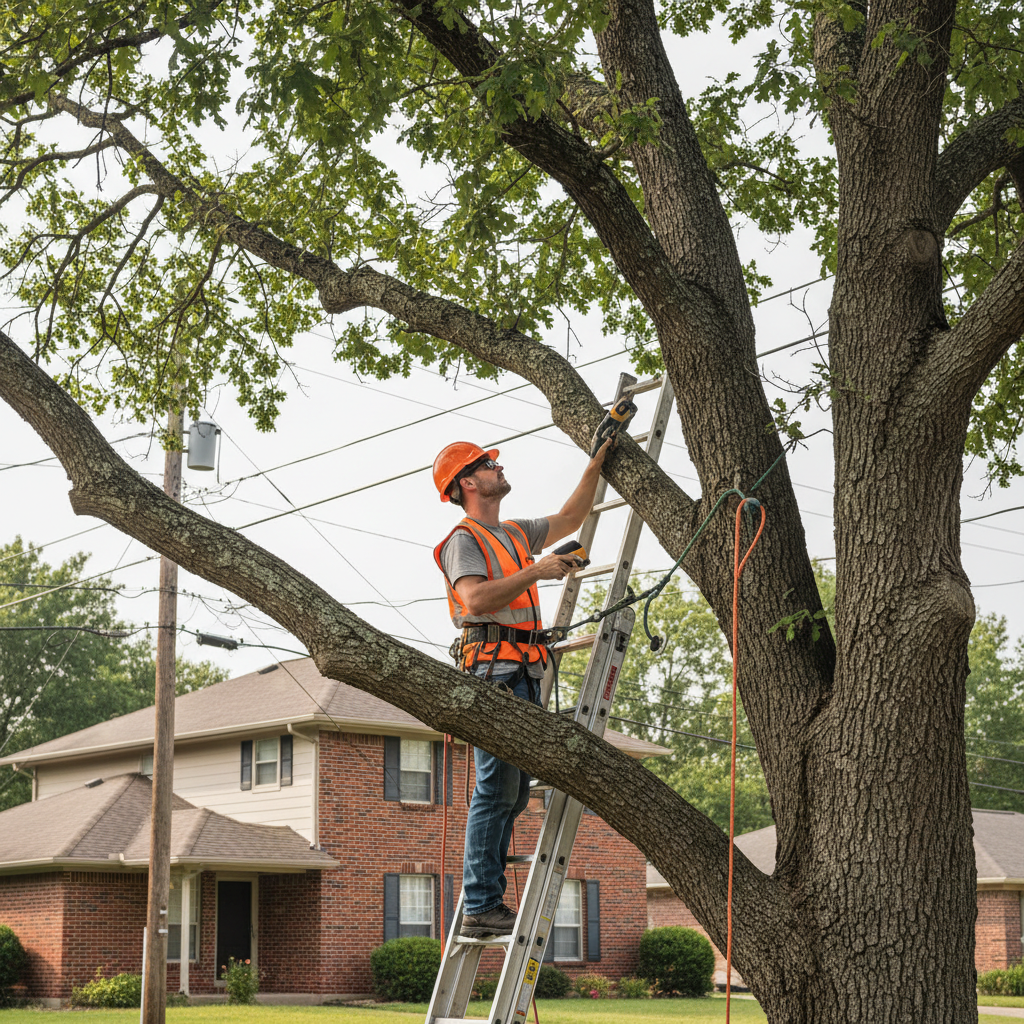
According to the International Society of Arboriculture (ISA), proper pruning practices help maintain tree health and reduce hazards, and complex jobs are often safer in trained hands. If you’re unsure about limb weight, decay, or where the branch will go, it’s reasonable to get a quote before you cut.
- Branches hanging over roofs, cars, play areas
- Any contact risk with electrical lines
- Large deadwood that could drop unpredictably
- Work that forces you to stand on a ladder while cutting
Conclusion: a smart way to choose for 2026
If you’re shopping in 2026, your best bet is to pick for control first, then reach, then power. For many U.S. homeowners, a solid battery pole saw in a common battery ecosystem ends up being the most pleasant “grab-and-go” option, while corded models remain a practical value play for smaller yards.
Key takeaways: measure your real cut height, favor lighter weight for repeated overhead cuts, and don’t treat max extension as the default working position. If your situation crosses into power-line proximity or heavy limbs, pause and talk to a qualified arborist.
If you want one next step, walk your yard with a tape measure and mark your highest must-cut branches, then choose a tool that reaches them comfortably without fully extended, that single habit prevents most regret purchases.
FAQ
- What is the best pole saw for high branches for most homeowners?
In many cases, a battery-powered model offers the best mix of reach, manageable weight, and low maintenance, especially if you already own compatible batteries. - How high can a pole saw safely cut?
It varies by tool length, your height, and branch angle. Many people find their safe, controllable cut height is lower than the advertised “reach,” so test your stance and comfort before committing. - Is a longer pole always better for tall trees?
Not always. Longer poles can flex and feel top-heavy, which makes accurate cuts harder and increases fatigue. A slightly shorter, stiffer pole can be more effective. - Battery vs gas pole saw for high branches: which is better?
Battery is often better for lighter, frequent pruning and convenience; gas can make sense for heavier work and longer sessions. The “better” choice depends on how often you prune and how thick the limbs are. - What bar length should I choose for overhead pruning?
For typical yard pruning, 8–10 inches is usually plenty. Longer bars help on bigger limbs but can be harder to control above shoulder height. - Do I need an angled head on a pole saw?
If you often cut branches that sit above your eyeline or you work inside dense canopies, an adjustable head can improve visibility and reduce awkward wrist angles. For simple, straight-out reaches, it’s less critical. - Can I use a pole saw near power lines?
It’s risky. Keep generous clearance and consider calling your utility or a qualified professional if branches are anywhere near lines, because a small slip can create a serious hazard.
If you’re trying to pick the best pole saw for high branches without spending weeks comparing specs, it can help to shortlist by your real cut height, then narrow by weight and battery platform so the tool fits how you’ll actually use it, not how you hope you’ll use it.